MSI Gaming GL75 10SDK-285AU Leopard RAM upgrade specifications
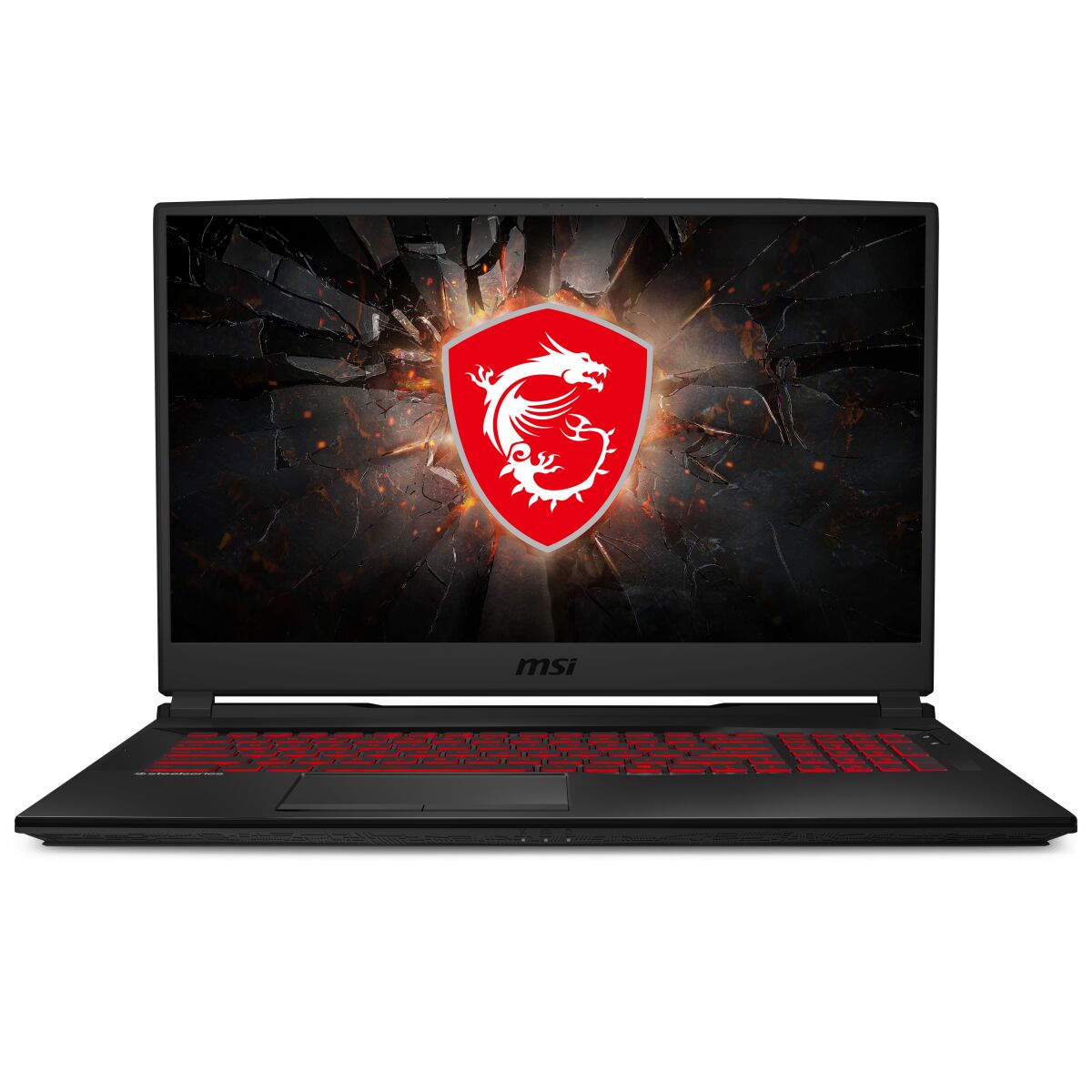


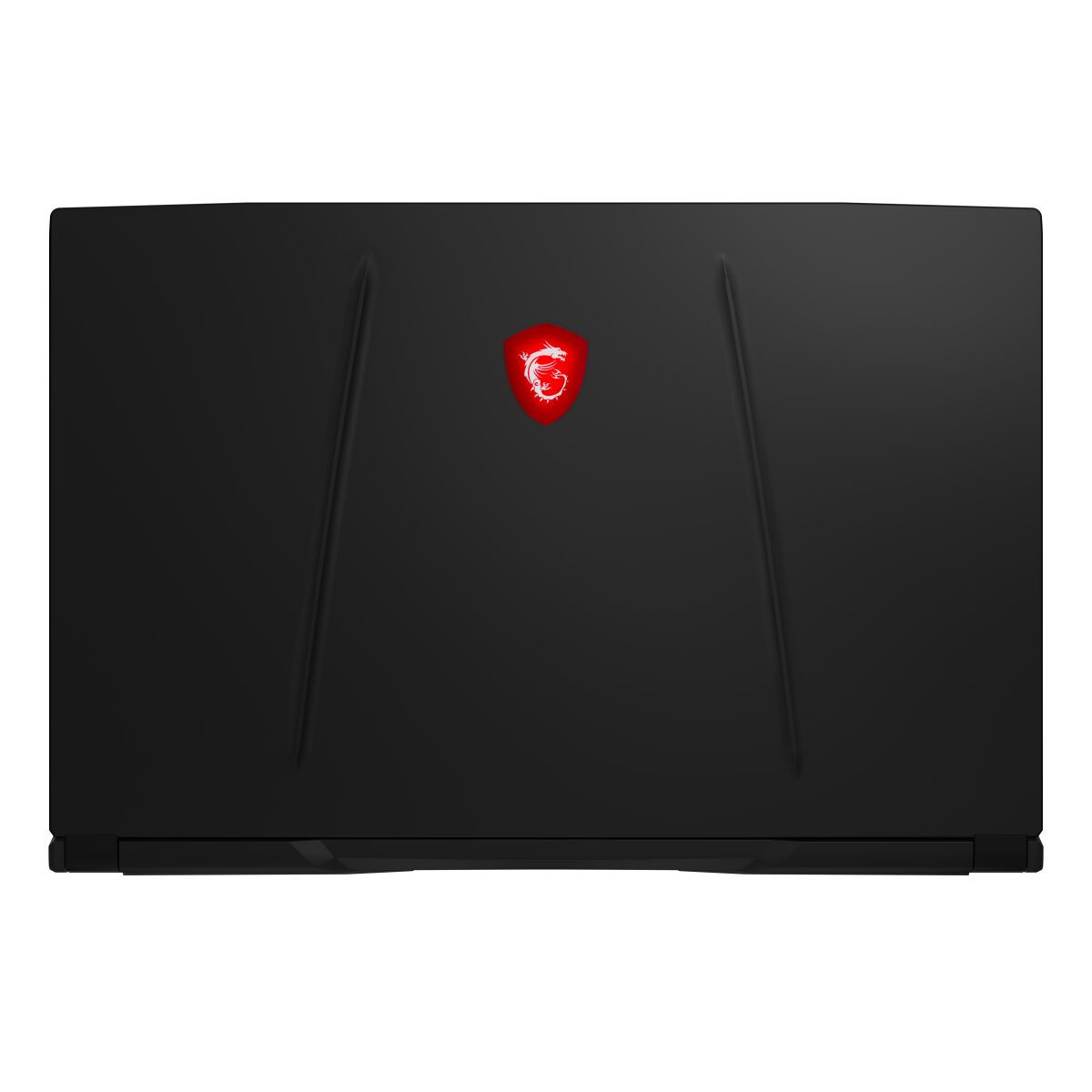
The MSI GL75 10SDK-285AU Leopard gaming laptop features two SO-DIMM memory slots supporting DDR4-SDRAM upgrade specifications. Compatible memory modules operate at 2666 MHz frequency with maximum RAM capacity of 64 GB total. The GL series gaming model accommodates standard SO-DIMM form factor memory upgrades, enabling users to expand system RAM from factory-configured specifications up to the 64 GB maximum supported capacity.
Memory Upgrade Specifications
| Specification | Value |
|---|---|
| Memory slots | 2x SO-DIMM |
| Form factor | SO-DIMM |
| Memory type | DDR4-SDRAM |
| Frequency | 2666 MHz |
| Maximum RAM | 64 GB |
| Voltage | 1.2V |
| Number of pins | 260-pin |
| Interface | PC4 |
| PC Speed Rating | PC4-2666 (PC4-21328) |
| Bandwidth | 21.3 GB/s |
| Laptop Release date | 25 November 2020 |
Additional Notes
- The MSI GL75 10SDK-285AU Leopard supports dual-channel memory architecture through its 2 SO-DIMM slots, enabling up to double the theoretical bandwidth compared to single-channel configurations when matched modules are installed.
- DDR4-2666 operates at a CAS latency typically between CL15 and CL19, creating a latency window of approximately 11 to 14 nanoseconds depending on module specifications.
- The 64 GB maximum capacity requires 32 GB modules in both slots, which may limit availability to specific manufacturers compared to more common 16 GB or 8 GB densities.
- SO-DIMM modules physically measure 67.6 mm in length compared to standard DIMM's 133.35 mm, making desktop memory incompatible regardless of electrical specifications.
- Installing mismatched module capacities will still enable dual-channel operation on the lower capacity amount, with the excess operating in single-channel mode and reducing overall memory bandwidth efficiency.
- DDR4-2666 modules rated at higher speeds such as 3200 MHz will downclock to the chipset's 2666 MHz maximum, making premium-priced high-frequency modules economically inefficient for this system.
- The Intel 10th generation platform underlying this model does not support DDR4-2933 or DDR4-3200 speeds in mobile configurations, establishing 2666 MHz as the architectural ceiling.
- Voltage specifications for DDR4 SO-DIMM modules standardize at 1.2V, though some XMP-enabled modules may default to 1.35V and require BIOS adjustments to ensure stability.
- Mixing modules from different manufacturers or production batches increases the probability of timing incompatibilities, potentially forcing the memory controller to further reduce speeds or loosen timings.
- Access to SO-DIMM slots typically requires bottom panel removal on this chassis design, which may void warranty seals depending on regional service policies.
- ECC SO-DIMM modules, while physically compatible, remain unsupported by consumer-grade mobile chipsets and will either fail to POST or operate with error correction disabled.
- Single-rank versus dual-rank module architecture affects interleaving efficiency, with dual-rank configurations sometimes providing 5 to 10 percent performance improvements in memory-intensive applications despite identical clock speeds.