MSI Gaming GL75 10SDR-069CN Leopard RAM upgrade specifications



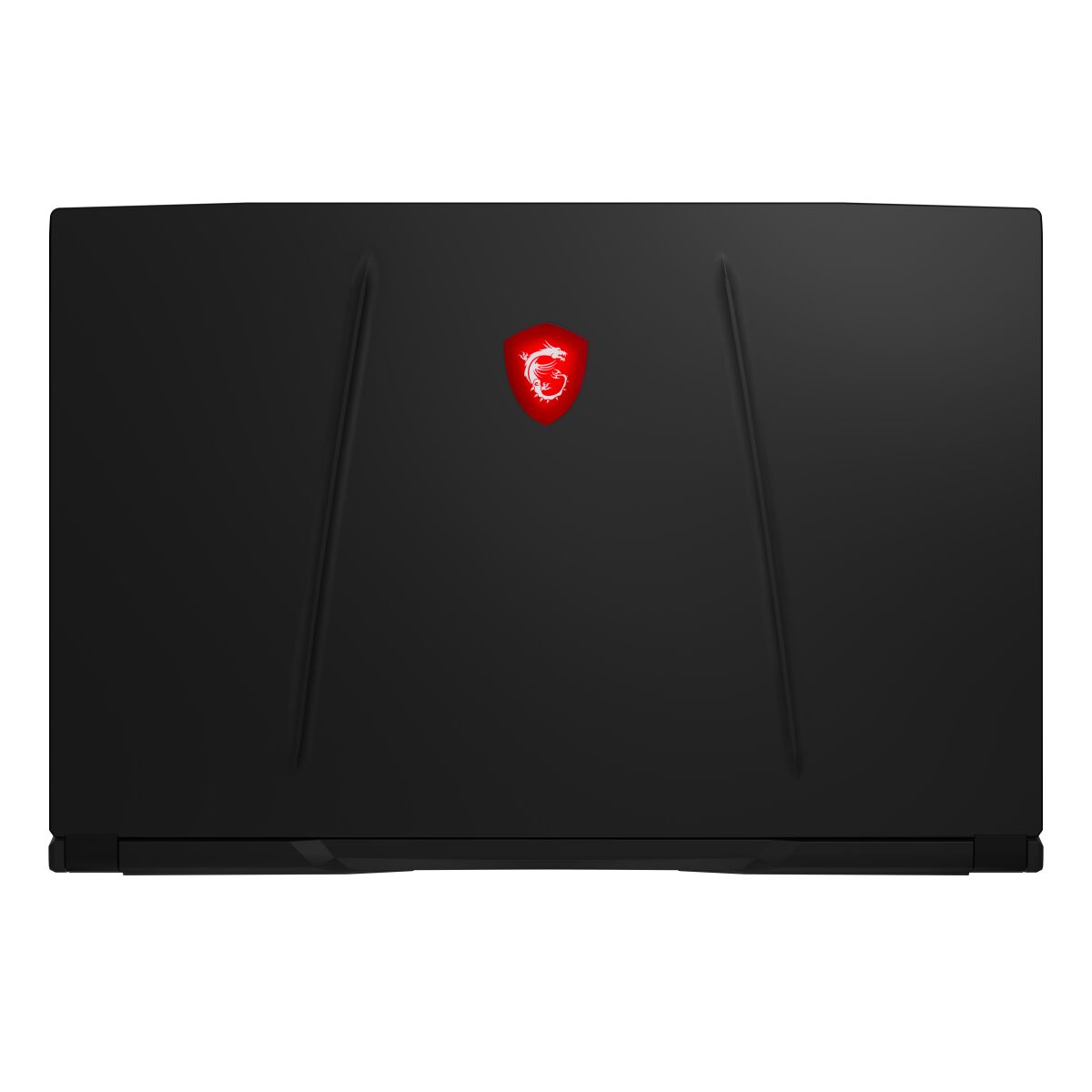
The MSI GL75 10SDR-069CN Leopard gaming laptop features DDR4-SDRAM memory configuration with two SO-DIMM slots for upgrade capability. Maximum compatible RAM capacity reaches 64 GB total, supporting DDR4 memory modules operating at 2666 MHz frequency. The laptop's memory upgrade specifications allow users to expand from the stock configuration by installing additional compatible SO-DIMM form factor RAM modules into the available slots. This gaming-series model supports DDR4 memory technology standard for performance and multitasking enhancement.
Memory Upgrade Specifications
| Specification | Value |
|---|---|
| Memory slots | 2x SO-DIMM |
| Form factor | SO-DIMM |
| Memory type | DDR4-SDRAM |
| Frequency | 2666 MHz |
| Maximum RAM | 64 GB |
| Voltage | 1.2V |
| Number of pins | 260-pin |
| Interface | PC4 |
| PC Speed Rating | PC4-2666 (PC4-21328) |
| Bandwidth | 21.3 GB/s |
| Laptop Release date | 10 June 2020 |
Additional Notes
- The dual-channel architecture requires 2 identical modules to achieve peak memory bandwidth and prevent single-channel performance bottlenecks during high-load gaming scenarios.
- Installing memory with clock speeds exceeding 2666 MHz results in automatic downclocking to match the native controller speed supported by the MSI GL75 10SDR-069CN Leopard motherboard.
- Upgrading to the 64 GB limit involves replacing both factory modules because the internal layout lacks additional unoccupied slots for expansion.
- The SO-DIMM form factor necessitates 260-pin modules designed for a 1.2V power draw to maintain thermal efficiency within the chassis.
- Latency disparities occur if mixing modules with different CAS timing profiles, potentially leading to system instability or boot failures.
- Physical access to both slots requires the removal of the entire bottom base cover, which may involve penetrating a factory seal sticker depending on regional warranty policies.
- Density constraints dictate that 32 GB sticks must be utilized in each slot to reach the maximum supported capacity of the memory controller.