MSI Gaming GL75 10SDR-480FR Leopard RAM upgrade specifications
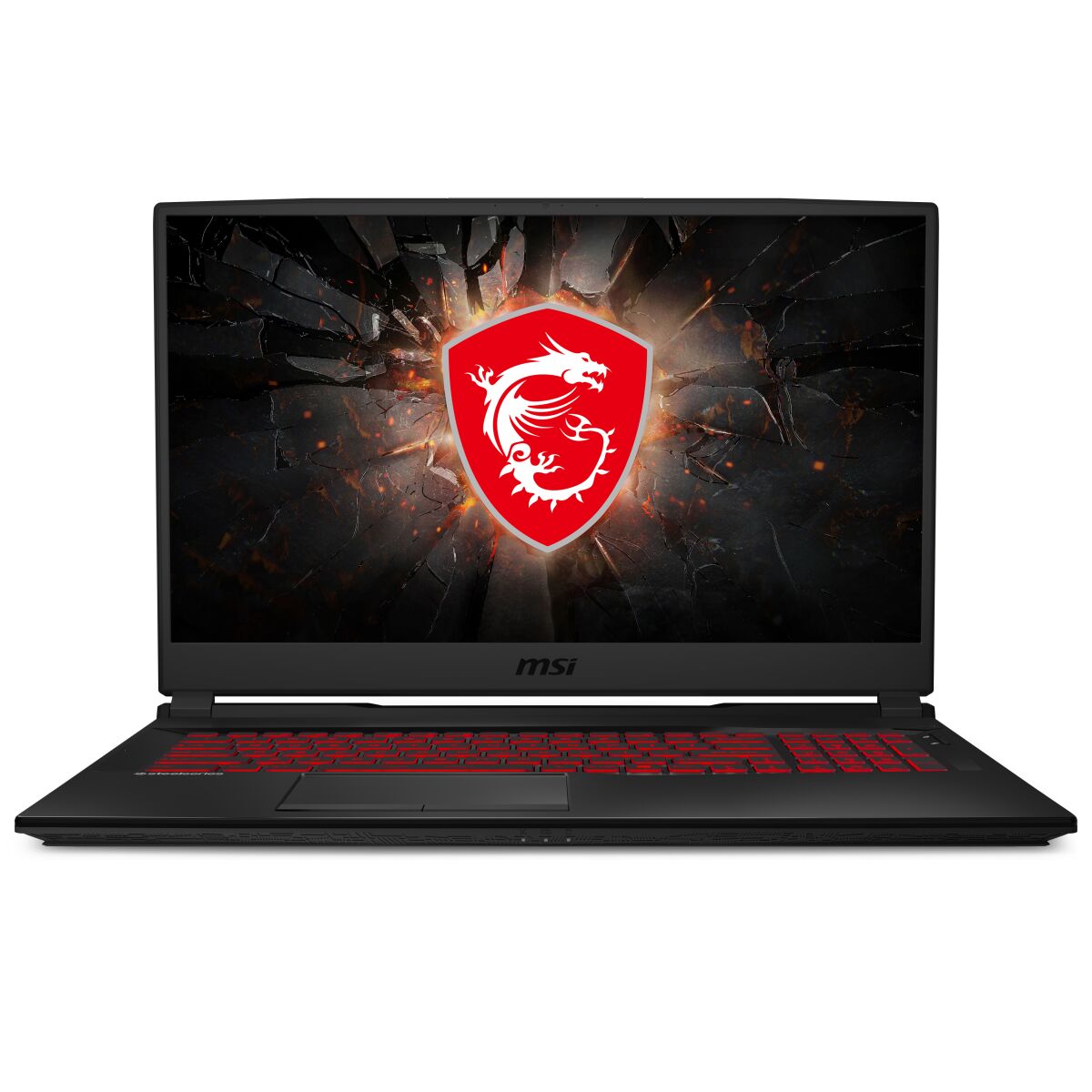
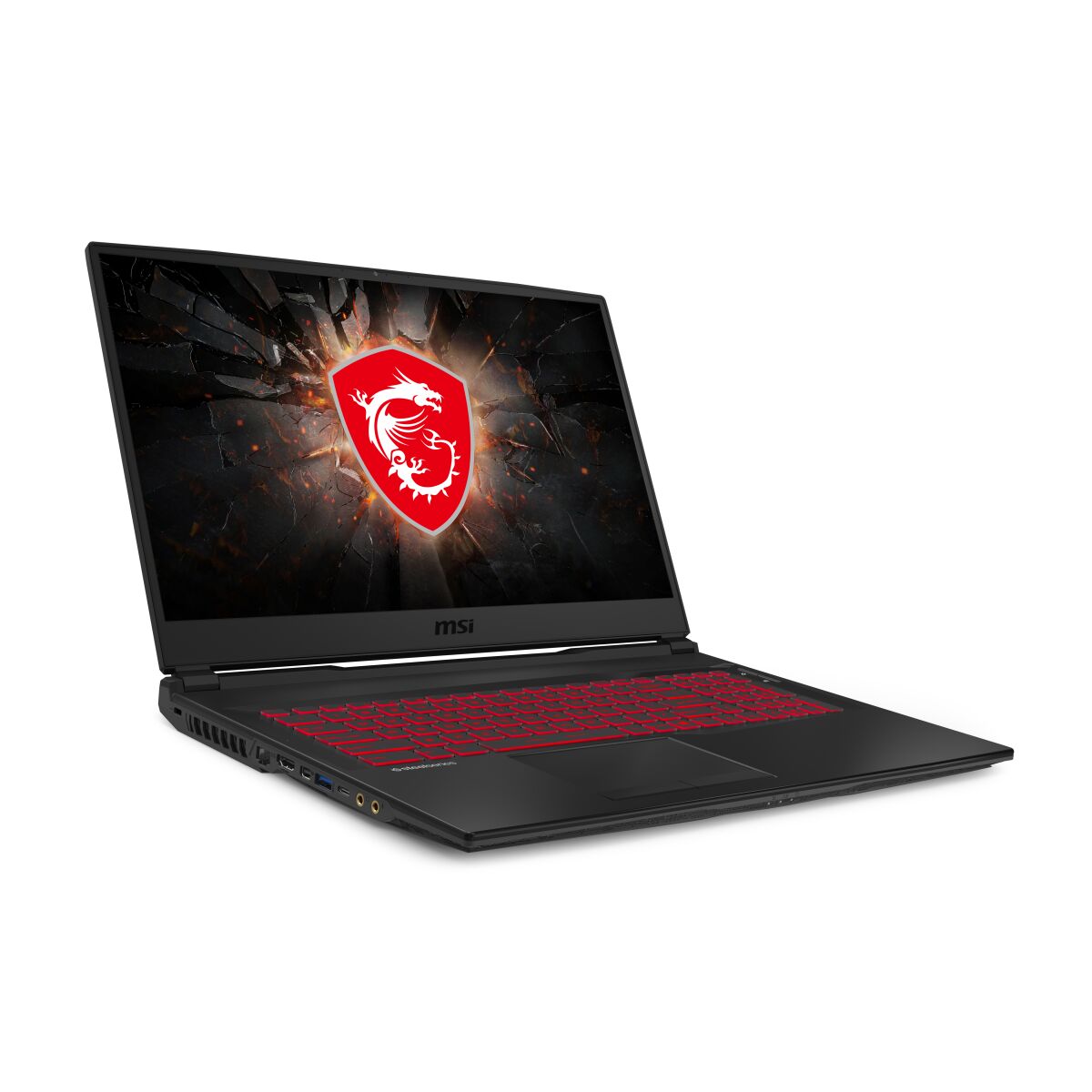
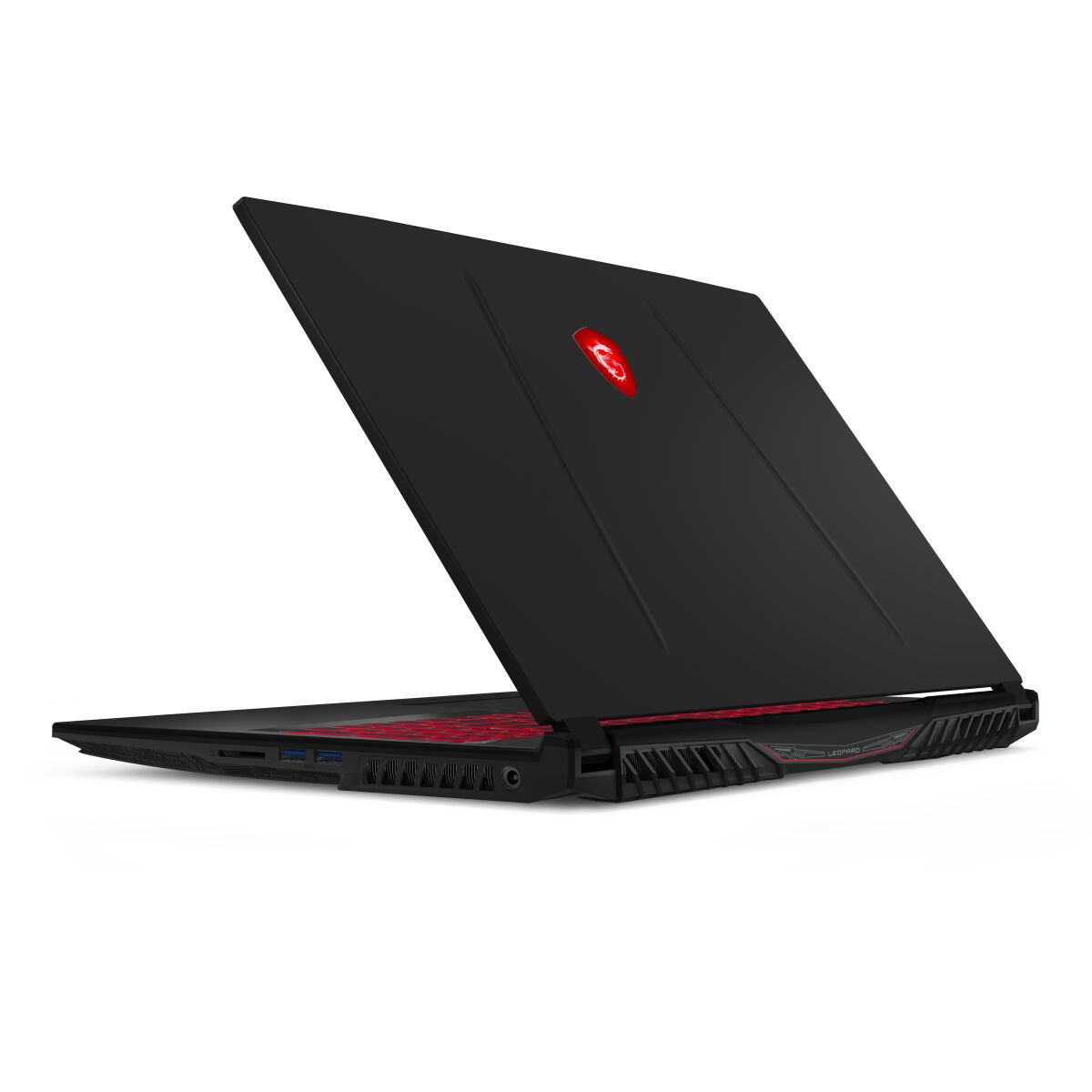
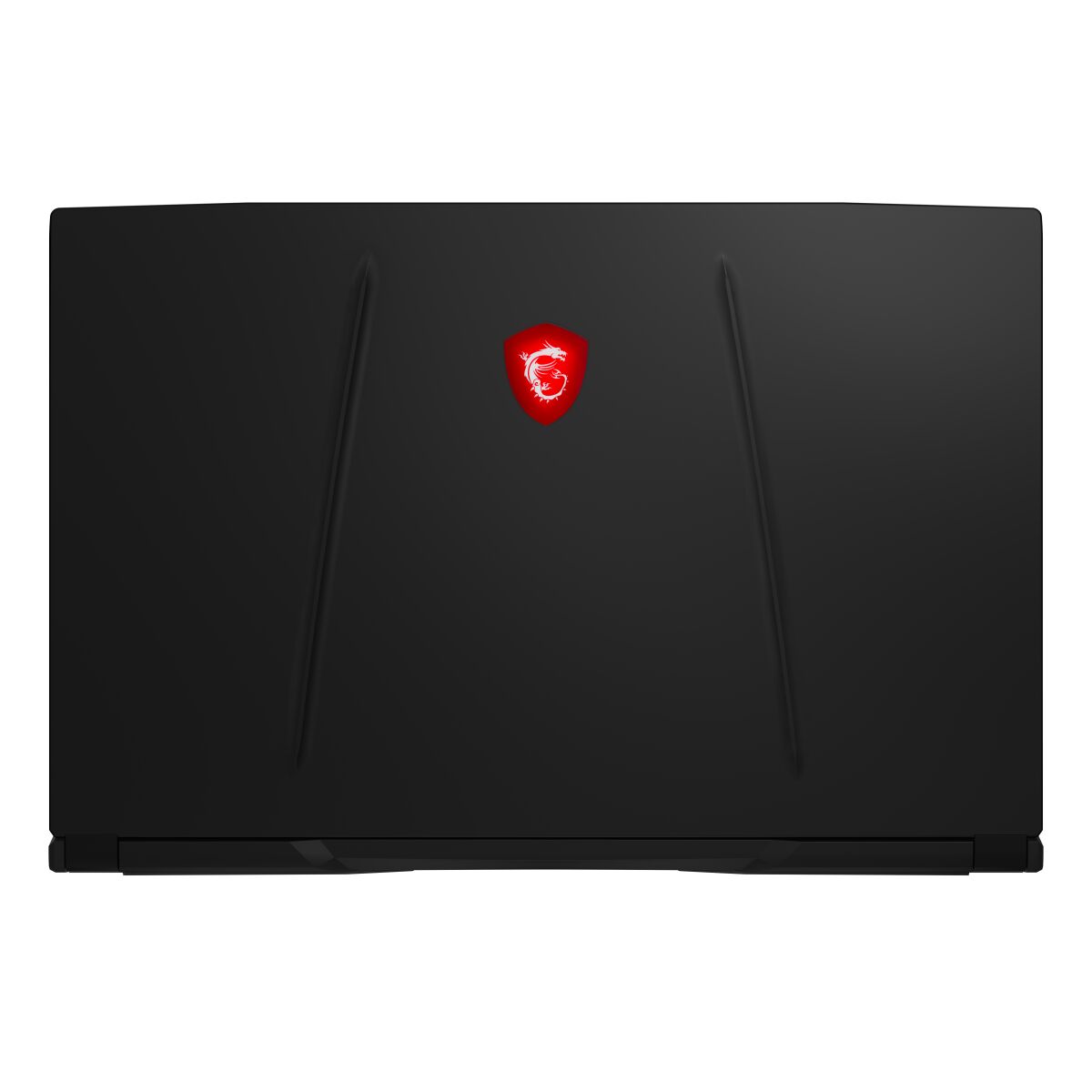
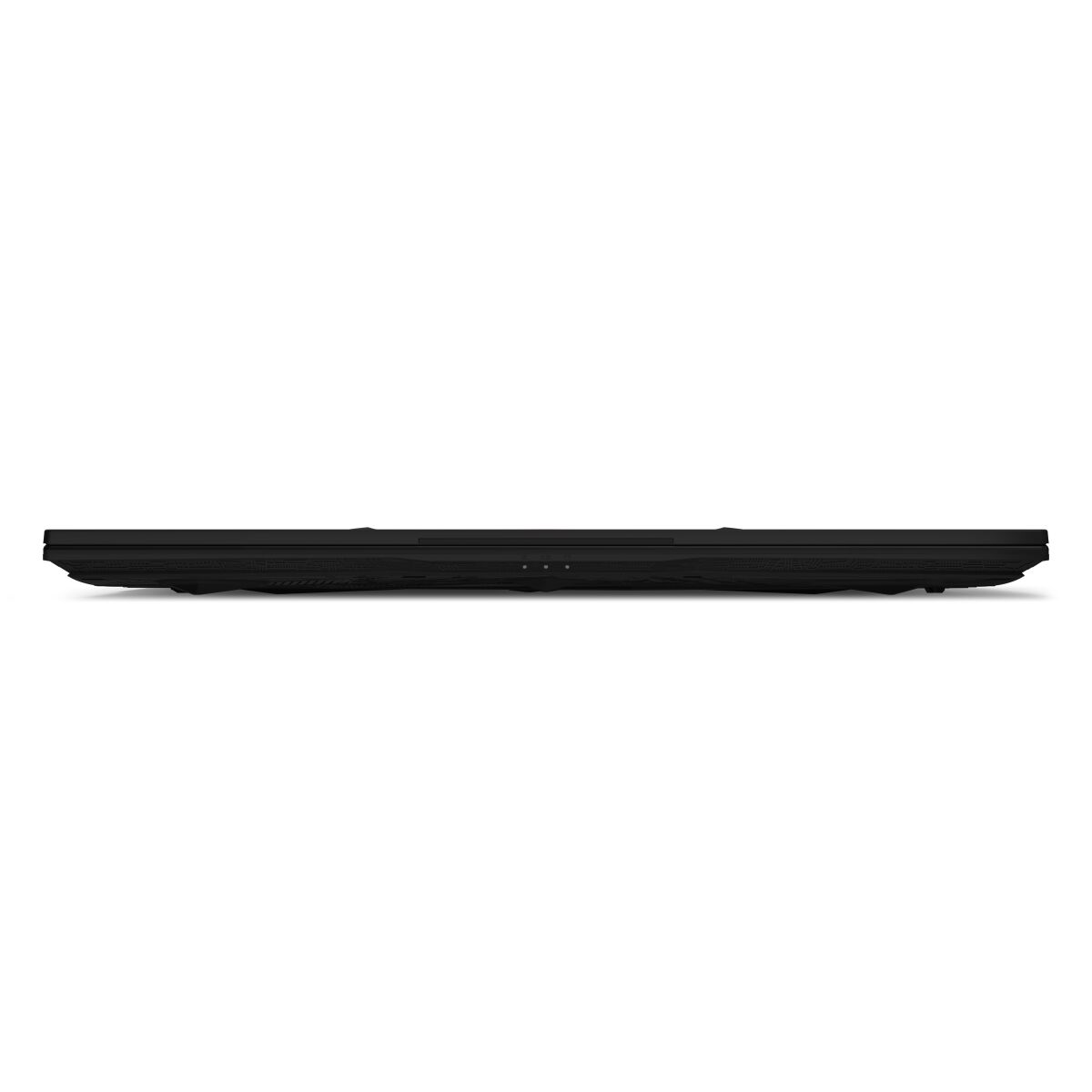
The MSI GL75 10SDR-480FR Leopard gaming series laptop features DDR4-SDRAM memory upgrade capabilities with two SO-DIMM slots supporting maximum capacity of 64 GB. Compatible RAM specifications include 3200 MHz frequency operation. The Gaming GL series model accommodates SO-DIMM form factor memory modules for upgrade installations, enabling enhanced multitasking and performance optimization through expanded memory capacity beyond factory-installed configurations.
Memory Upgrade Specifications
| Specification | Value |
|---|---|
| Memory slots | 2x SO-DIMM |
| Form factor | SO-DIMM |
| Memory type | DDR4-SDRAM |
| Frequency | 3200 MHz |
| Maximum RAM | 64 GB |
| Voltage | 1.2V |
| Number of pins | 260-pin |
| Interface | PC4 |
| PC Speed Rating | PC4-3200 (PC4-25600) |
| Bandwidth | 25.6 GB/s |
| Laptop Release date | 09 April 2021 |
Additional Notes
- The dual channel architecture implies that installing identical modules in both slots is necessary to maximize memory bandwidth and avoid performance bottlenecks in CPU intensive gaming tasks.
- The MSI GL75 10SDR-480FR Leopard utilizes a standard SO-DIMM form factor which dictates that high profile heat spreaders may interfere with the bottom chassis cover or internal heat pipes.
- Compatibility with 64 GB of total memory requires the use of high density 32 GB modules in each slot because the motherboard does not support more than 2 physical banks.
- Operating at the maximum supported frequency of 3200 MHz relies on the processor memory controller capabilities and may require the module to support specific JEDEC profiles to achieve rated speeds without manual BIOS adjustments.
- Physical access to the memory slots involves removing the entire bottom panel which usually requires penetrating a factory seal sticker potentially impacting warranty status in specific regional jurisdictions.
- The technical limit of 64 GB provides a significant thermal overhead considerations because high capacity modules generate more localized heat within the cramped internal layout compared to lower density configurations.