MSI Gaming GL75 10SEK-276ES Leopard RAM upgrade specifications
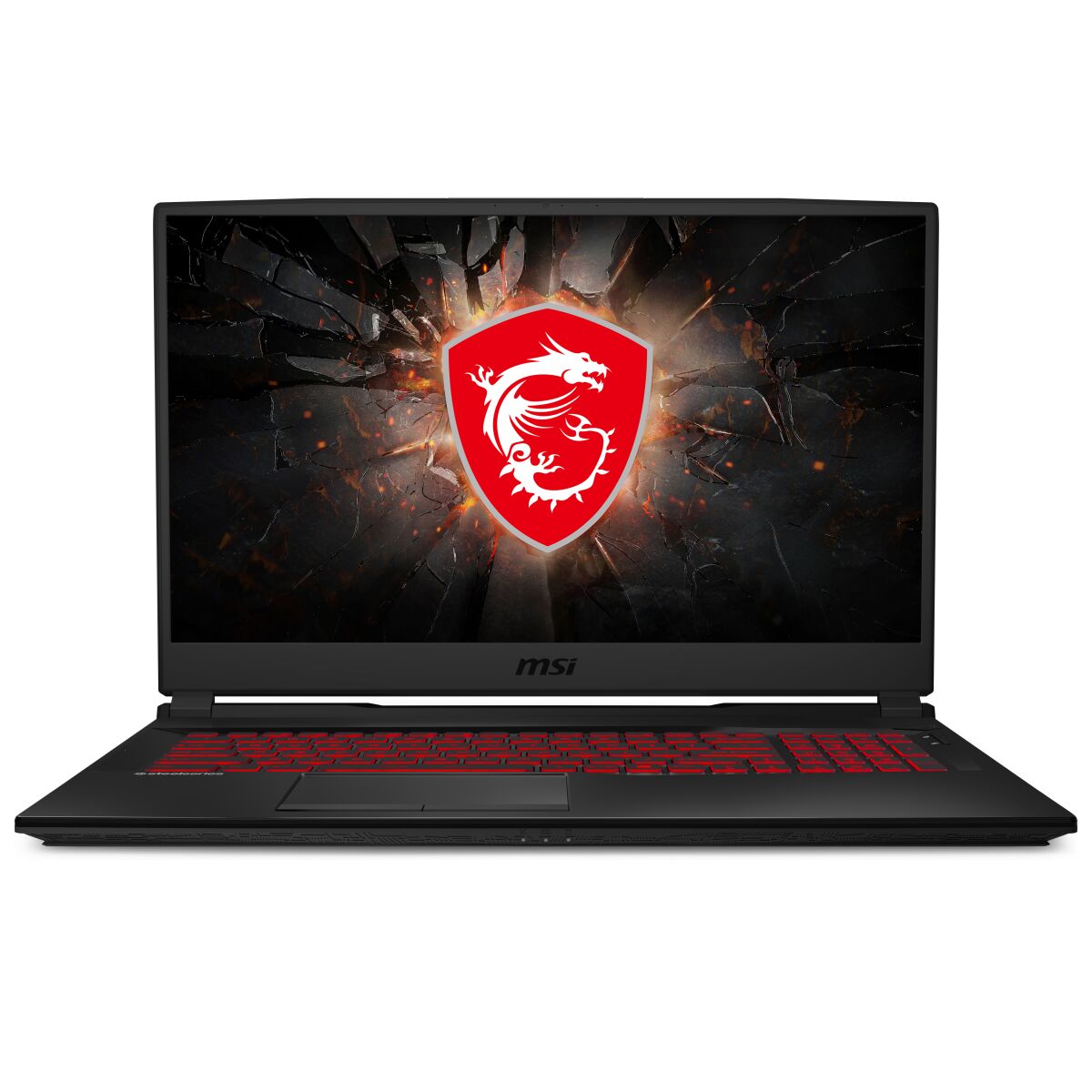


MSI GL75 10SEK-276ES Leopard gaming laptop features DDR4-SDRAM memory upgrade capabilities. The system includes 2x SO-DIMM slots supporting maximum RAM capacity of 64 GB. Compatible memory modules operate at 2666 MHz frequency with SO-DIMM form factor. Upgrade specifications enable users to expand memory capacity by replacing or adding DDR4-SDRAM modules to existing slots, optimizing system performance for gaming and multitasking applications.
Memory Upgrade Specifications
| Specification | Value |
|---|---|
| Memory slots | 2x SO-DIMM |
| Form factor | SO-DIMM |
| Memory type | DDR4-SDRAM |
| Frequency | 2666 MHz |
| Maximum RAM | 64 GB |
| Voltage | 1.2V |
| Number of pins | 260-pin |
| Interface | PC4 |
| PC Speed Rating | PC4-2666 (PC4-21328) |
| Bandwidth | 21.3 GB/s |
| Laptop Release date | 01 July 2020 |
Additional Notes
- The MSI GL75 10SEK-276ES Leopard uses 2 SO-DIMM slots that are electrically and physically incompatible with desktop DDR4 UDIMM modules, requiring laptop-specific memory variants for any upgrade path.
- Stock memory operates at 2666 MHz, which represents a generation-older DDR4 speed tier; newer DDR4-3200 modules remain backward-compatible but will throttle to native 2666 MHz speeds unless BIOS supports overclocking to match higher rated frequencies.
- Dual-slot architecture with 64 GB maximum capacity means the system cannot exceed this ceiling regardless of future module density improvements; matched pairs of 32 GB modules would be required to reach the upper limit.
- SO-DIMM memory cannot be salvaged for use in desktop systems or external enclosures without mechanical and electrical adapters that introduce compatibility risks and are unsupported by manufacturers.
- Warranty coverage for memory upgrades typically remains valid when using modules meeting original specifications; exceeding 2666 MHz frequency without documented BIOS support may void manufacturer guarantees for memory-related failures.
- The 2-slot configuration creates a bandwidth limitation where both RAM modules share a single 64-bit memory bus; adding higher-capacity modules does not increase data throughput, only total addressable memory for larger datasets or simultaneous application workloads.