MSI Gaming GL75 10SER-068CN Leopard RAM upgrade specifications



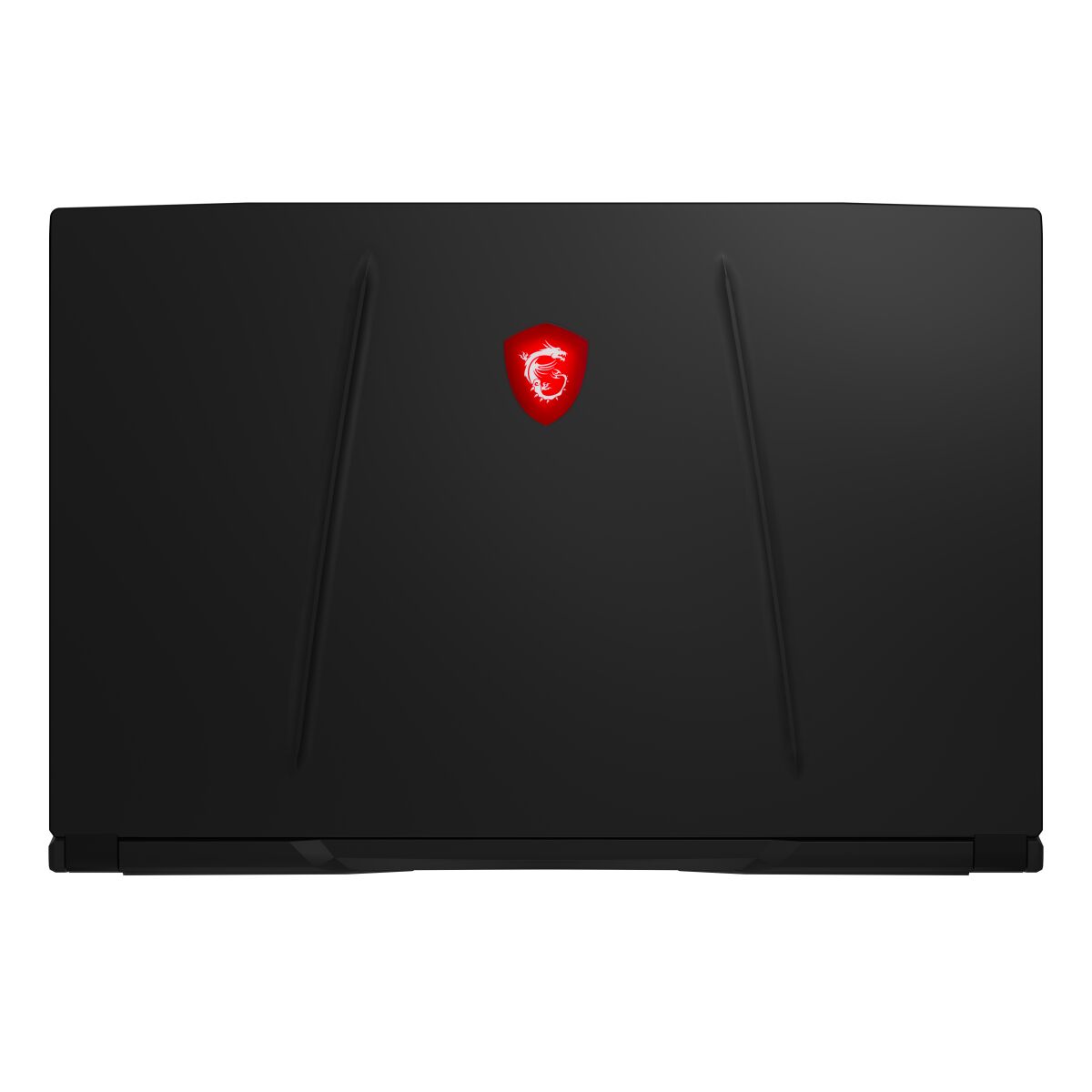
MSI GL75 10SER-068CN Leopard gaming laptop supports DDR4-SDRAM memory upgrade through 2x SO-DIMM slots. Maximum RAM capacity reaches 64 GB total. Memory operates at 2666 MHz frequency. Upgrade specifications indicate compatible DDR4 modules in SO-DIMM form factor for this MSI GL series gaming model. Current memory slots allow installation of higher-capacity modules to maximize system RAM performance.
Memory Upgrade Specifications
| Specification | Value |
|---|---|
| Memory slots | 2x SO-DIMM |
| Form factor | SO-DIMM |
| Memory type | DDR4-SDRAM |
| Frequency | 2666 MHz |
| Maximum RAM | 64 GB |
| Voltage | 1.2V |
| Number of pins | 260-pin |
| Interface | PC4 |
| PC Speed Rating | PC4-2666 (PC4-21328) |
| Bandwidth | 21.3 GB/s |
| Laptop Release date | 10 June 2020 |
Additional Notes
- The dual channel architecture of the MSI GL75 10SER-068CN Leopard requires symmetrical module pairing to maximize memory bus bandwidth and avoid single channel throughput bottlenecks.
- Physical access to the motherboard for RAM replacement necessitates the removal of the entire lower chassis shield, which might involve piercing a factory seal sticker depending on regional service policies.
- Installing modules with XMP profiles or speeds exceeding 2666 MHz results in automatic downclocking to match the hardwired timing constraints of the 10th Gen Intel chipset.
- The conversion of the system to a 64 GB configuration requires the removal of all existing factory modules since all physical slots are occupied to reach that capacity.
- Latency disparities occur if mismatched CAS latency modules are installed together, forcing the system to default to the slowest common denominator among the populated slots.
- Storage of high capacity 32 GB modules in each slot increases localized thermal output within the SODIMM area during intensive computational tasks.
- The absence of soldered memory on the board ensures that the entirety of the system RAM remains field replaceable in the event of a module hardware failure.