MSI Gaming GL75 10SER-075CA Leopard RAM upgrade specifications
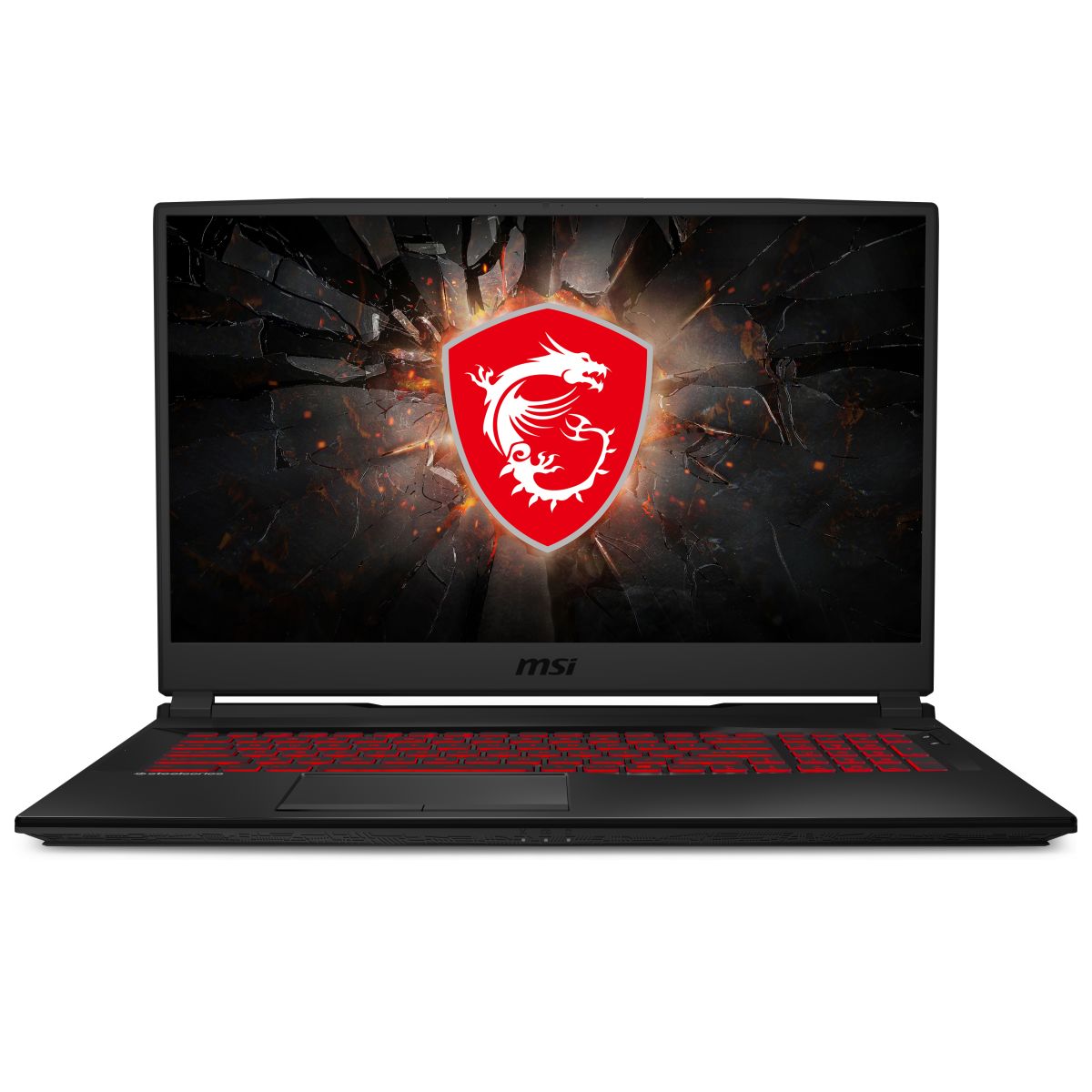
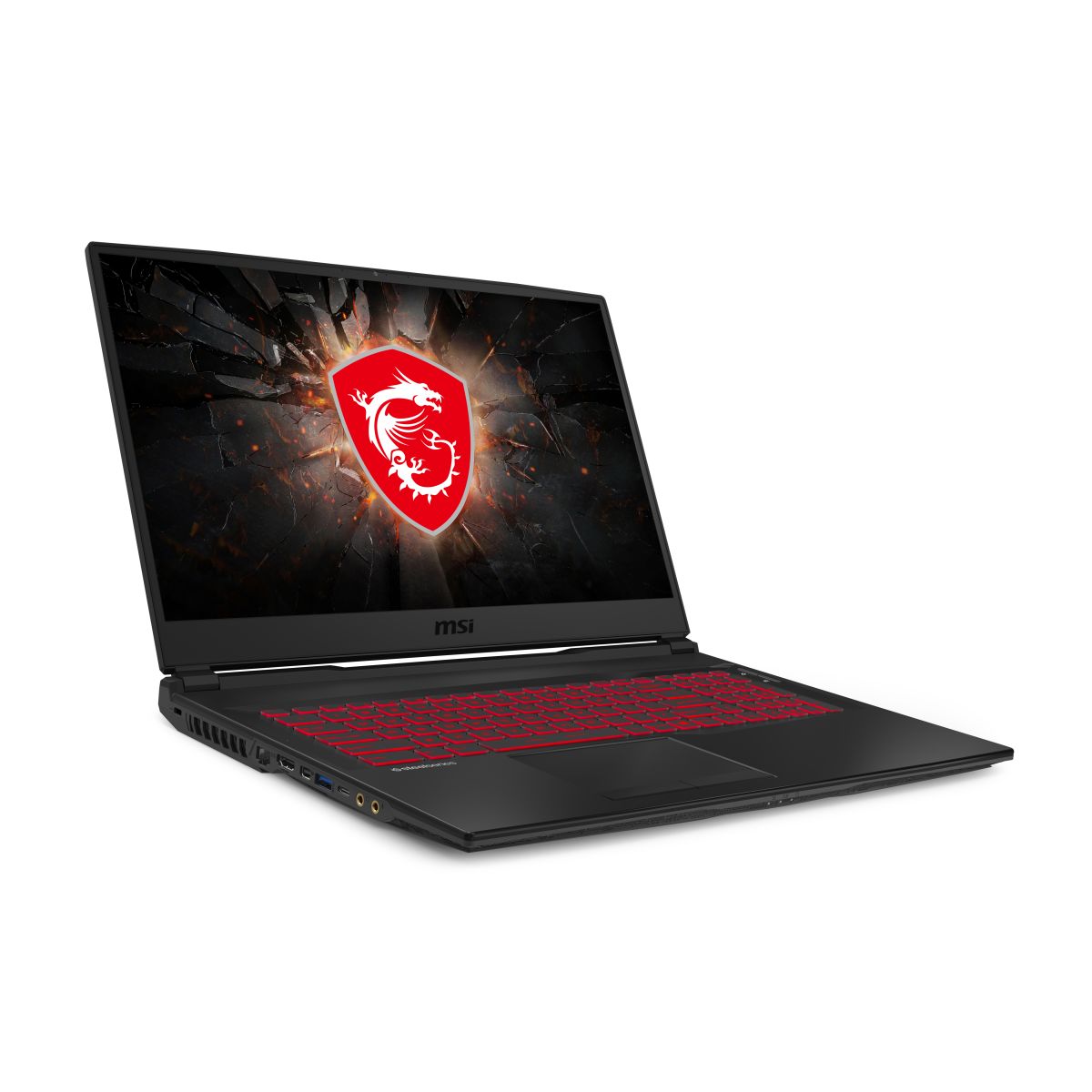
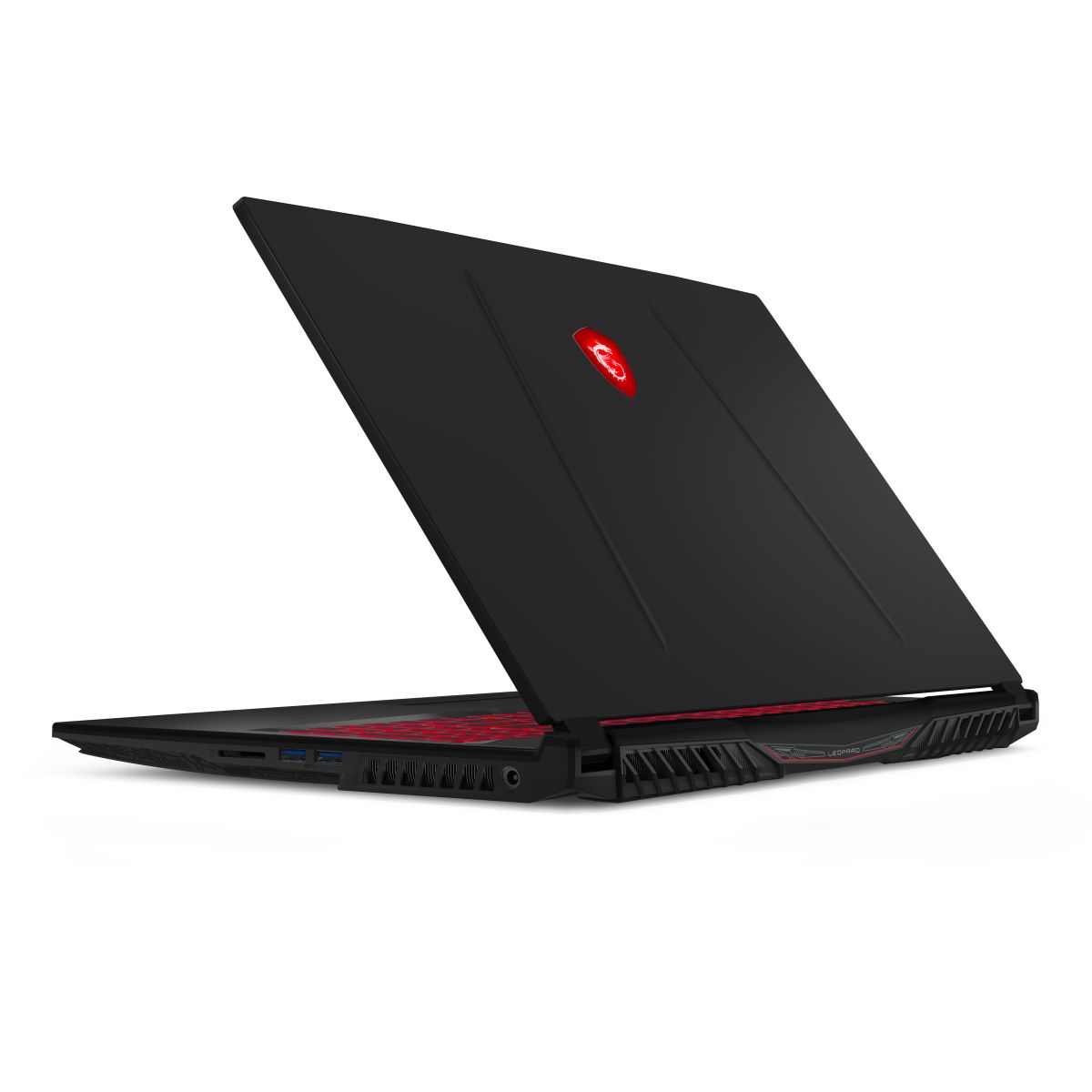
MSI GL75 10SER-075CA Leopard gaming laptop memory upgrade specifications include two SO-DIMM slots supporting DDR4-SDRAM memory modules. The system accommodates a maximum RAM capacity of 64 GB total, with compatible memory operating at 2666 MHz frequency. Upgrade options allow installation of higher-capacity DDR4 modules within the two available slots to enhance system performance and multitasking capabilities.
Memory Upgrade Specifications
| Specification | Value |
|---|---|
| Memory slots | 2x SO-DIMM |
| Form factor | SO-DIMM |
| Memory type | DDR4-SDRAM |
| Frequency | 2666 MHz |
| Maximum RAM | 64 GB |
| Voltage | 1.2V |
| Number of pins | 260-pin |
| Interface | PC4 |
| PC Speed Rating | PC4-2666 (PC4-21328) |
| Bandwidth | 21.3 GB/s |
| Laptop Release date | 07 May 2020 |
Additional Notes
- The MSI GL75 10SER-075CA Leopard supports DDR4-3200 modules despite factory configuration at 2666 MHz, enabling bandwidth gains of approximately 20% through compatible higher-frequency SO-DIMM upgrades without BIOS modification risk.
- Single-channel operation occurs if only 1 slot receives a module, reducing effective memory bandwidth by 50% compared to dual-channel configuration and degrading gaming frame rates and content creation performance.
- The 2x SO-DIMM architecture requires simultaneous population of both slots to achieve rated bandwidth performance; asymmetrical pairing (mismatched capacities or speeds) forces operation at the lower specification, creating inefficiency.
- Maximum addressable capacity of 64 GB represents a practical ceiling; installation of 2x32 GB modules is the only warranty-safe path to this limit, as single 48 GB or 36 GB modules do not exist in SO-DIMM form factor.
- DDR4-2666 factory specification indicates the system qualifies for PC4-21300 modules as baseline, though PC4-25600 (DDR4-3200) compatibility extends practical upgrade options without voiding coverage.
- SO-DIMM physical constraints restrict upgrade options to laptop-specific memory; desktop DDR4 UDIMM modules are mechanially incompatible and cannot be forcibly adapted.
- Thermal design within a gaming chassis may constrain sustained performance of aggressive overclocked memory profiles; stock 2666 MHz operation reflects thermal and power delivery limits rather than architectural inability.