MSI Gaming GL75 9SD-219FR RAM upgrade specifications

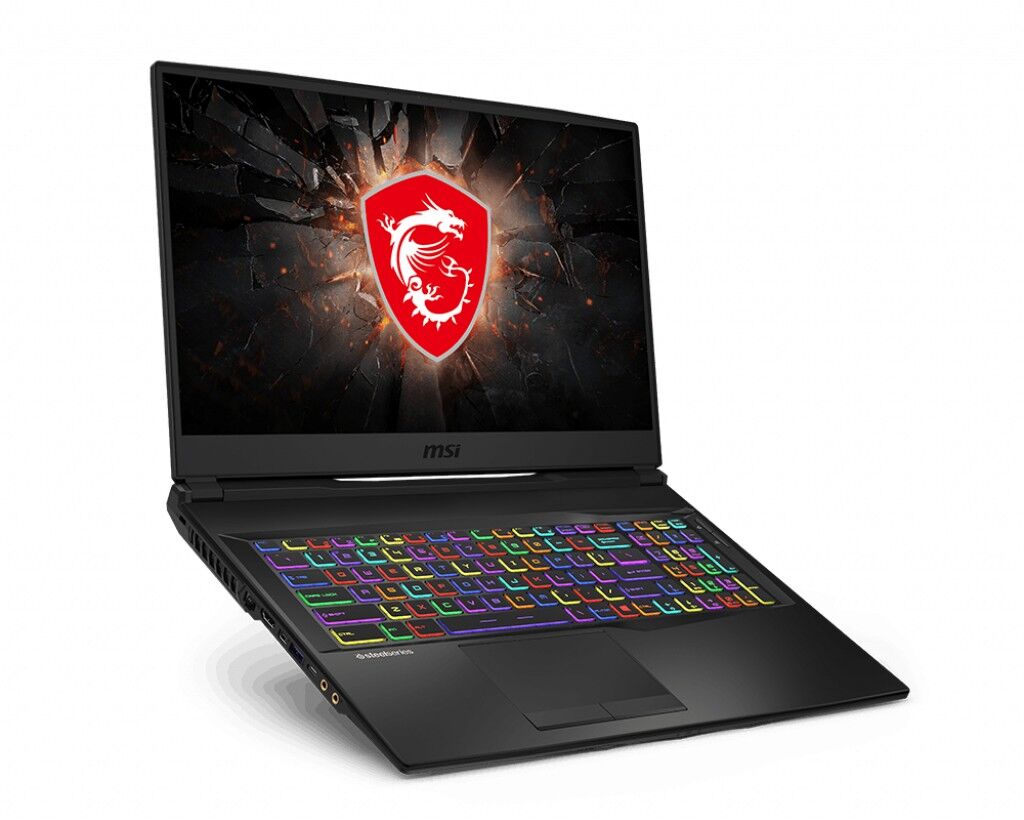
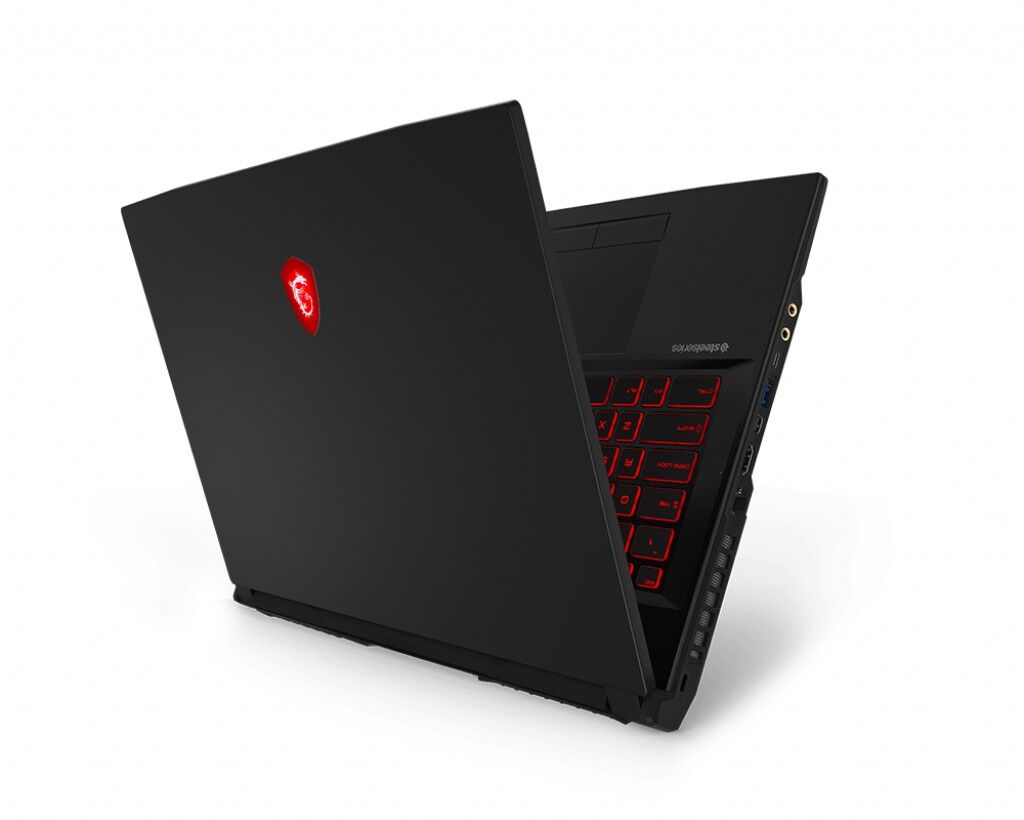
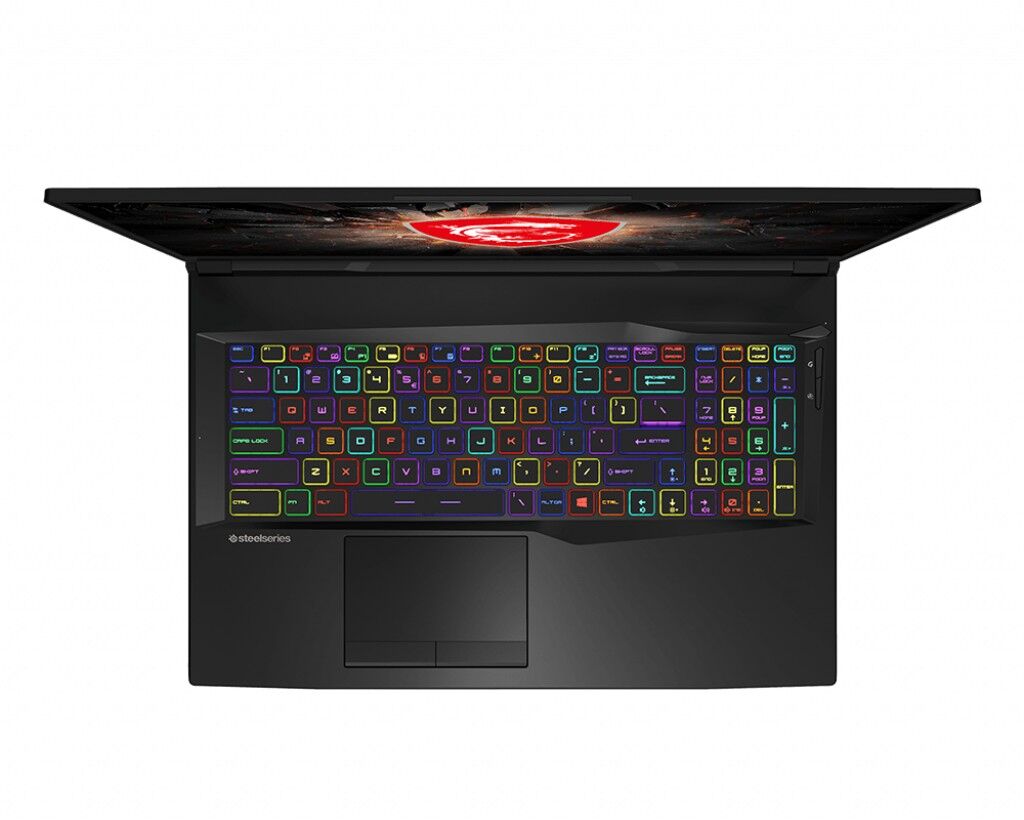
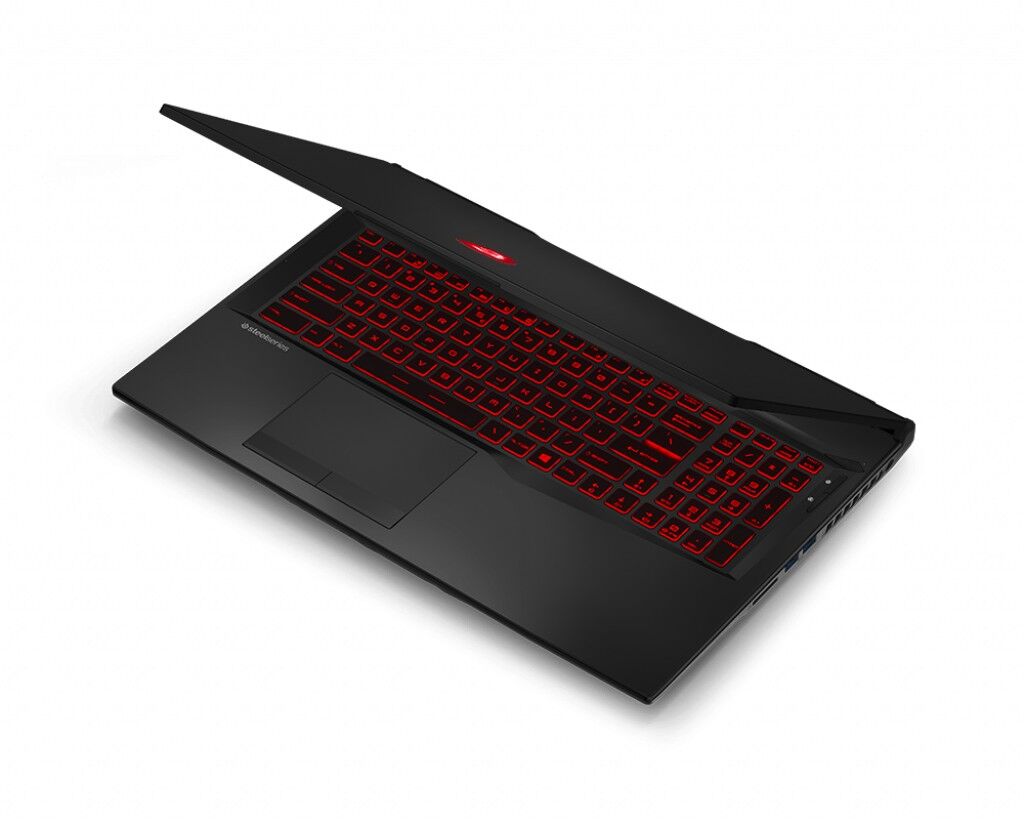
The MSI GL75 9SD-219FR gaming laptop features DDR4-SDRAM memory upgrade specifications with 2x SO-DIMM slots supporting maximum capacity of 64 GB total. Compatible memory modules operate at 2666 MHz frequency using the SO-DIMM form factor. Upgrade slots accommodate standard DDR4 memory configurations for enhanced system performance on the MSI GL series gaming platform.
Memory Upgrade Specifications
| Specification | Value |
|---|---|
| Memory slots | 2x SO-DIMM |
| Form factor | SO-DIMM |
| Memory type | DDR4-SDRAM |
| Frequency | 2666 MHz |
| Maximum RAM | 64 GB |
| Voltage | 1.2V |
| Number of pins | 260-pin |
| Interface | PC4 |
| PC Speed Rating | PC4-2666 (PC4-21328) |
| Bandwidth | 21.3 GB/s |
| Laptop Release date | 15 December 2019 |
Additional Notes
- The MSI GL75 9SD-219FR memory subsystem allocates 32 GB capacity per slot, requiring dual-rank module architecture to reach the 64 GB ceiling with modern SO-DIMM density standards.
- DDR4-2666 operation reflects Intel 9th generation Coffee Lake Refresh memory controller limitations, preventing native support for higher-speed modules rated at 3200 MHz or above without automatic downclocking.
- SO-DIMM physical constraints require clearance verification for module height, particularly when using heat spreader-equipped performance modules that may interfere with keyboard assembly or thermal management components.
- Memory bandwidth peaks at 21.3 GB/s per channel when populated symmetrically, establishing dual-channel configuration as critical for GTX 1660 Ti graphics workloads that rely on system memory for texture streaming.
- Jedec-compliant non-XMP modules ensure plug-and-play compatibility, while enthusiast-grade modules with XMP profiles require BIOS verification to confirm profile activation on mobile platforms.
- Warranty preservation mandates use of the bottom panel access door for installation, avoiding disassembly procedures that disturb factory seals on primary chassis components.
- Mixing module densities across slots remains electrically viable but forces operation at the lowest common frequency and timing parameters, degrading performance below single-density paired configurations.
- Thermal throttling thresholds become relevant above 2400 MHz effective speeds when ambient temperatures exceed 30°C, as increased voltage requirements for higher-frequency operation compound heat dissipation challenges in compact gaming chassis.
- Voltage compatibility centers on 1.2V standard DDR4 specification, with low-voltage 1.35V modules offering negligible thermal benefit while introducing potential stability issues on controllers designed for JEDEC reference voltage.