MSI Gaming GL75 9SDK-057 RAM upgrade specifications


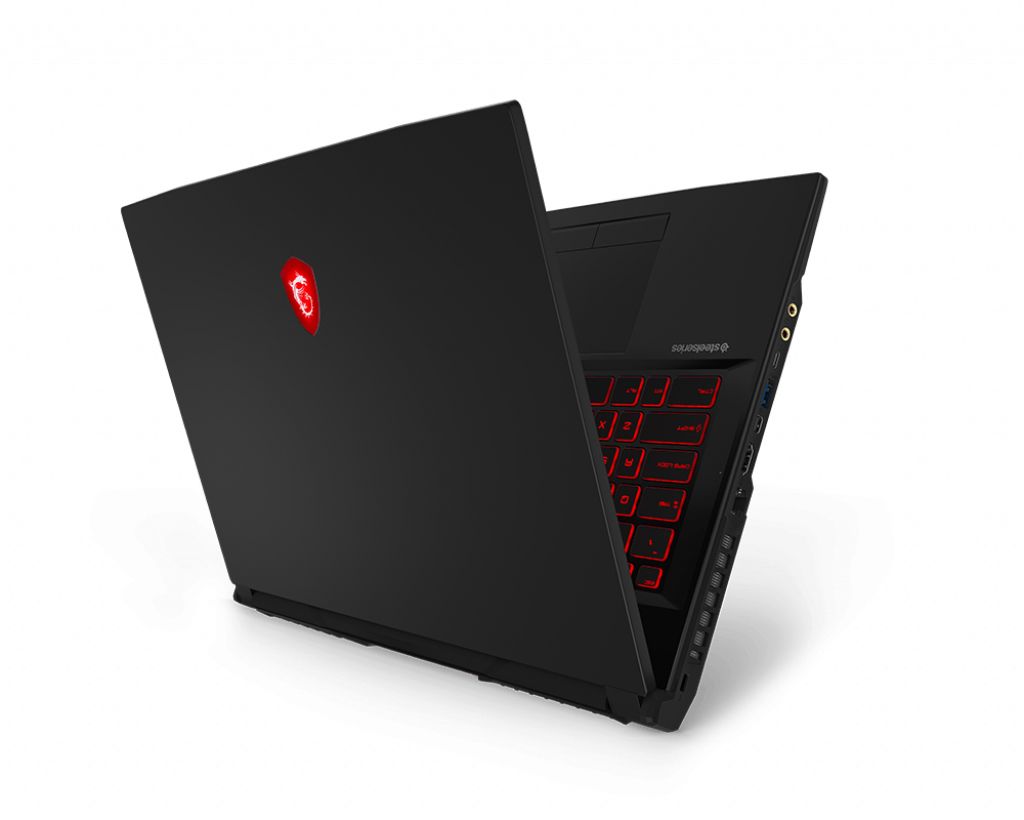


The MSI GL75 9SDK-057 Gaming series laptop features DDR4-SDRAM memory upgrade specifications. The device contains 2x SO-DIMM slots supporting a maximum RAM capacity of 64 GB. Compatible memory modules operate at 2666 MHz frequency and utilize SO-DIMM form factor. Upgrade options allow expansion of the memory configuration to reach the maximum supported capacity. Specifications ensure compatibility with DDR4-SDRAM standards for the GL75 Gaming series platform.
Memory Upgrade Specifications
| Specification | Value |
|---|---|
| Memory slots | 2x SO-DIMM |
| Form factor | SO-DIMM |
| Memory type | DDR4-SDRAM |
| Frequency | 2666 MHz |
| Maximum RAM | 64 GB |
| Voltage | 1.2V |
| Number of pins | 260-pin |
| Interface | PC4 |
| PC Speed Rating | PC4-2666 (PC4-21328) |
| Bandwidth | 21.3 GB/s |
| Laptop Release date | 22 July 2019 |
Additional Notes
- The dual-slot configuration indicates that achieving maximum capacity requires the removal of all pre-installed modules, as no empty expansion slots remain for incremental additions.
- Operating the MSI GL75 9SDK-057 with mismatched module capacities prevents the system from maintaining a synchronous dual-channel memory state, which limits total memory bandwidth.
- Installation of higher frequency modules results in an automatic downclocking to the system bus limit, ensuring stability but negating any performance gains from 3200 MHz or faster hardware.
- The SO-DIMM form factor necessitates the use of unbuffered, non-ECC memory modules, as registered server-grade RAM remains physically and electrically incompatible with the motherboard.
- Upgrading to the 64 GB limit involves significant thermal considerations, as high-density modules generate more heat within the compact internal chassis during sustained workloads.
- Accessing the memory slots requires the removal of the entire base panel, which may involve piercing a factory seal sticker and impacting local warranty terms depending on regional consumer laws.
- The 2666 MHz hardware interface acts as a fixed ceiling for data transfer rates, meaning lower latency timings provide the only path for further memory subsystem optimization.