MSI Gaming GL75 9SDK-096RU RAM upgrade specifications

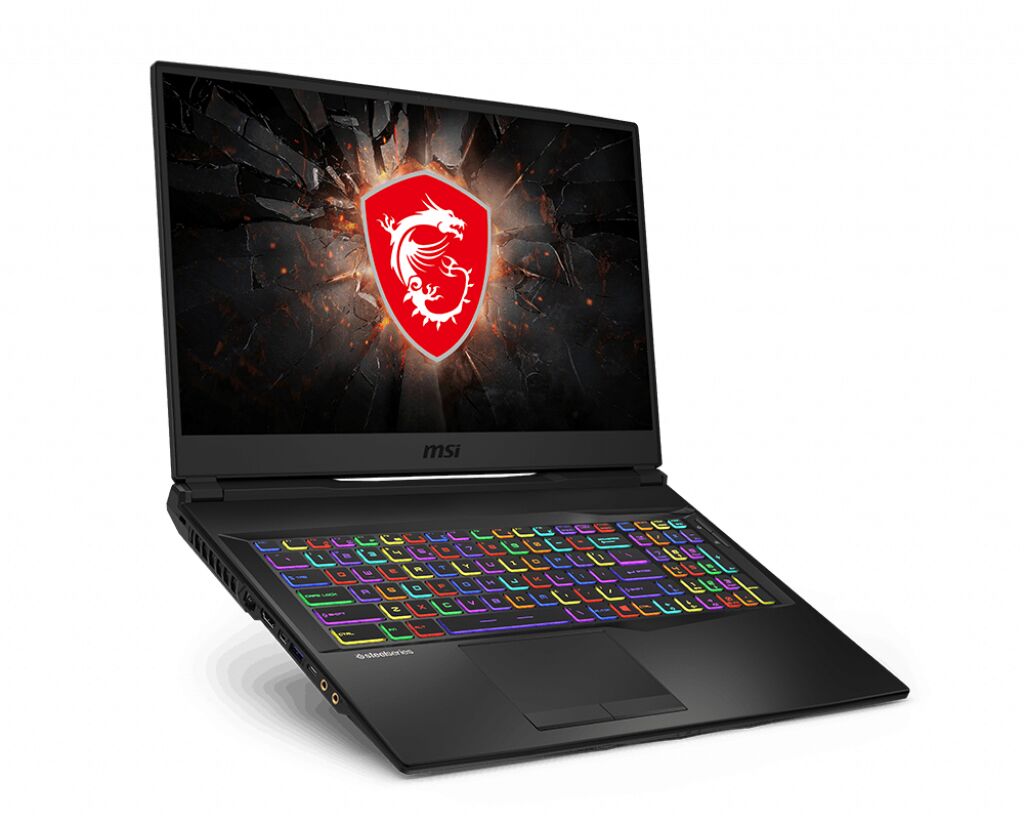
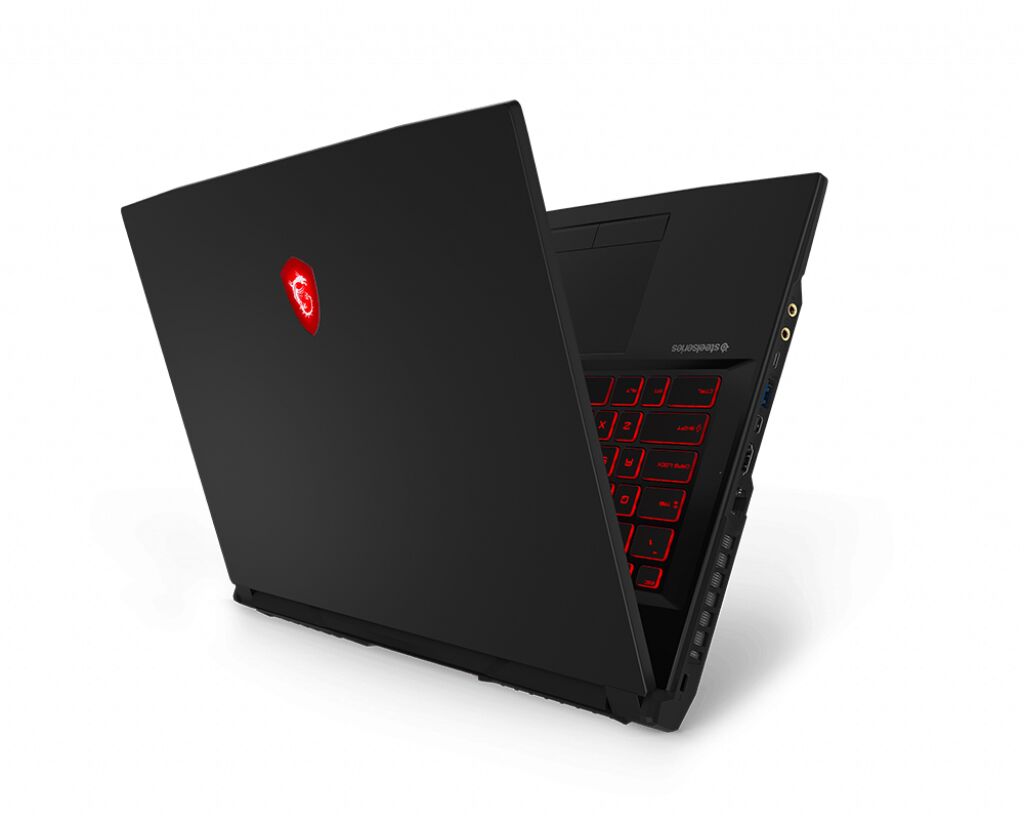
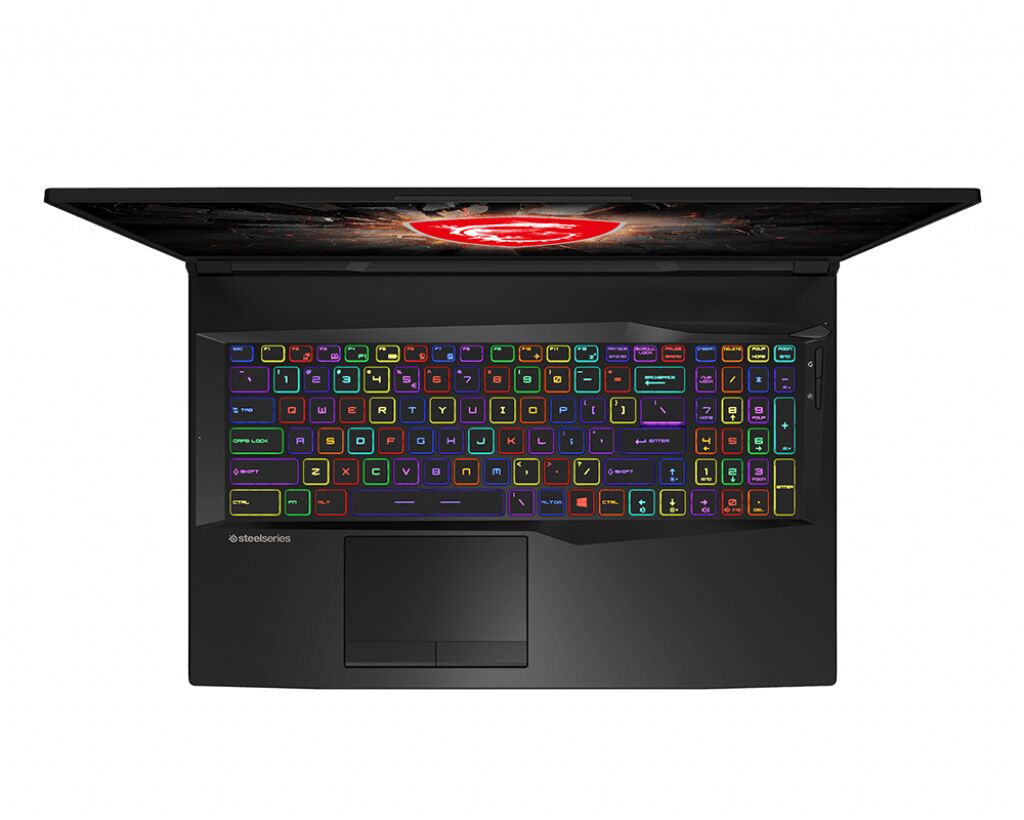
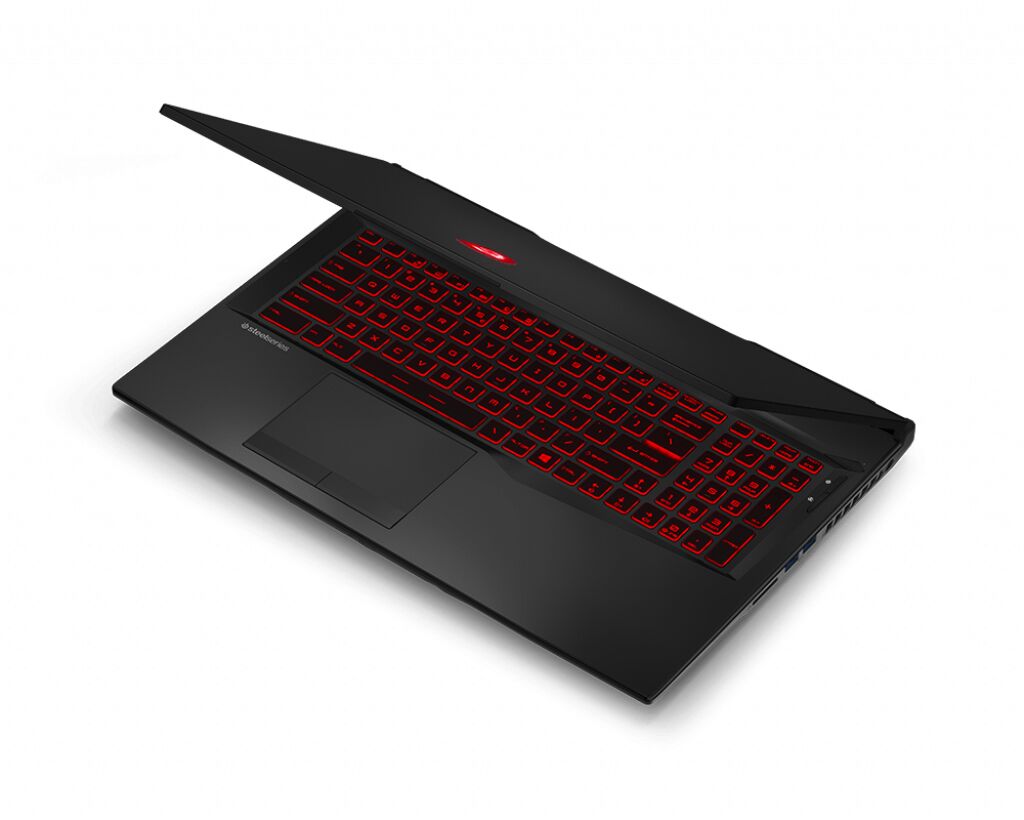
MSI GL75 9SDK-096RU Gaming series laptop supports DDR4-SDRAM memory upgrades via dual SO-DIMM slots. Maximum RAM capacity reaches 64 GB total. Memory operates at 2666 MHz frequency. Specifications indicate compatible upgrade modules utilize SO-DIMM form factor. Each slot accommodates standard DDR4 memory modules. Upgrade configurations support expansion from factory-installed capacity to maximum supported specifications.
Memory Upgrade Specifications
| Specification | Value |
|---|---|
| Memory slots | 2x SO-DIMM |
| Form factor | SO-DIMM |
| Memory type | DDR4-SDRAM |
| Frequency | 2666 MHz |
| Maximum RAM | 64 GB |
| Voltage | 1.2V |
| Number of pins | 260-pin |
| Interface | PC4 |
| PC Speed Rating | PC4-2666 (PC4-21328) |
| Bandwidth | 21.3 GB/s |
| Laptop Release date | 17 October 2019 |
Additional Notes
- The MSI GL75 9SDK-096RU contains 2 SO-DIMM slots operating at 2666 MHz, which represents a performance ceiling below contemporary DDR4 standards; modules rated for 3200 MHz or higher will downclock to native 2666 MHz, eliminating any speed advantage from premium memory purchases.
- Upgrade capacity is capped at 64 GB total, achievable only through 2x32 GB SO-DIMM configuration; this constraint reflects 9th-generation Intel mobile platform limitations and cannot be circumvented through BIOS updates or alternative memory specifications.
- SO-DIMM form factor restricts sourcing to laptop-specific memory modules; desktop DDR4 UDIMM sticks are physically incompatible and cannot be adapted without specialized mounting hardware that voids manufacturer coverage.
- Single-slot memory upgrades carry latency penalty due to asymmetrical dual-channel configuration; populating only 1 slot forces single-channel operation, halving bandwidth throughput and degrading gaming and content creation workload responsiveness compared to symmetric 2-slot population.
- Memory replacement qualifies as user-serviceable maintenance on this platform; existing modules can be extracted and swapped without triggering warranty violations, provided no thermal compound or adhesive barriers are disturbed during module access.
- Frequency specification of 2666 MHz indicates this platform predates DDR4-3200 mobile standardization; compatibility with 3000+ MHz modules exists but offers no practical benefit and may introduce marginal stability variance in edge-case scenarios.