MSI Gaming GL75 9SE-040FR RAM upgrade specifications



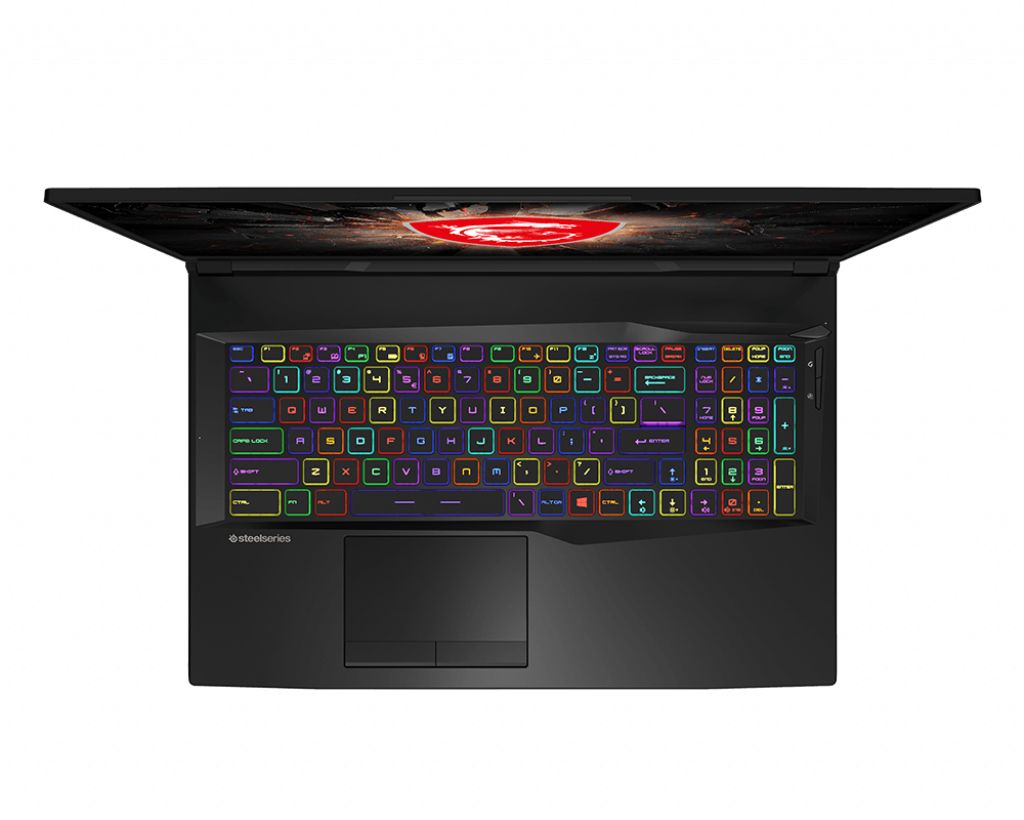
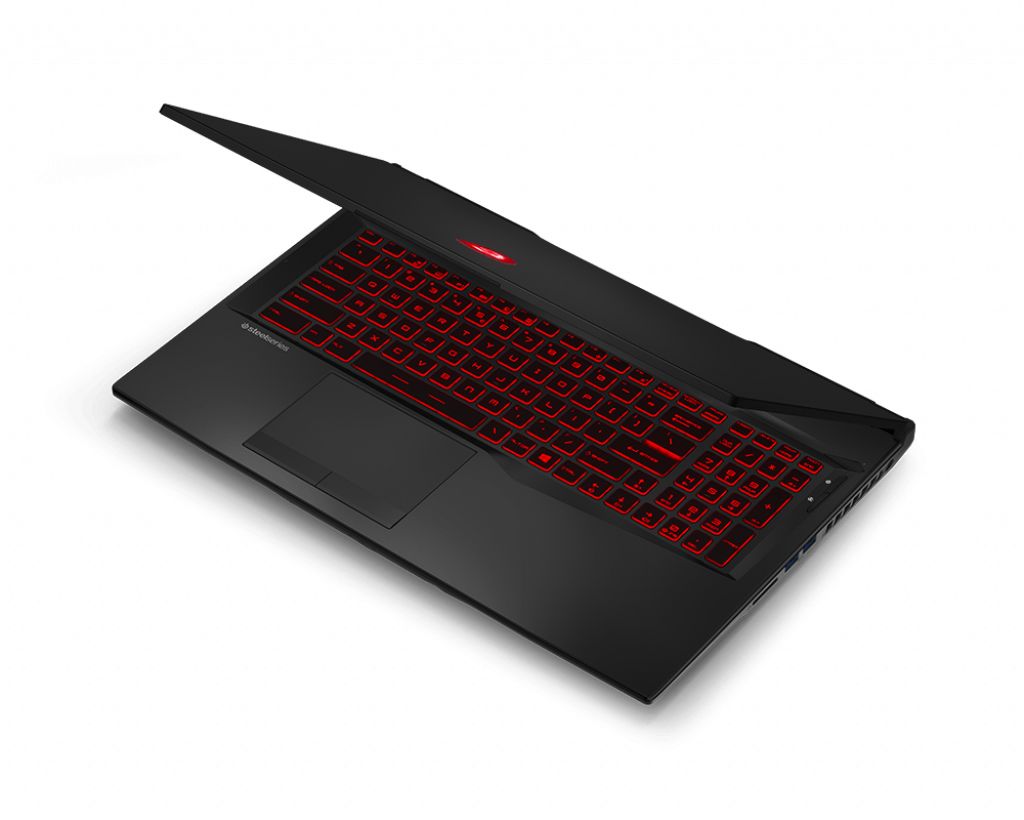
The MSI GL75 9SE-040FR Gaming series laptop features DDR4-SDRAM memory upgrade specifications. The system contains 2x SO-DIMM slots for memory expansion, supporting a maximum RAM capacity of 64 GB. Compatible memory modules operate at 2666 MHz frequency with SO-DIMM form factor. These upgrade specifications enable users to expand the laptop's memory capacity for enhanced performance and multitasking capabilities.
Memory Upgrade Specifications
| Specification | Value |
|---|---|
| Memory slots | 2x SO-DIMM |
| Form factor | SO-DIMM |
| Memory type | DDR4-SDRAM |
| Frequency | 2666 MHz |
| Maximum RAM | 64 GB |
| Voltage | 1.2V |
| Number of pins | 260-pin |
| Interface | PC4 |
| PC Speed Rating | PC4-2666 (PC4-21328) |
| Bandwidth | 21.3 GB/s |
| Laptop Release date | 31 August 2019 |
Additional Notes
- The MSI GL75 9SE-040FR supports a theoretical maximum of 32 GB per SO-DIMM slot, which represents the upper density limit for DDR4 modules in this generation of gaming laptops.
- The 2666 MHz specification indicates Intel 9th generation platform compatibility, where faster DDR4 speeds like 3200 MHz would automatically downclock to match the chipset controller limitation.
- Dual-channel memory architecture requires matched pairs for optimal bandwidth utilization, as single module configurations would halve the available memory throughput to the CPU.
- SO-DIMM modules operate at 1.2V standard voltage for DDR4, and low-voltage variants are unnecessary since this platform does not support alternative voltage specifications.
- Physical access to the memory slots typically requires bottom panel removal, which on gaming chassis often involves multiple screw types and potential warranty seal consideration.
- The 2666 MHz frequency constraint applies at JEDEC standard timing profiles, meaning XMP-rated modules would run at their base JEDEC specification rather than advertised overclocked speeds.
- Maximum capacity installation necessitates removing any factory-installed modules, as the 2-slot configuration prevents incremental upgrades beyond the existing occupied slots.
- Memory ranks affect compatibility where quad-rank configurations (4 ranks total across 2 DIMMs) may face stability limitations compared to dual-rank setups at maximum capacity.
- CAS latency variations between CL17, CL19, or CL22 at 2666 MHz produce measurable but modest real-world performance differences in gaming workloads on this platform.
- Non-ECC unbuffered modules represent the only compatible type, as server-grade ECC or registered memory would fail POST during system initialization.