MSI Gaming GL75 9SE-078XFR RAM upgrade specifications
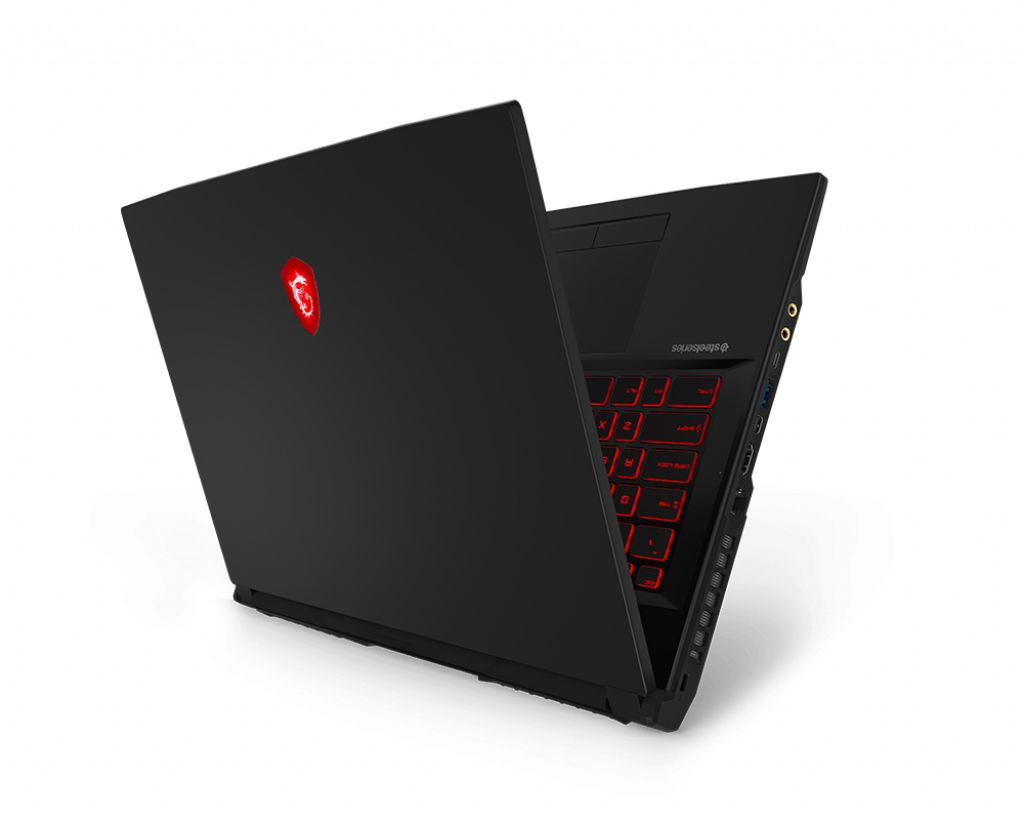
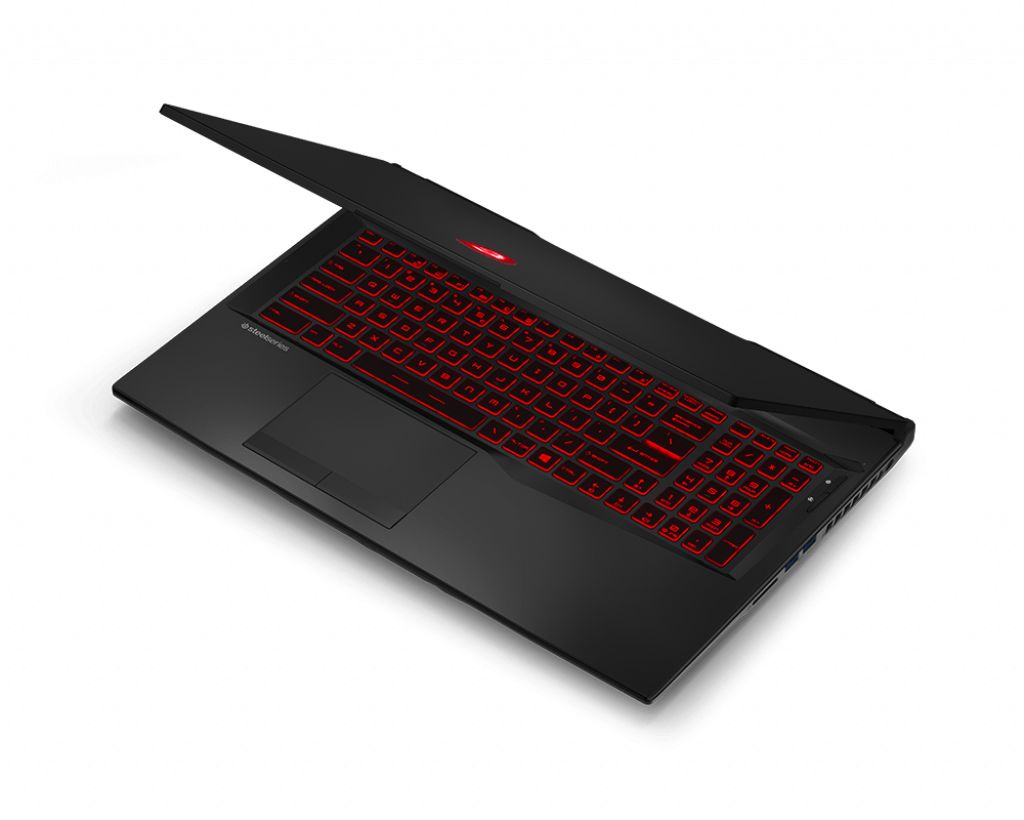
The MSI GL75 9SE-078XFR gaming laptop features DDR4-SDRAM memory with two SO-DIMM slots supporting maximum RAM capacity of 64 GB. Memory upgrade specifications include DDR4 modules operating at 2666 MHz frequency. Compatible RAM upgrades for the GL series model utilize SO-DIMM form factor, enabling users to expand the laptop's memory capacity through replacement or additional modules in the available slots.
Memory Upgrade Specifications
| Specification | Value |
|---|---|
| Memory slots | 2x SO-DIMM |
| Form factor | SO-DIMM |
| Memory type | DDR4-SDRAM |
| Frequency | 2666 MHz |
| Maximum RAM | 64 GB |
| Voltage | 1.2V |
| Number of pins | 260-pin |
| Interface | PC4 |
| PC Speed Rating | PC4-2666 (PC4-21328) |
| Bandwidth | 21.3 GB/s |
| Laptop Release date | 19 January 2020 |
Additional Notes
- The MSI GL75 9SE-078XFR uses SO-DIMM modules, which are physically smaller than desktop DIMM equivalents and require careful handling during installation to avoid contact pin damage.
- The 2666 MHz frequency ceiling indicates the memory controller on this 9th-generation Intel platform cannot process faster DDR4 speeds, making premium 3200 MHz modules operate at reduced bandwidth and negating their performance advantage.
- Two SO-DIMM slots establish a hard ceiling of 32 GB per module for theoretical maximum capacity; reaching the 64 GB limit requires both slots populated at full density, leaving no upgrade headroom beyond that threshold.
- DDR4 modules rated above 2666 MHz will automatically downclock to match the platform's native frequency, creating a compatibility scenario where higher-speed purchases deliver no performance benefit despite potential cost premium.
- Warranty considerations depend on MSI's specific upgrade policy; mixing original equipment with third-party modules in both slots may trigger coverage restrictions if thermal or stability issues arise post-installation.
- The dual-slot configuration creates a single point of failure risk; if one SO-DIMM develops errors after upgrade, the entire system memory remains affected until the faulty module is isolated and replaced.