MSI Gaming GL75 9SE-079XPL RAM upgrade specifications

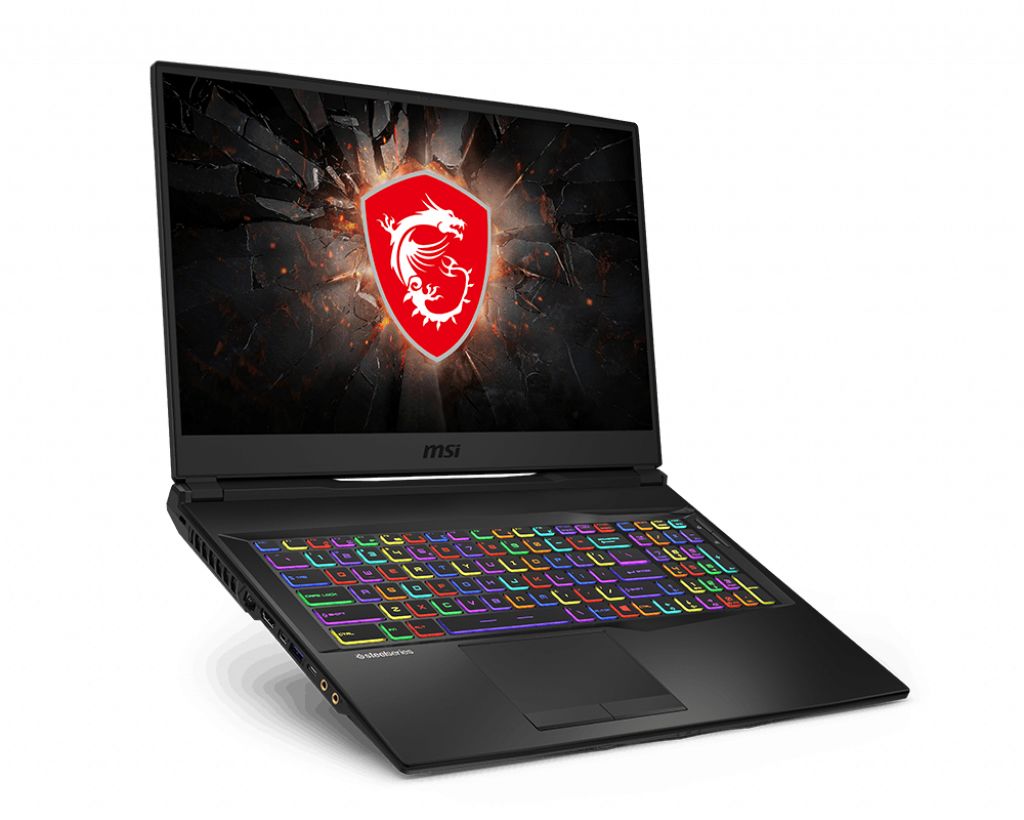
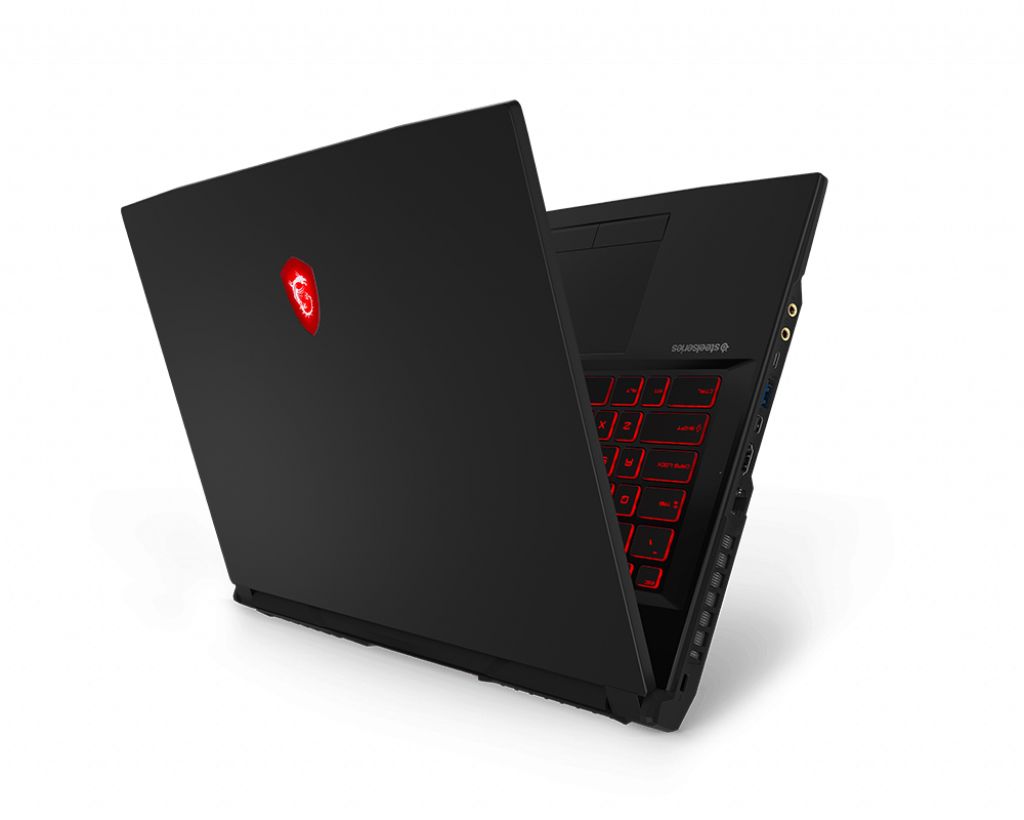
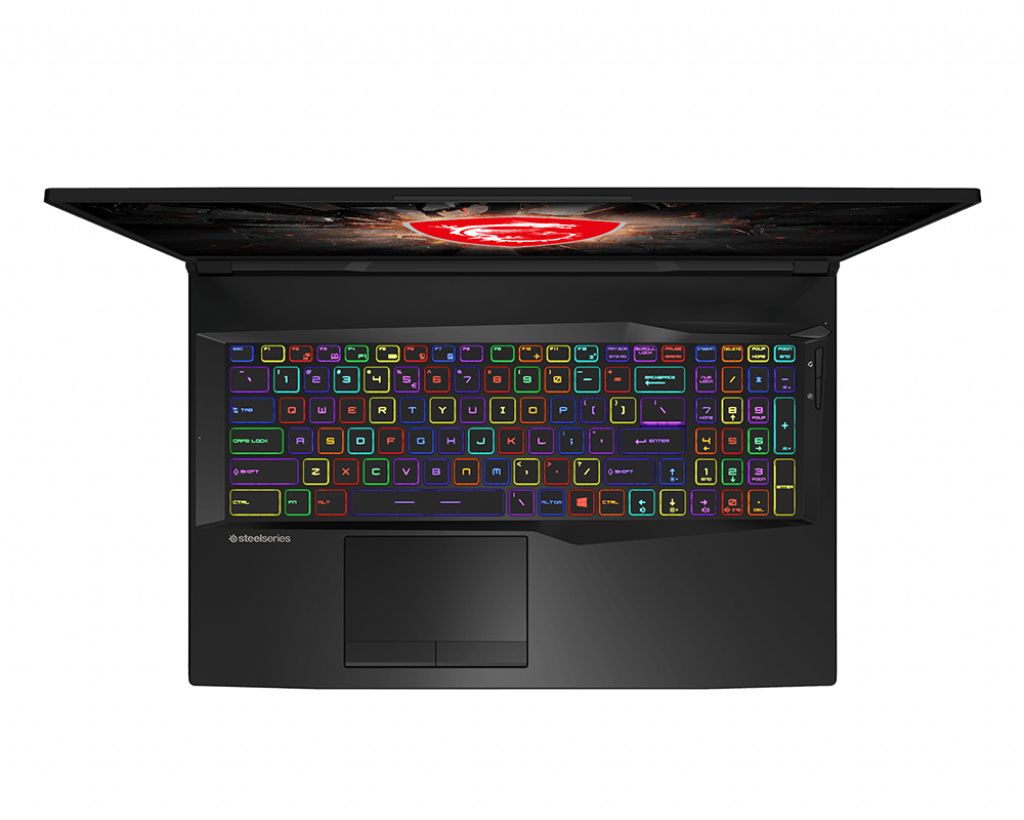
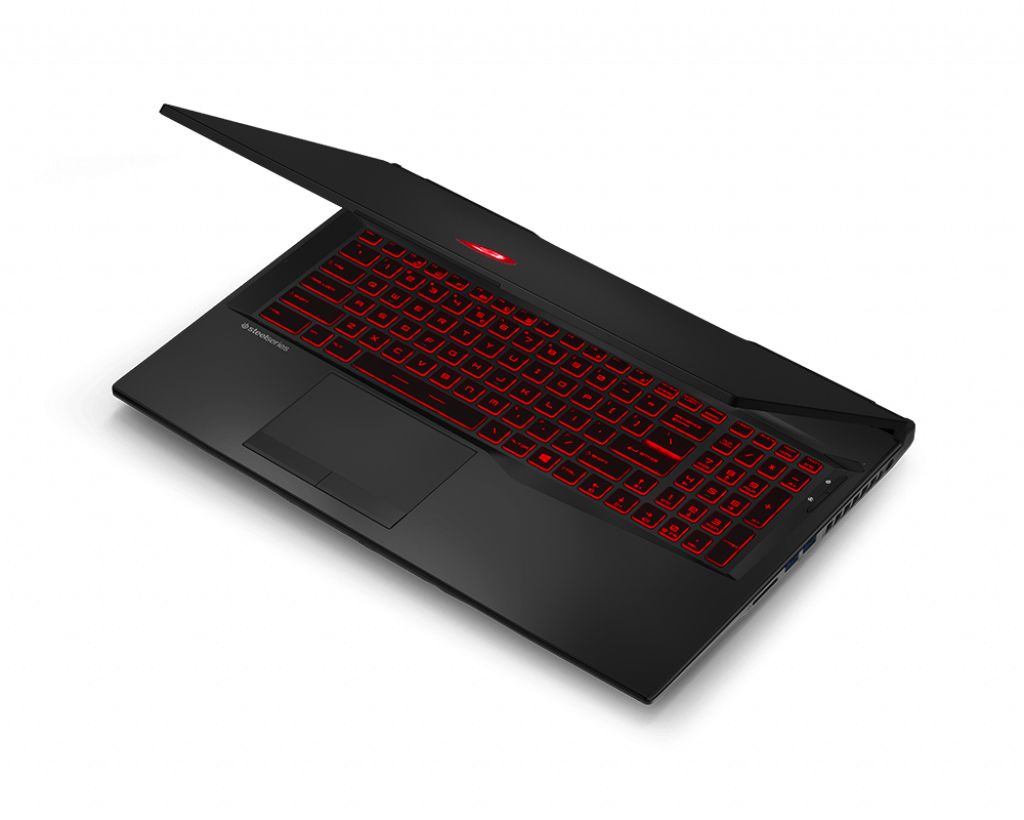
The MSI GL75 9SE-079XPL gaming laptop features DDR4-SDRAM memory upgrade specifications with two SO-DIMM slots supporting maximum capacity of 64 GB RAM. Compatible memory operates at 2666 MHz frequency. The GL series model accommodates DDR4 SO-DIMM form factor modules for performance enhancement. Current configuration allows expansion through available slots to reach maximum specifications. Existing memory slots enable modular upgrades without replacing base components. MSI Gaming GL family maintains industry-standard SO-DIMM compatibility for straightforward capacity expansion.
Memory Upgrade Specifications
| Specification | Value |
|---|---|
| Memory slots | 2x SO-DIMM |
| Form factor | SO-DIMM |
| Memory type | DDR4-SDRAM |
| Frequency | 2666 MHz |
| Maximum RAM | 64 GB |
| Voltage | 1.2V |
| Number of pins | 260-pin |
| Interface | PC4 |
| PC Speed Rating | PC4-2666 (PC4-21328) |
| Bandwidth | 21.3 GB/s |
| Laptop Release date | 16 October 2019 |
Additional Notes
- The presence of 2 SO-DIMM slots requires the replacement of existing modules to reach the maximum 64 GB capacity as no vacant expansion slots remain after parity is reached.
- Installing memory with frequency ratings above 2666 MHz results in automatic downclocking to match the integrated memory controller limitations of the MSI GL75 9SE-079XPL hardware architecture.
- Dual channel memory bandwidth is only achievable when installing identical module capacities in both slots to prevent asynchronous performance drops.
- System stability during high load gaming depends on utilizing unbuffered non-ECC modules because the motherboard chipset does not support error correction code memory.
- Physical access to the memory slots requires removal of the entire lower chassis panel which may involve piercing a factory seal sticker in certain regional jurisdictions.
- Latency timings will default to the slowest installed module if mismatched kits are used across the 2 available slots.
- Maximum 64 GB configurations demand high density double sided chips which generate localized heat requiring adequate thermal pad contact with the internal heat shield.