MSI Gaming GL75 9SFK-1228CA RAM upgrade specifications

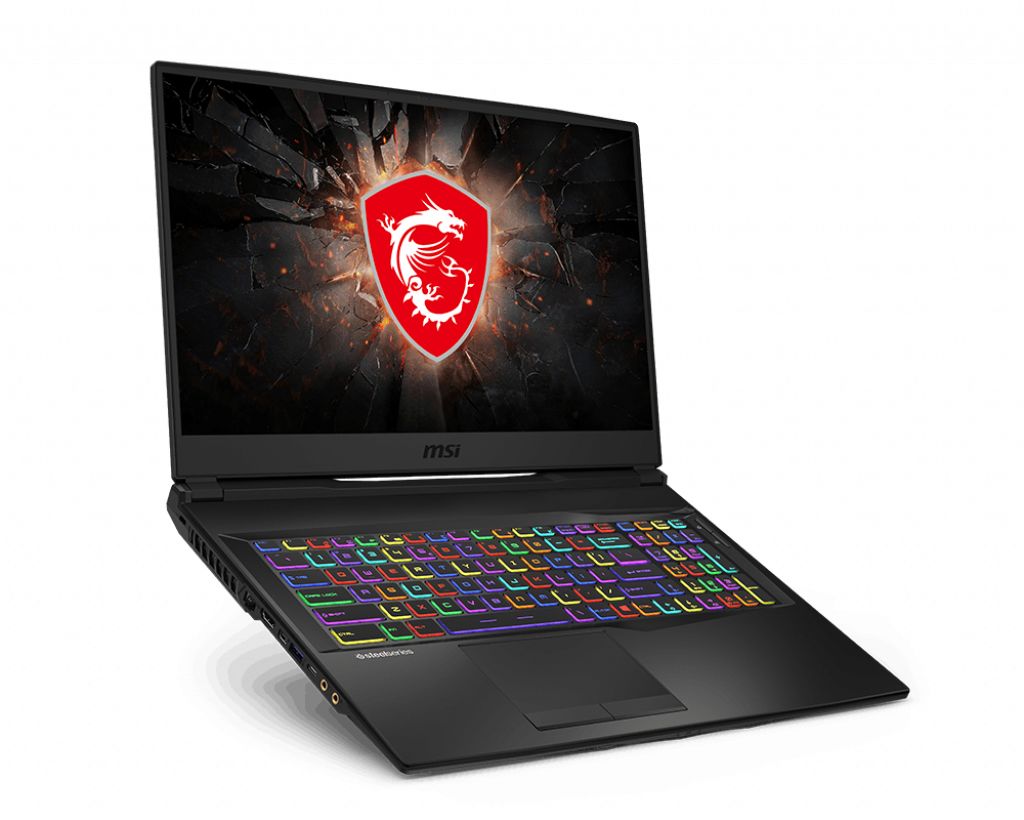
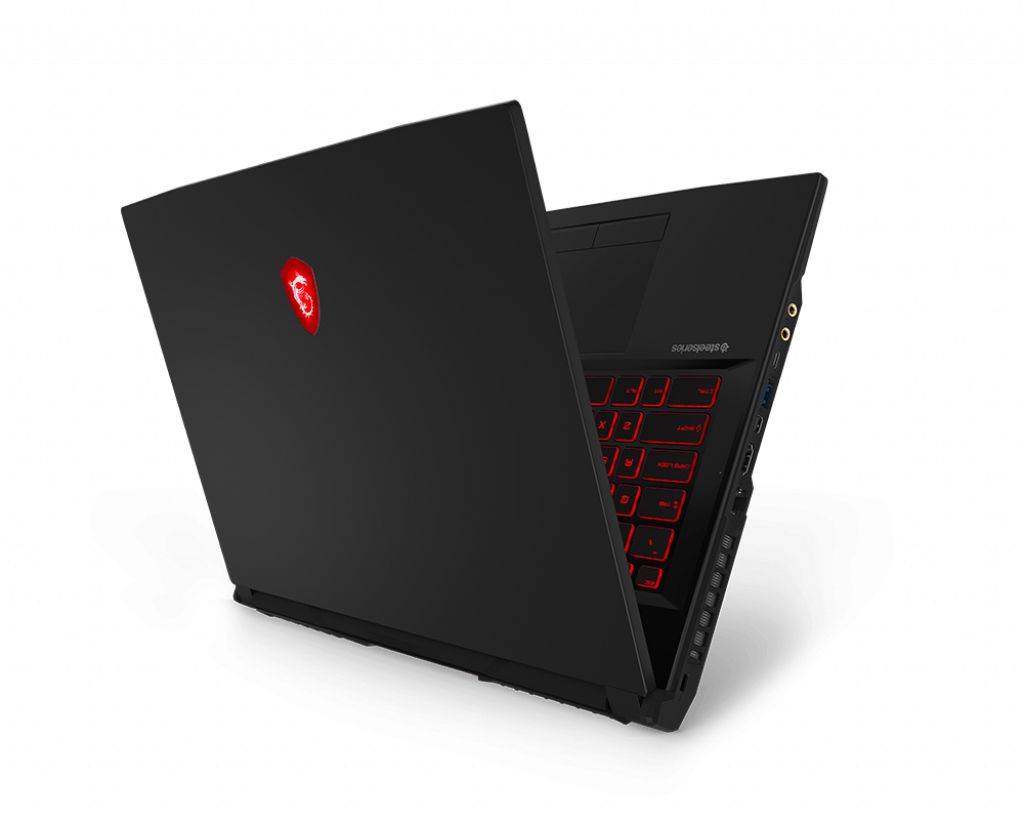
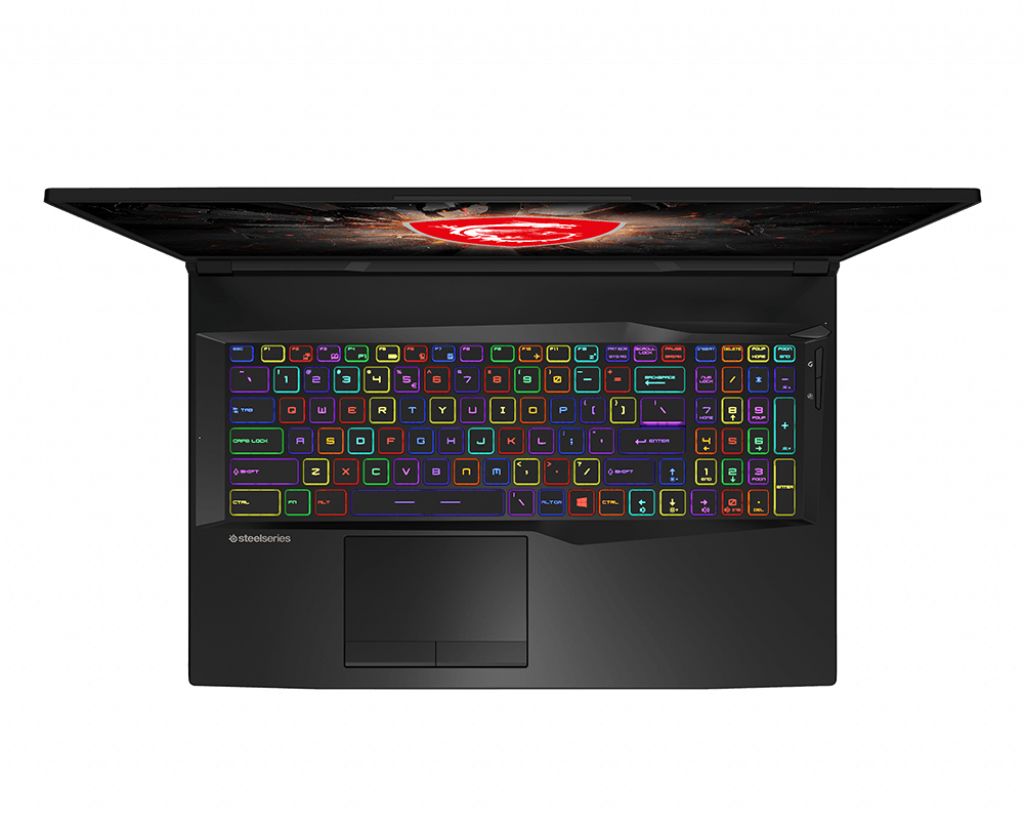
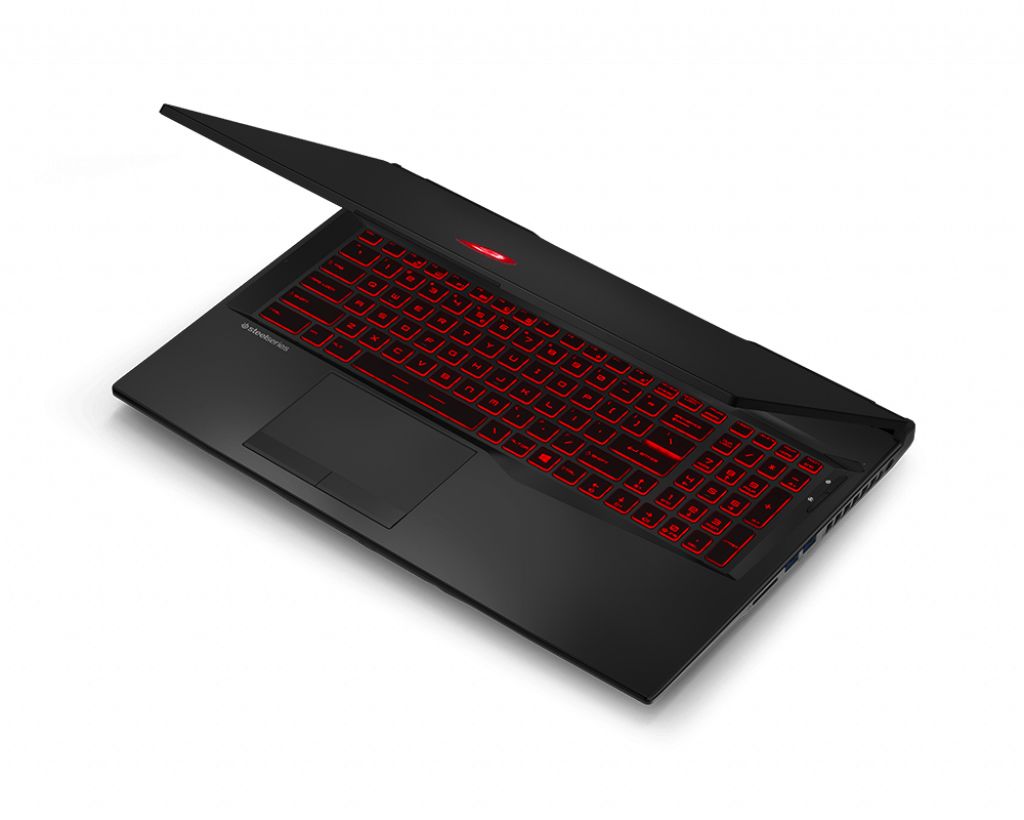
The MSI GL75 9SFK-1228CA Gaming series laptop contains DDR4-SDRAM memory upgrade specifications with 2x SO-DIMM slots supporting maximum capacity of 64 GB RAM. Compatible memory operates at 2666 MHz frequency using SO-DIMM form factor. Upgrade slots accommodate DDR4 modules for expanded system memory performance on the GL75 9SFK-1228CA model. Specifications enable memory expansion from factory configuration to maximum supported capacity through available SO-DIMM slots.
Memory Upgrade Specifications
| Specification | Value |
|---|---|
| Memory slots | 2x SO-DIMM |
| Form factor | SO-DIMM |
| Memory type | DDR4-SDRAM |
| Frequency | 2666 MHz |
| Maximum RAM | 64 GB |
| Voltage | 1.2V |
| Number of pins | 260-pin |
| Interface | PC4 |
| PC Speed Rating | PC4-2666 (PC4-21328) |
| Bandwidth | 21.3 GB/s |
| Laptop Release date | 25 November 2019 |
Additional Notes
- The MSI GL75 9SFK-1228CA accommodates memory modules rated at 2666 MHz, which represents the maximum supported frequency for 9th-generation Intel chipsets; modules rated higher will downclock to this ceiling, resulting in no performance gain from premium-tier memory.
- Dual SO-DIMM configuration limits upgrade flexibility since both slots must be populated simultaneously to avoid single-channel mode, which reduces memory bandwidth by 50 percent and creates a measurable performance bottleneck in gaming workloads.
- The 64 GB maximum capacity assumes use of 32 GB modules; DDR4 SO-DIMM availability at 32 GB remains constrained in the used market, making staged upgrades economically inefficient if starting below the 64 GB ceiling.
- SO-DIMM form factor requires removal of the base cover to access memory slots; this procedure typically falls outside manufacturer warranty restrictions, but improper reassembly risks damage to thermal paste interfaces or component contacts.
- Mixed-capacity population (such as 16 GB plus 32 GB) operates in asymmetric mode where the controller defaults to single-channel performance until both modules match capacity; this configuration negates bandwidth advantages of dual-slot design.
- The 2666 MHz specification indicates compatibility with Micron, SK Hynix, and Samsung OEM modules; third-party options from Corsair, Kingston, and Crucial meet this standard, but SPD timing values may require BIOS verification to guarantee stability.