MSI Gaming GL75 9SFK-1240 RAM upgrade specifications

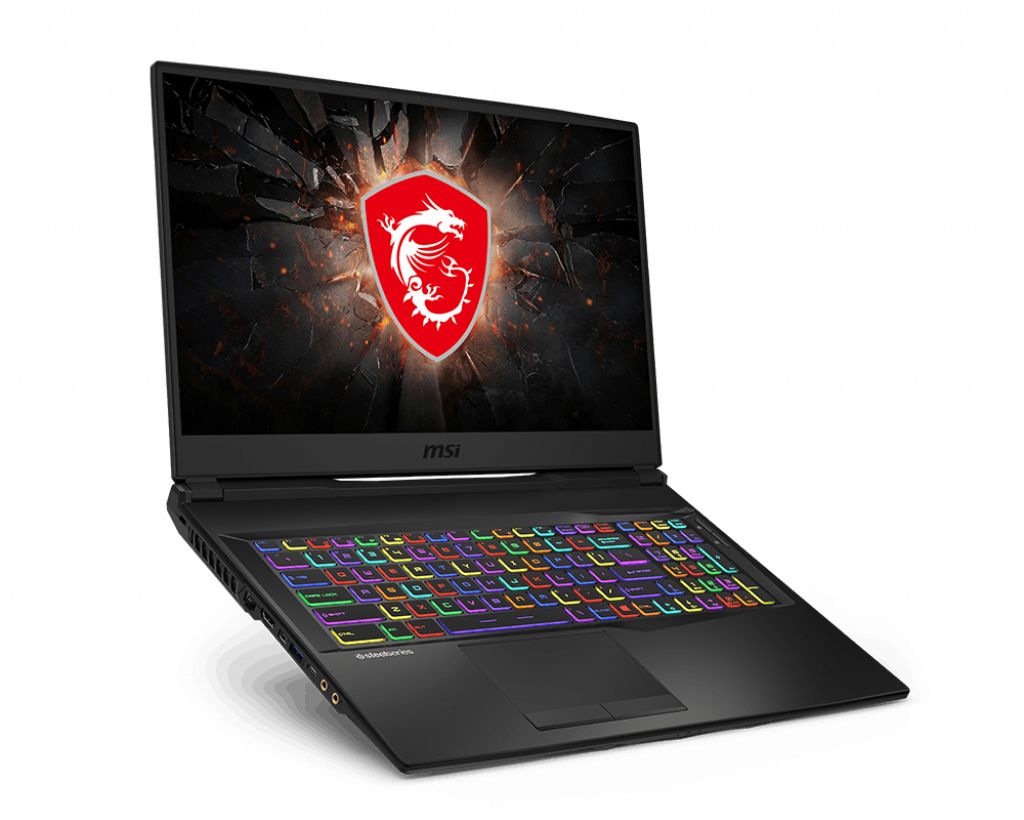



The MSI GL75 9SFK-1240 Gaming series laptop features two SO-DIMM slots for memory expansion. The system supports DDR4-SDRAM modules operating at 2666 MHz frequency. Maximum compatible RAM capacity reaches 64 GB, allowing significant upgrade potential from the factory configuration. SO-DIMM form factor specifications enable installation of standard laptop memory modules. Upgrade options provide flexibility for enhanced multitasking performance and application handling capabilities on the GL75 9SFK-1240 model.
Memory Upgrade Specifications
| Specification | Value |
|---|---|
| Memory slots | 2x SO-DIMM |
| Form factor | SO-DIMM |
| Memory type | DDR4-SDRAM |
| Frequency | 2666 MHz |
| Maximum RAM | 64 GB |
| Voltage | 1.2V |
| Number of pins | 260-pin |
| Interface | PC4 |
| PC Speed Rating | PC4-2666 (PC4-21328) |
| Bandwidth | 21.3 GB/s |
| Laptop Release date | 15 November 2019 |
Additional Notes
- The MSI GL75 9SFK-1240 requires SO-DIMM modules specifically, which excludes standard desktop DIMM memory despite both using DDR4 technology.
- The 2666 MHz frequency specification indicates compatibility with JEDEC standard DDR4-2666, but higher-rated modules will downclock to this speed due to chipset or BIOS limitations.
- Systems supporting 64 GB maximum capacity across 2 slots mandate 32 GB modules per slot, which typically require dual-rank architecture and may exhibit slightly higher latency than single-rank configurations.
- The dual-channel architecture permits asymmetric configurations, though mismatched module capacities will limit interleaved operation to the smallest common capacity across both channels.
- Installing memory beyond the validated 64 GB ceiling risks POST failures or system instability, as the memory controller lacks addressing capability for higher densities.
- DDR4-2666 operation at JEDEC standard voltages (1.2V) ensures compatibility without requiring XMP profile activation, simplifying installation in systems where BIOS access is restricted.
- The SO-DIMM form factor requires access to the bottom panel or keyboard deck, with potential warranty implications if factory seals must be broken during installation.
- Mixing modules with different CAS latencies will force all memory to operate at the highest (slowest) timing values present in the configuration.
- The 9th generation Intel platform underlying this chassis lacks native support for DDR4 speeds exceeding 2666 MHz without overclocking, making faster modules economically inefficient.