MSI Gaming GL76 11UEK-009XFR Pulse RAM upgrade specifications
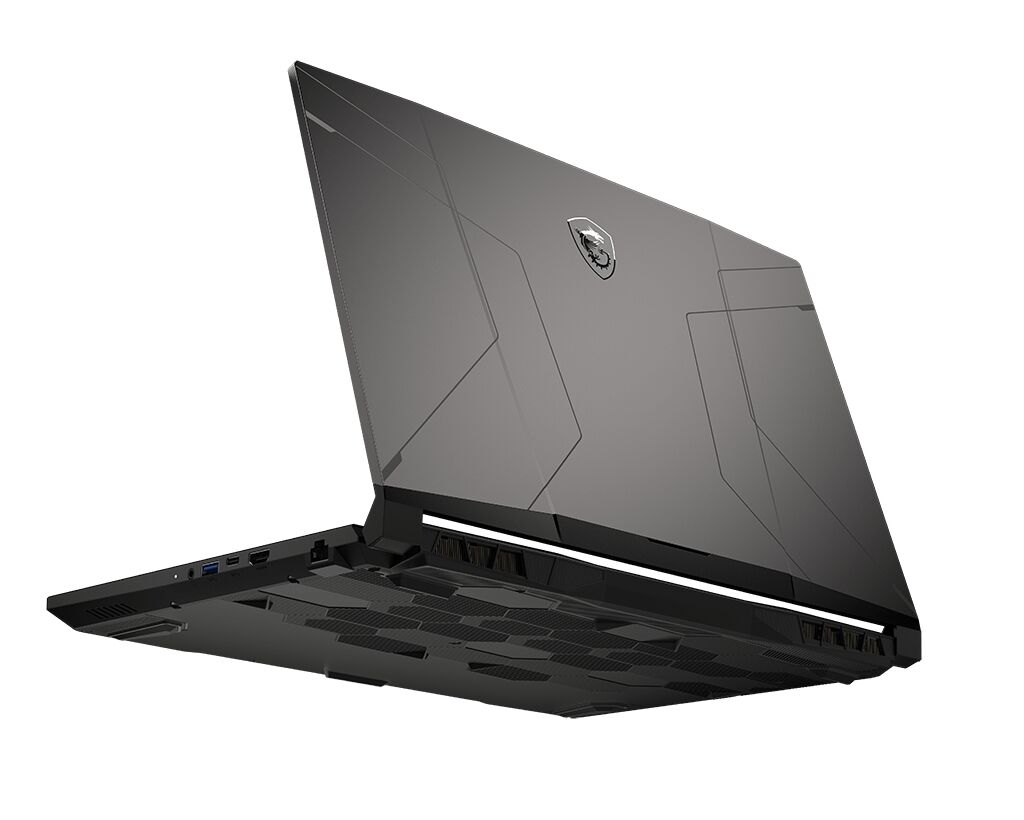
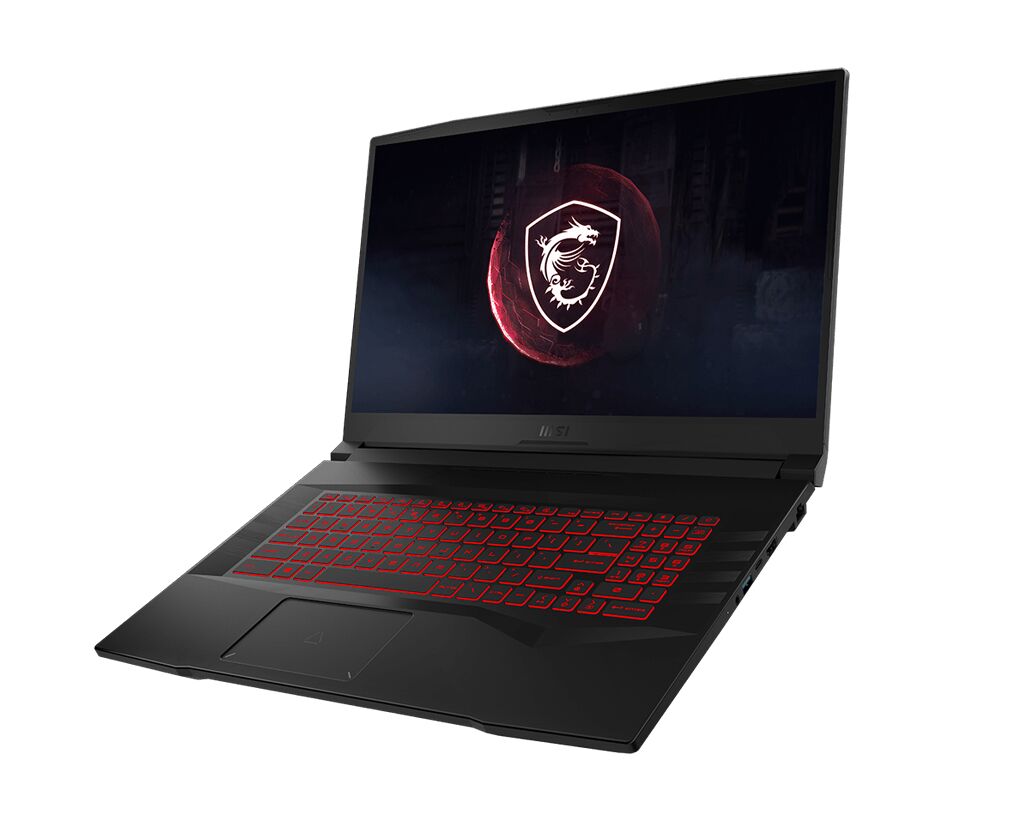
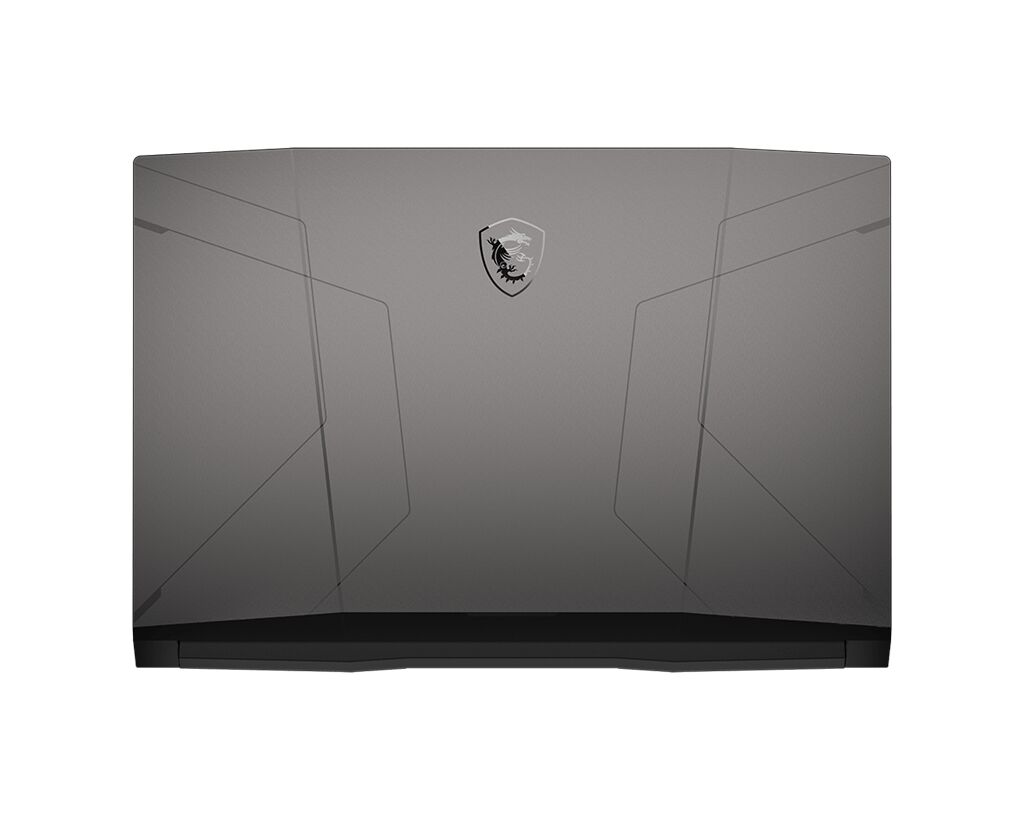
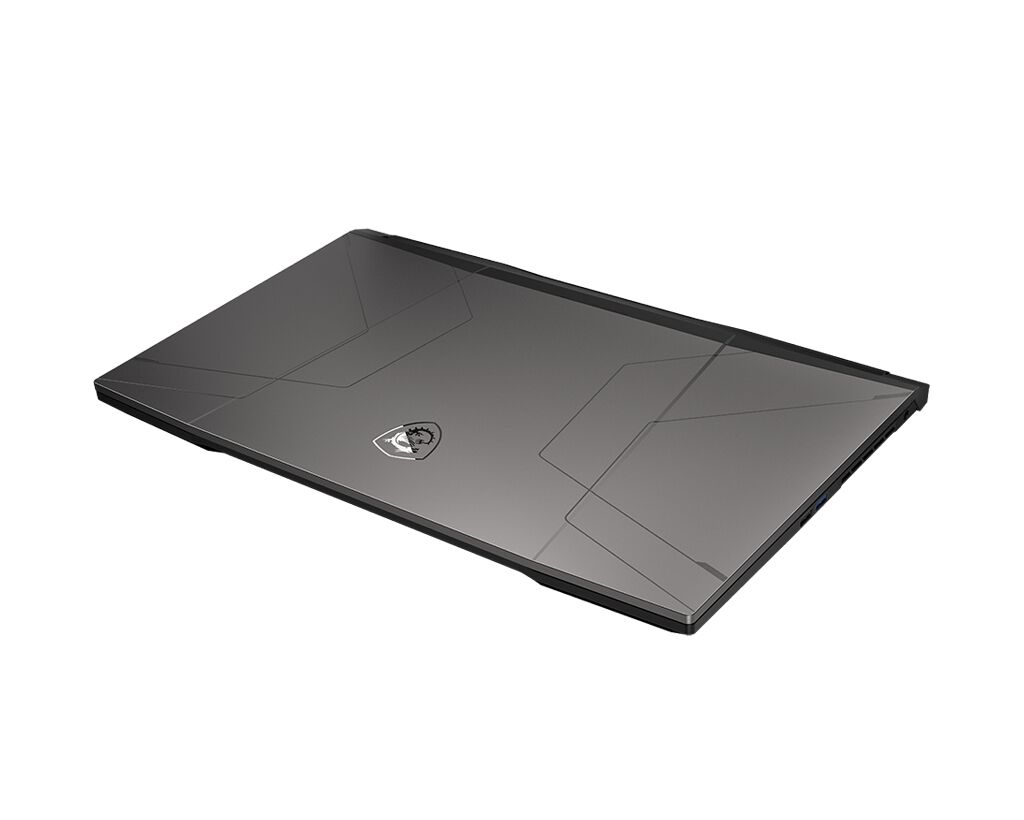
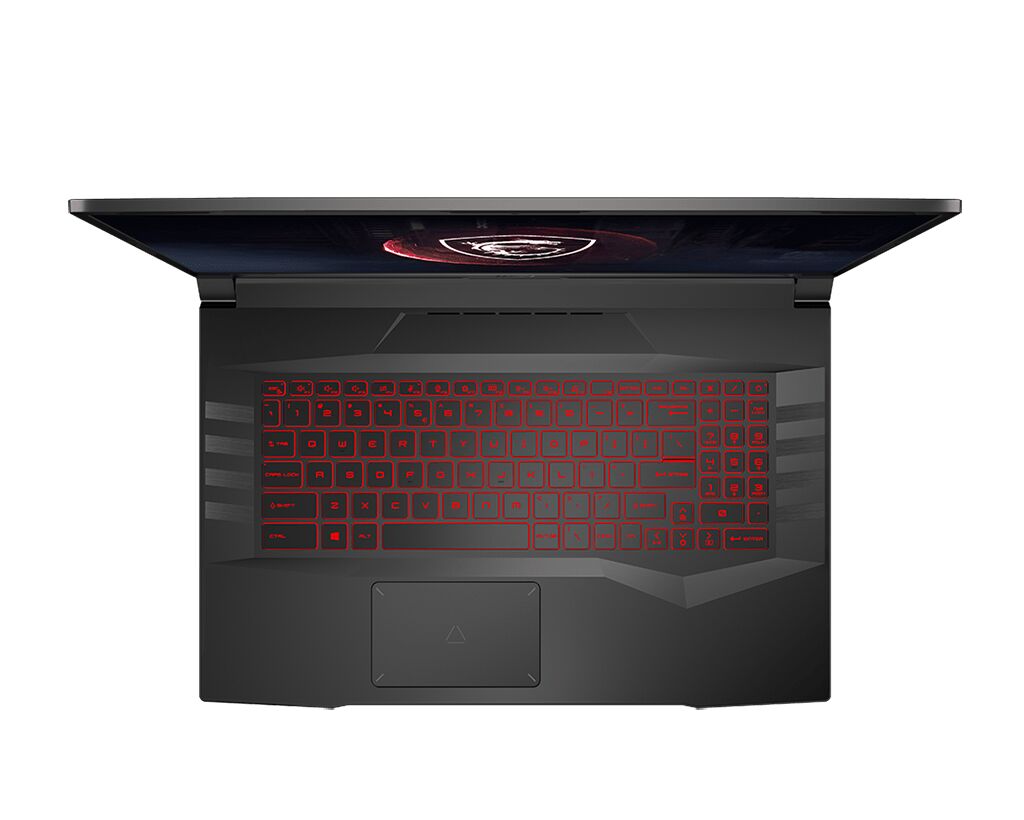
MSI GL76 11UEK-009XFR Pulse Gaming series laptop features DDR4-SDRAM memory upgrade specifications. The device contains 2x SO-DIMM slots supporting maximum capacity of 64 GB total RAM. Compatible memory modules operate at 3200 MHz frequency with SO-DIMM form factor. Specifications indicate upgrade potential through dual memory slots, allowing users to expand existing capacity up to the maximum supported configuration. DDR4-SDRAM technology provides performance standards for RAM installation in this Gaming GL series model.
Memory Upgrade Specifications
| Specification | Value |
|---|---|
| Memory slots | 2x SO-DIMM |
| Form factor | SO-DIMM |
| Memory type | DDR4-SDRAM |
| Frequency | 3200 MHz |
| Maximum RAM | 64 GB |
| Voltage | 1.2V |
| Number of pins | 260-pin |
| Interface | PC4 |
| PC Speed Rating | PC4-3200 (PC4-25600) |
| Bandwidth | 25.6 GB/s |
| Laptop Release date | 26 May 2021 |
Additional Notes
- The 2 SO-DIMM slot configuration supports symmetric dual-channel operation, enabling full bandwidth utilization only when both slots contain matched capacity modules. Single-slot population results in single-channel mode, halving effective memory bandwidth and increasing latency for gaming workloads.
- DDR4-3200 specification indicates the MSI GL76 11UEK-009XFR Pulse requires JEDEC-compliant modules; higher-frequency XMP/DOCP profiles remain unsupported by the platform's memory controller, limiting practical upgrade options to certified 3200 MHz or lower-speed modules.
- The 64 GB maximum capacity ceiling (32 GB per slot) creates a hard limit on future RAM expansion; any upgrade beyond the installed configuration consumes the full upgrade budget, leaving no headroom for incremental additions.
- SO-DIMM form factor requires laptop-specific modules rather than desktop DDR4 variants; physical clearance constraints around keyboard deck and cooling pathways may restrict compatibility to modules with standard height profiles, excluding some low-profile designs.
- Memory upgrade procedures on this chassis typically require partial disassembly of the bottom panel and potentially keyboard removal; warranty preservation depends on following OEM documentation protocols, as third-party installation may void coverage on memory-related failures.
- The gaming-class processor paired with this memory specification suggests the system was designed around 3200 MHz operation; upgrading to mismatched frequencies or capacities creates asymmetric performance characteristics, potentially introducing frame-time variability in GPU-intensive scenarios.