MSI Gaming GL76 11UEK-015AU Pulse RAM upgrade specifications
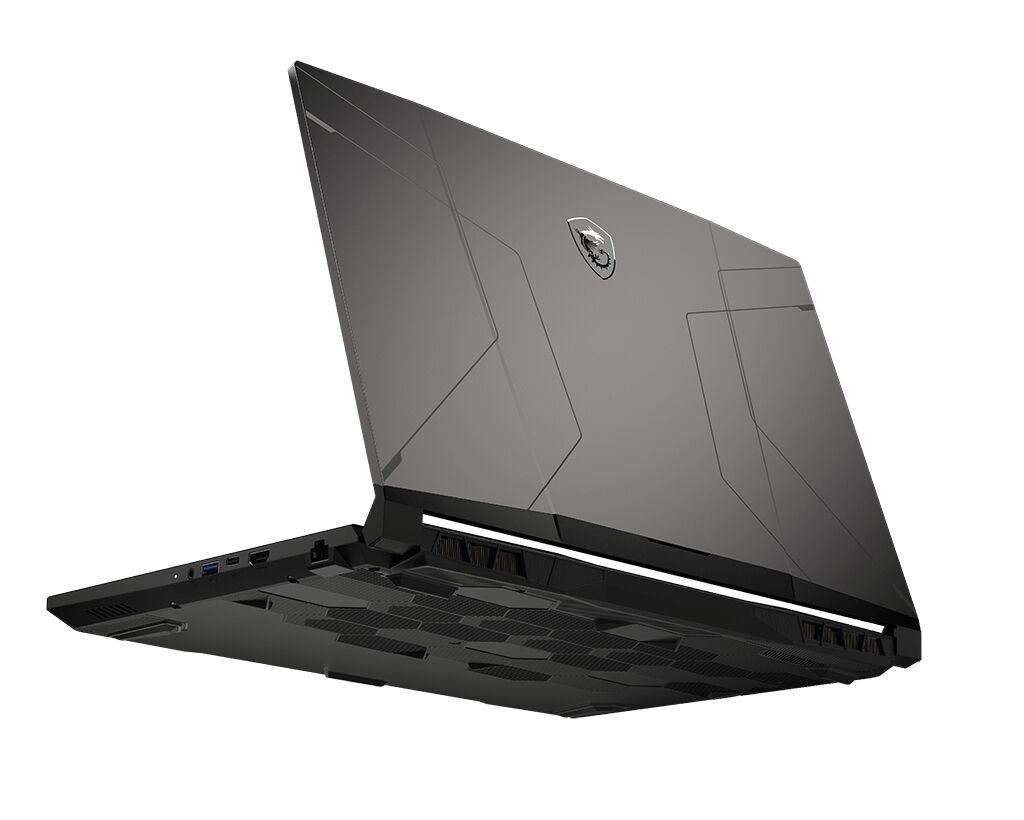
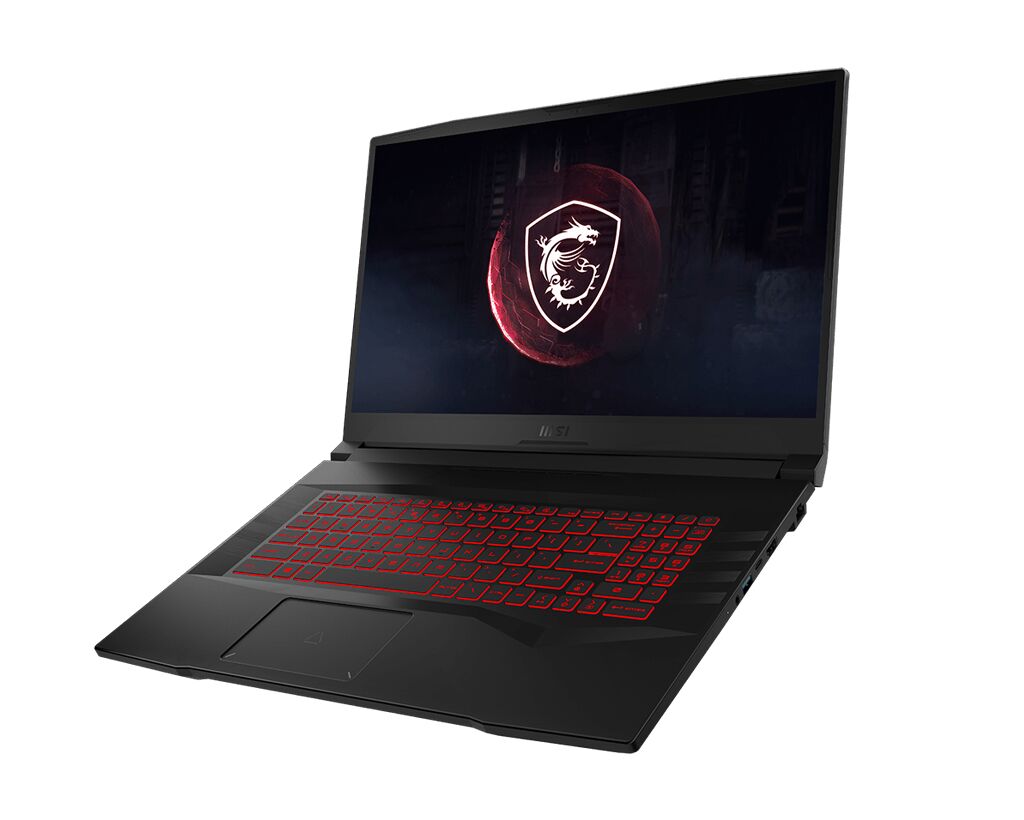
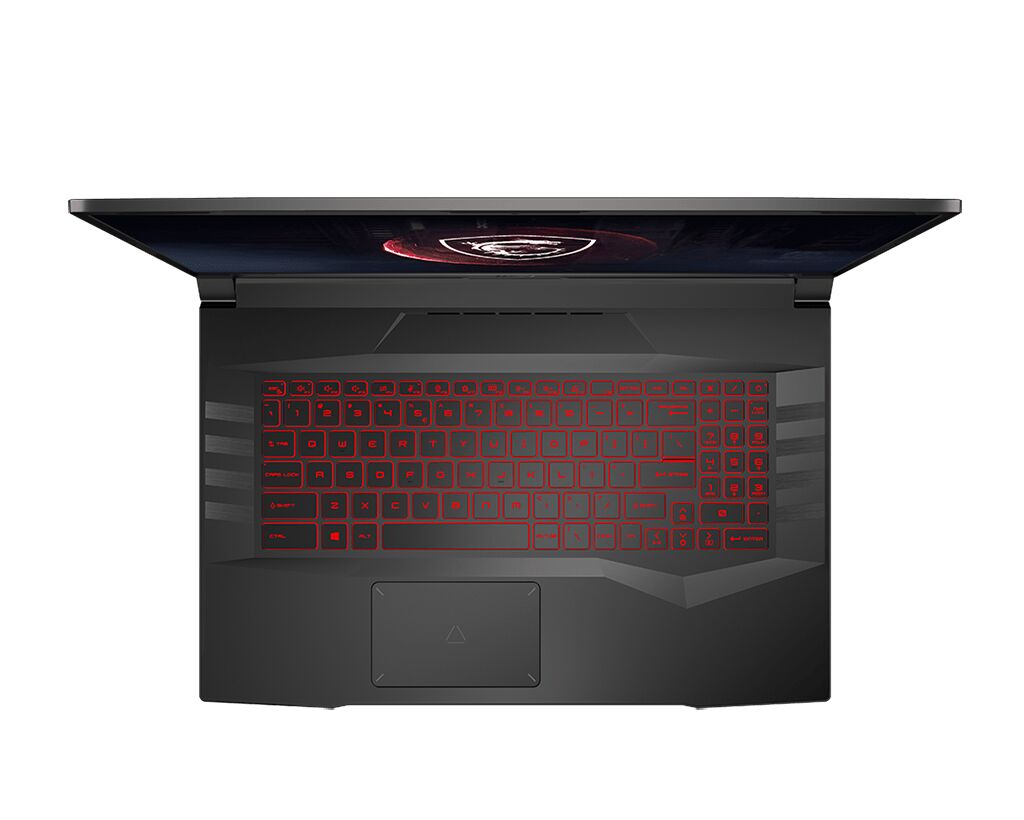
MSI GL76 11UEK-015AU Pulse gaming laptop memory upgrade specifications detail DDR4-SDRAM compatibility with two SO-DIMM slots supporting maximum RAM capacity of 64 GB. Compatible memory modules operate at 3200 MHz frequency. The GL series gaming model accepts standard SO-DIMM form factor upgrades, enabling users to expand memory capacity from factory configurations. Maximum specifications accommodate dual-channel memory configurations for enhanced performance in the GL76 Pulse series.
Memory Upgrade Specifications
| Specification | Value |
|---|---|
| Memory slots | 2x SO-DIMM |
| Form factor | SO-DIMM |
| Memory type | DDR4-SDRAM |
| Frequency | 3200 MHz |
| Maximum RAM | 64 GB |
| Voltage | 1.2V |
| Number of pins | 260-pin |
| Interface | PC4 |
| PC Speed Rating | PC4-3200 (PC4-25600) |
| Bandwidth | 25.6 GB/s |
| Laptop Release date | 15 June 2021 |
Additional Notes
- The MSI GL76 11UEK-015AU Pulse accepts non-ECC unbuffered modules exclusively, as registered or load-reduced variants remain incompatible with consumer-grade SO-DIMM sockets.
- Dual-channel architecture requires matched module pairs installed across both slots to achieve the full 51.2 GB/s theoretical bandwidth at 3200 MHz.
- Single-module configurations halve memory bandwidth to 25.6 GB/s, creating potential GPU bottlenecks during VRAM overflow scenarios in gaming workloads.
- The 64 GB ceiling necessitates 32 GB modules per slot, constraining configurations to either 32 GB total (single-rank density) or 64 GB maximum (dual-rank density).
- Mixing module capacities triggers asymmetric dual-channel mode, where only the lower-capacity module's capacity per slot runs in dual-channel, with excess reverting to slower single-channel operation.
- Intel 11th generation mobile platforms support JEDEC standard speeds up to 3200 MHz natively, eliminating XMP profile dependencies and associated stability concerns.
- SO-DIMM module height restrictions typically permit heat spreaders under 3.5 mm, though most manufacturers omit spreaders entirely on laptop modules.
- CAS latency timing differences between CL20, CL22, and CL24 modules produce measurable but minor performance deltas of 2-4% in memory-sensitive applications.
- Operating voltage remains locked at 1.2V for DDR4 SO-DIMM standards, preventing manual voltage adjustments that desktop platforms permit.
- Bottom-panel access typically requires full disassembly on this chassis generation, as memory slots mount underneath the motherboard rather than through dedicated service doors.
- Thermal cycling during installation risks condensation damage if modules transition directly from cold shipping temperatures to powered operation without acclimatization periods.
- Warranty preservation demands verifying whether the regional SKU permits user-serviceable memory upgrades, as some markets enforce sealed-unit policies.