MSI Gaming GL76 12UDK-042XPL Pulse RAM upgrade specifications
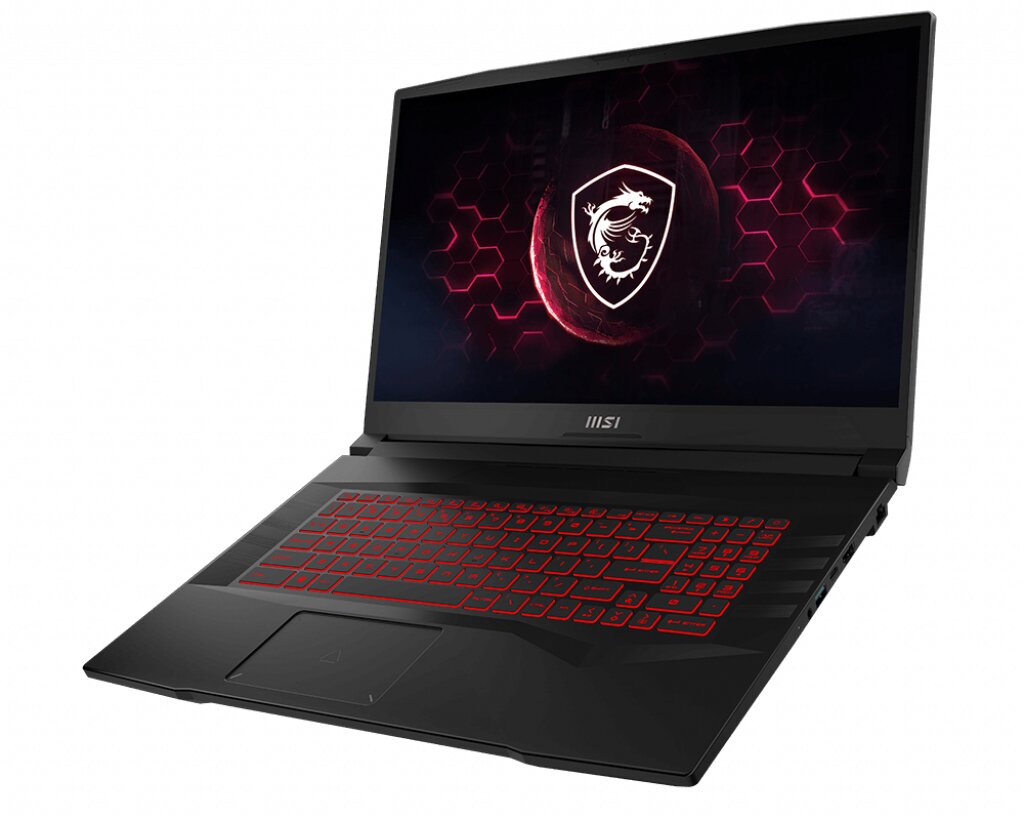
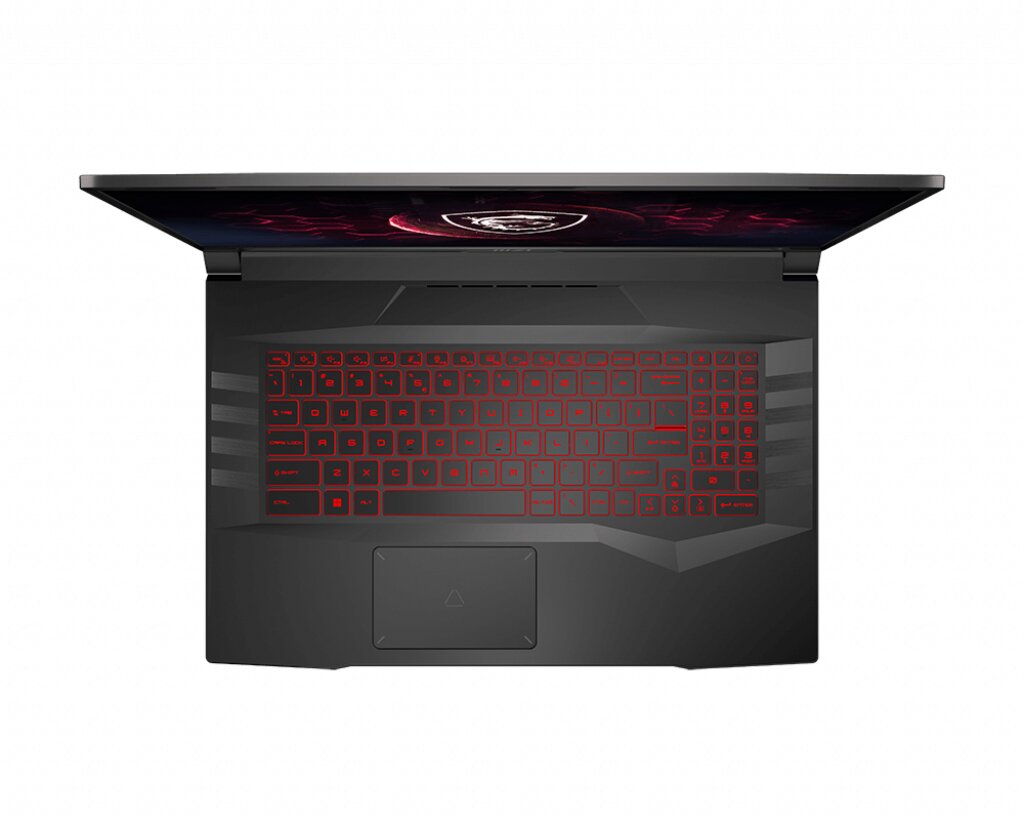
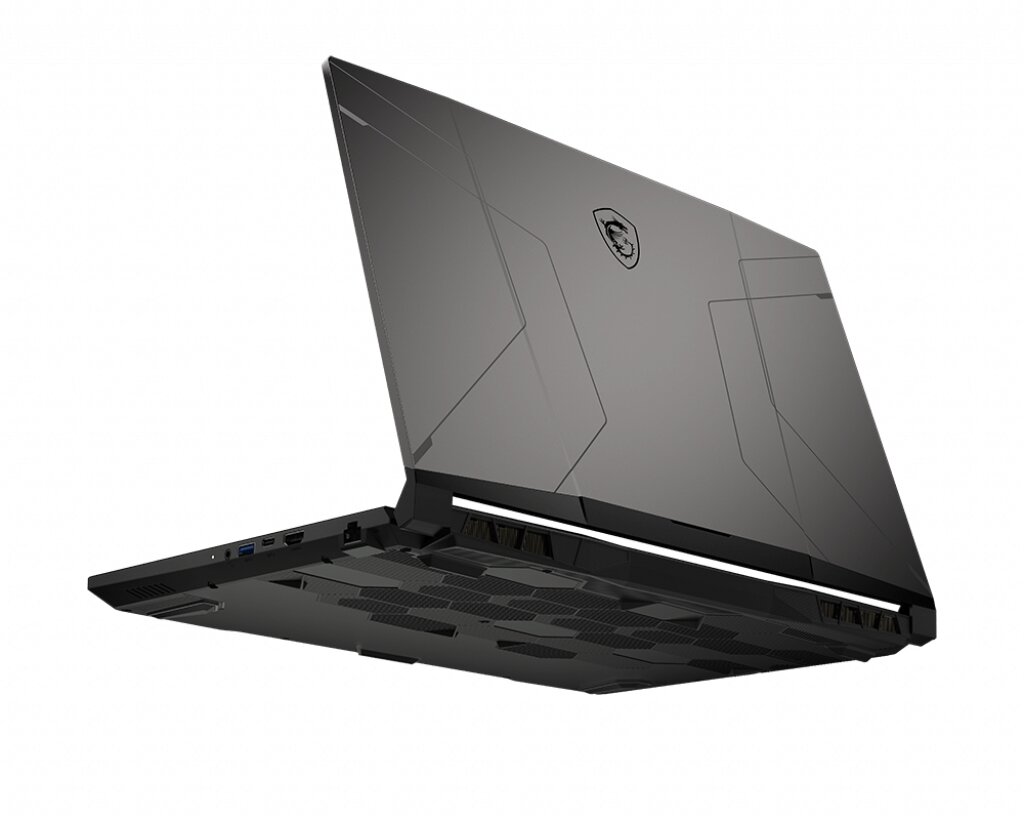
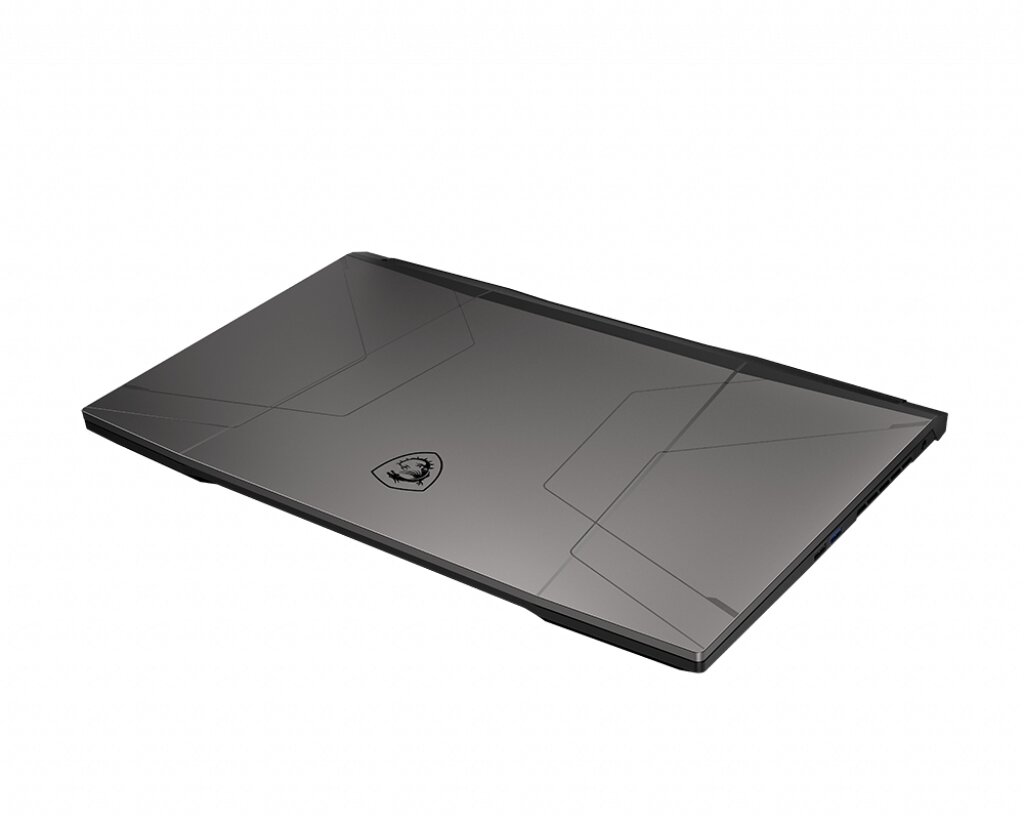
The MSI GL76 12UDK-042XPL Pulse gaming laptop features DDR4-SDRAM memory specifications supporting upgrade capacity to maximum 64 GB. The system includes 2x SO-DIMM memory slots for RAM expansion. Compatible memory modules operate at 3200 MHz frequency. Specifications indicate the GL76 Pulse series from MSI Gaming family utilizes SO-DIMM form factor modules for memory upgrades, enabling users to expand the laptop's RAM capacity according to system compatibility requirements.
Memory Upgrade Specifications
| Specification | Value |
|---|---|
| Memory slots | 2x SO-DIMM |
| Form factor | SO-DIMM |
| Memory type | DDR4-SDRAM |
| Frequency | 3200 MHz |
| Maximum RAM | 64 GB |
| Voltage | 1.2V |
| Number of pins | 260-pin |
| Interface | PC4 |
| PC Speed Rating | PC4-3200 (PC4-25600) |
| Bandwidth | 25.6 GB/s |
| Laptop Release date | 26 October 2022 |
Additional Notes
- The 3200 MHz native frequency operates optimally only when both slots contain identical specification modules, as mismatched speeds force the memory controller to downclock to the slower module's rate.
- Achieving the 64 GB ceiling requires 2 × 32 GB modules, which eliminates incremental upgrade flexibility once this configuration is installed.
- The SO-DIMM form factor physically prevents installation of standard desktop DIMM modules, regardless of matching DDR4 specifications.
- DDR4-SDRAM compatibility excludes DDR5 modules entirely due to notch position differences and voltage incompatibility, preventing future migration to newer memory standards without motherboard replacement.
- Operating dual-channel mode depends on populating both slots with matched capacity modules, as asymmetric configurations revert to single-channel operation for the excess capacity beyond the smaller module.
- The MSI GL76 12UDK-042XPL Pulse memory controller supports JEDEC standard DDR4-3200, but XMP/overclocked modules may default to 2666 MHz or 2933 MHz base speeds without BIOS profile activation.
- Voltage requirements locked at 1.2V standard exclude low-voltage DDR4L modules rated for 1.05V, which may cause POST failures or stability issues.
- Physical slot accessibility typically requires bottom panel removal, where warranty seals may be present depending on regional service policies.
- Single-rank versus dual-rank module architecture affects bandwidth despite identical capacity specifications, with dual-rank configurations providing marginal performance gains in memory-intensive workloads.
- Temperature constraints within the laptop chassis favor modules without aftermarket heat spreaders, as excessive height clearance can interfere with keyboard assembly or thermal solutions.