MSI Gaming GL76 12UEK-039FR Pulse RAM upgrade specifications
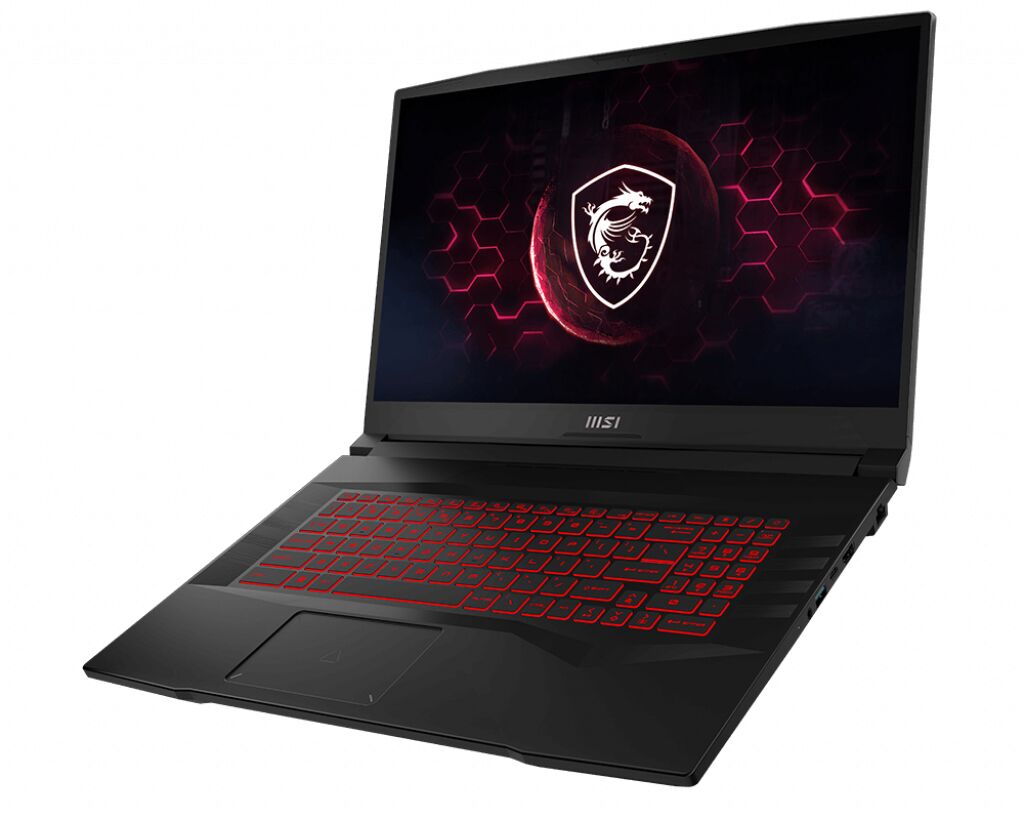
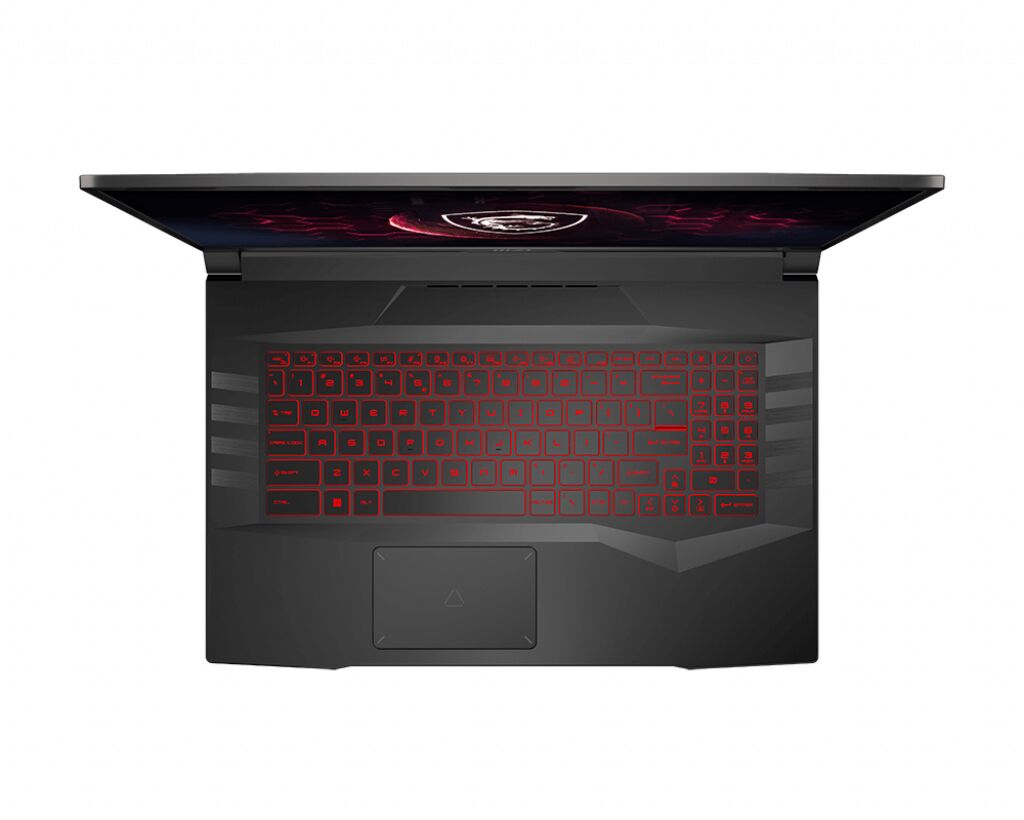
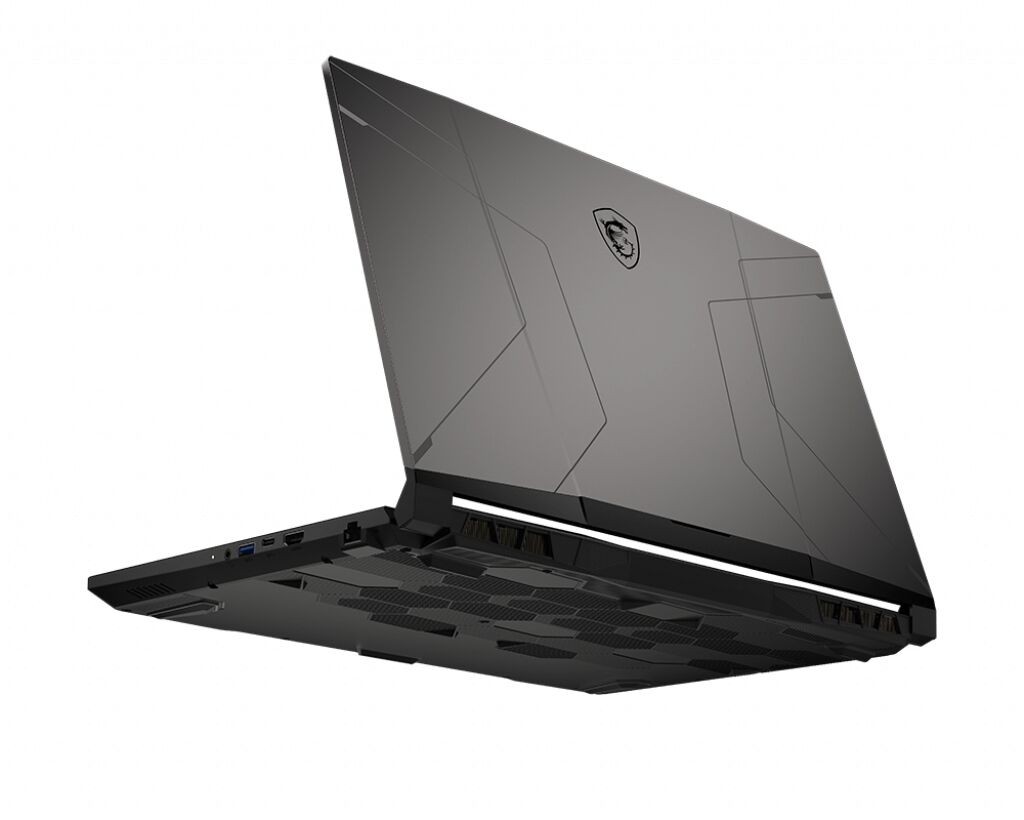
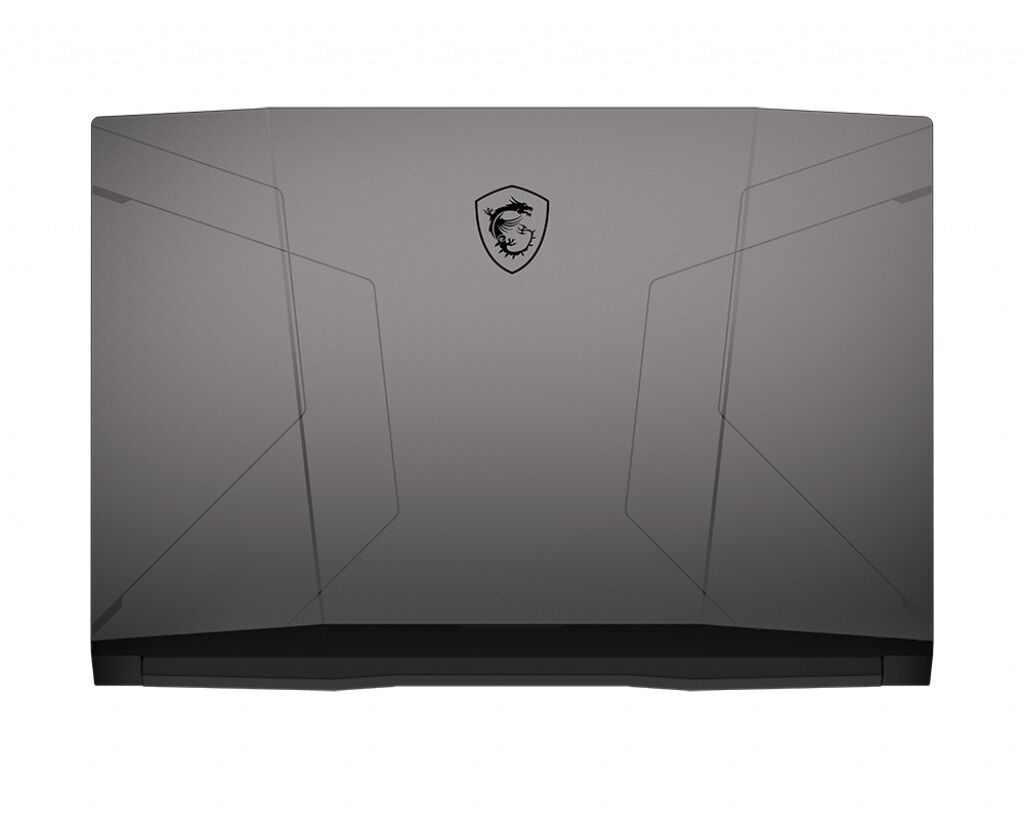
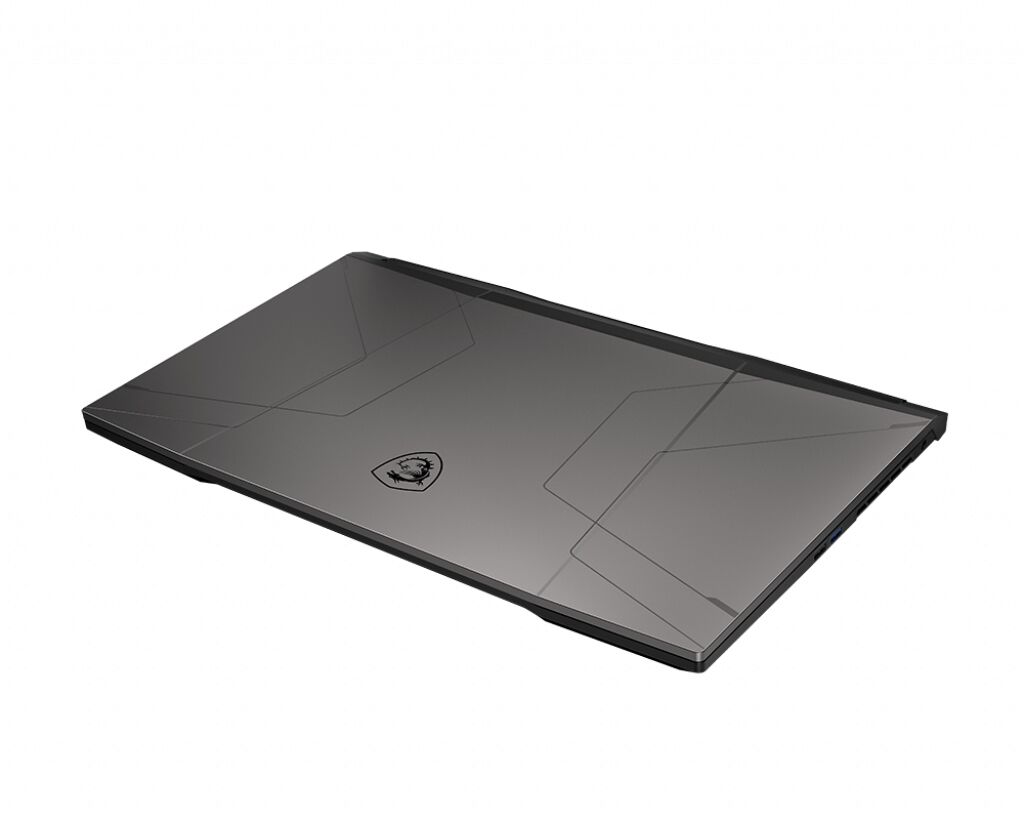
The MSI GL76 12UEK-039FR Pulse gaming laptop supports DDR4-SDRAM memory upgrades via two SO-DIMM slots. Maximum RAM capacity reaches 64 GB total, with compatible memory modules operating at 3200 MHz frequency. The GL series laptop accommodates SO-DIMM form factor upgrades, allowing users to expand from the factory-configured memory specifications up to the maximum supported capacity. Specifications indicate the MSI Gaming GL76 model supports standard DDR4 memory upgrade configurations for enhanced multitasking and performance capabilities.
Memory Upgrade Specifications
| Specification | Value |
|---|---|
| Memory slots | 2x SO-DIMM |
| Form factor | SO-DIMM |
| Memory type | DDR4-SDRAM |
| Frequency | 3200 MHz |
| Maximum RAM | 64 GB |
| Voltage | 1.2V |
| Number of pins | 260-pin |
| Interface | PC4 |
| PC Speed Rating | PC4-3200 (PC4-25600) |
| Bandwidth | 25.6 GB/s |
| Laptop Release date | 05 May 2022 |
Additional Notes
- The MSI GL76 12UEK-039FR Pulse accepts only laptop-sized memory modules, making desktop RAM physically incompatible regardless of specifications.
- Both memory channels must remain populated to maintain dual-channel operation, which provides double the memory bandwidth compared to single-channel configurations.
- Installing mismatched module capacities will force the system to run in flex mode or asymmetric dual-channel, potentially creating performance inconsistencies in memory-intensive applications.
- The 3200 MHz specification represents the JEDEC standard speed, though actual operating frequency depends on the Intel 12th generation processor's memory controller capabilities and BIOS settings.
- Modules rated above 3200 MHz will downclock to this frequency unless XMP profiles are supported and enabled, which varies by motherboard implementation.
- The 64 GB ceiling requires 2 modules of 32 GB each, a configuration that may exhibit higher latency compared to lower-density modules due to rank organization.
- Mixing RAM from different manufacturers or production batches increases the risk of stability issues, even when specifications appear identical on paper.
- DDR4 voltage tolerance typically ranges from 1.2V to 1.35V, and modules exceeding this range may fail POST or require manual BIOS voltage adjustment.
- The SO-DIMM form factor requires a 260-pin configuration, distinguishing it from older DDR3 SO-DIMM modules which used 204 pins and are mechanically incompatible.
- Access to memory slots likely requires bottom panel removal, and some manufacturers void warranties if factory-installed modules are removed rather than supplemented.
- Heat dissipation in the confined laptop chassis makes low-profile modules without tall heat spreaders preferable to avoid clearance issues with the keyboard assembly.
- Single-rank versus dual-rank module architecture affects memory interleaving, with dual-rank configurations sometimes offering marginal performance improvements in bandwidth-sensitive workloads.