MSI Gaming GL76 12UEK-040FR Pulse RAM upgrade specifications
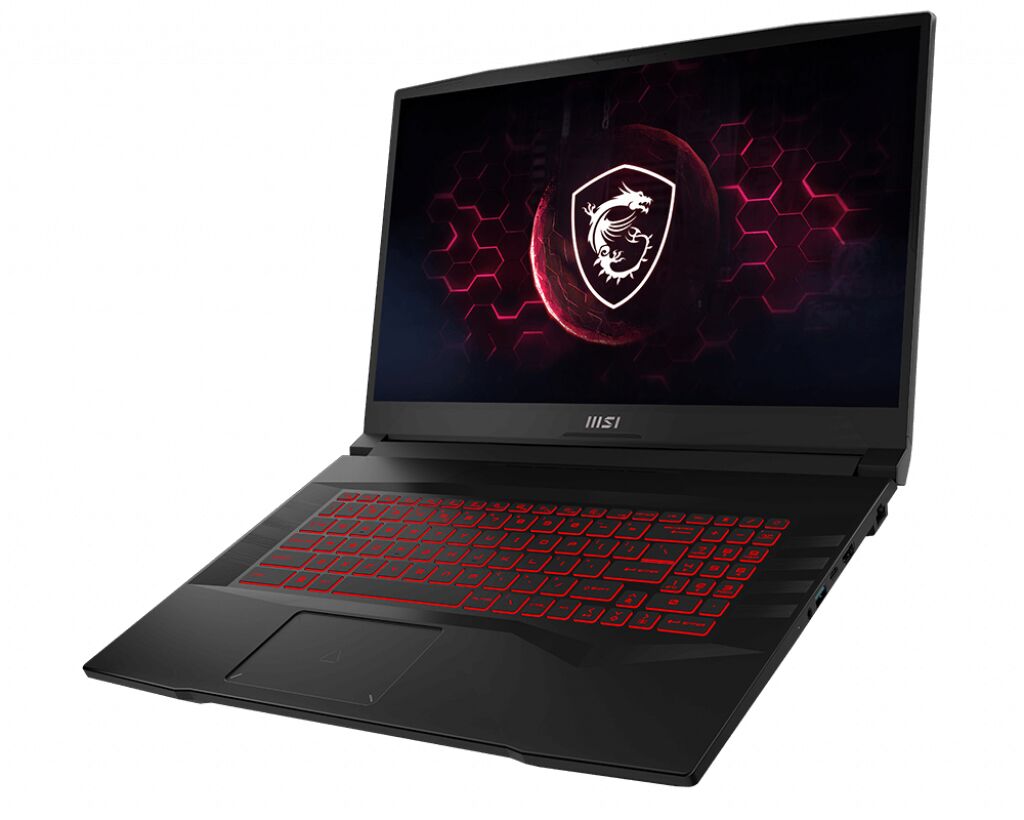
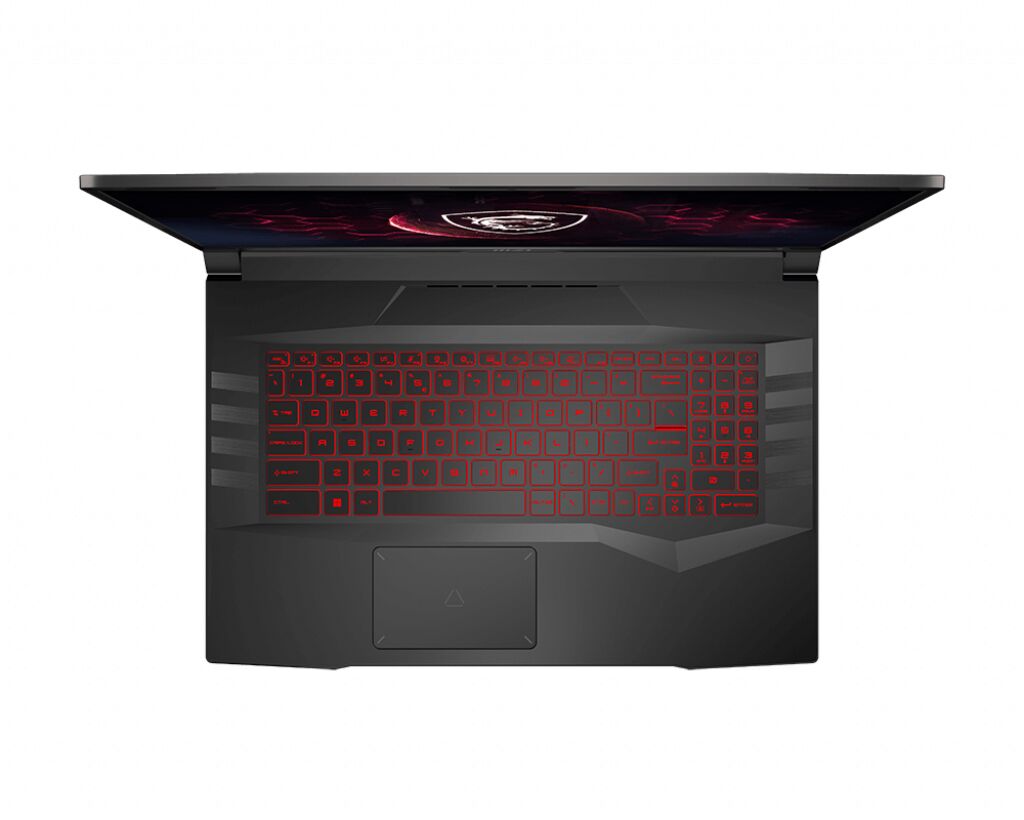
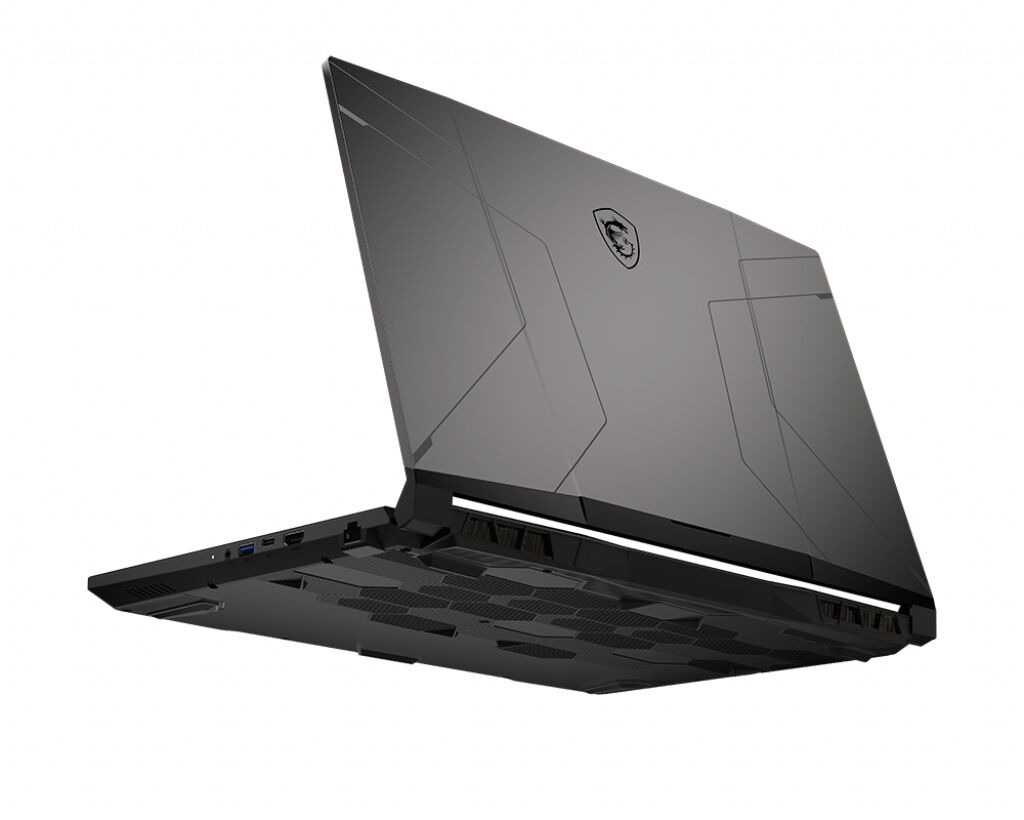
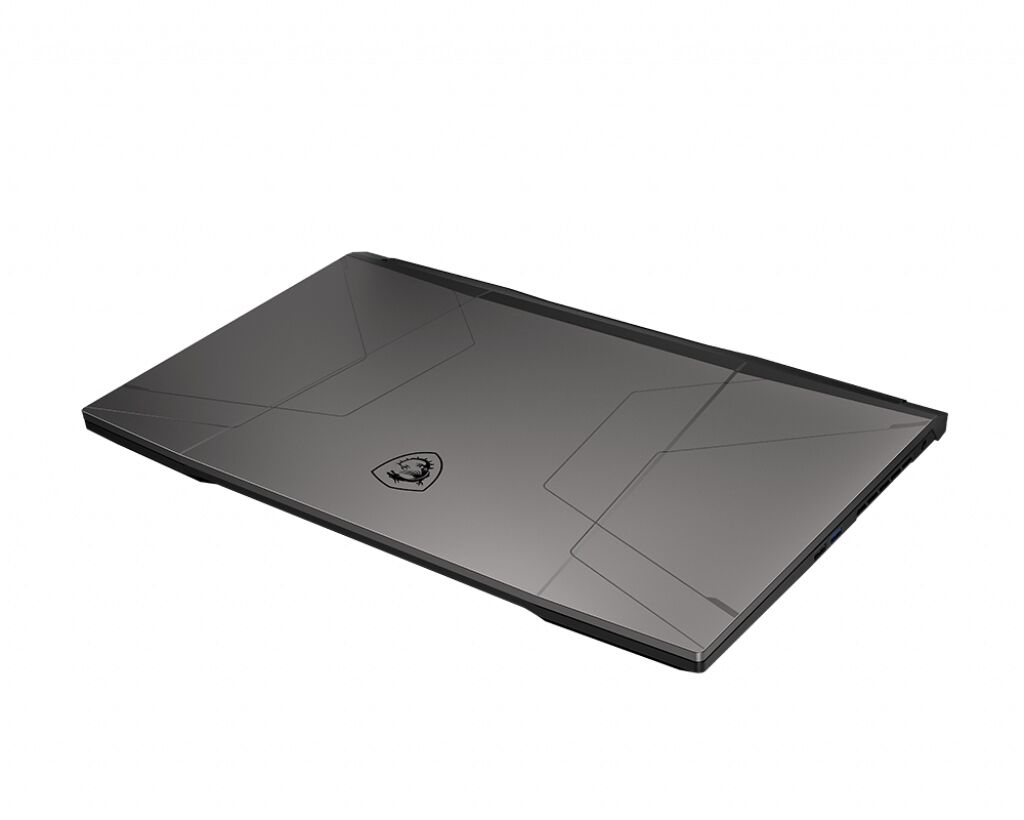
The MSI GL76 12UEK-040FR Pulse gaming laptop features DDR4-SDRAM memory upgrade specifications with two SO-DIMM slots supporting maximum RAM capacity of 64 GB. Compatible memory modules operate at 3200 MHz frequency. The upgrade configuration allows for memory expansion beyond factory-installed capacity. SO-DIMM form factor specifications determine compatible upgrade options. Maximum supported memory capacity reaches 64 GB across both available slots. Specifications indicate the GL76 Pulse series supports DDR4 technology for performance upgrades and enhanced multitasking capabilities.
Memory Upgrade Specifications
| Specification | Value |
|---|---|
| Memory slots | 2x SO-DIMM |
| Form factor | SO-DIMM |
| Memory type | DDR4-SDRAM |
| Frequency | 3200 MHz |
| Maximum RAM | 64 GB |
| Voltage | 1.2V |
| Number of pins | 260-pin |
| Interface | PC4 |
| PC Speed Rating | PC4-3200 (PC4-25600) |
| Bandwidth | 25.6 GB/s |
| Laptop Release date | 31 December 2021 |
Additional Notes
- The MSI GL76 12UEK-040FR Pulse contains 2 SO-DIMM slots operating in dual-channel configuration, which means memory upgrades must be installed in pairs to maintain symmetric bandwidth and prevent single-channel performance degradation.
- DDR4-3200 modules are mature commodity components with wide availability and competitive pricing, but newer DDR5 memory is incompatible with this platform's controller, locking the system into DDR4 ecosystem constraints through its lifecycle.
- The 64 GB ceiling (2x32 GB modules) represents the practical maximum; individual SO-DIMM modules exceeding 32 GB capacity do not exist in DDR4 form factor, making this an absolute upgrade limit rather than a soft constraint.
- Upgrading to 32 GB per slot requires sourcing SO-DIMM components rated for 3200 MHz minimum; lower-frequency modules will operate but introduce latency penalties and may trigger BIOS compatibility warnings depending on SPD profiles.
- Installation of mismatched memory densities (for example, one 8 GB and one 16 GB module) will function but force the system to operate in asymmetric mode, reducing effective bandwidth to single-channel speeds on the populated channel with lower capacity.
- SO-DIMM modules occupy significantly less physical space than UDIMM counterparts; the compact form factor may complicate heatspreader clearance if upgrading to high-performance binned modules with aggressive thermal solutions.
- Warranty coverage for memory upgrades typically requires components purchased through authorized channels; third-party modules may trigger support restrictions even if hardware compatibility is confirmed.