MSI Gaming GL76 12UGK-216CA Pulse RAM upgrade specifications
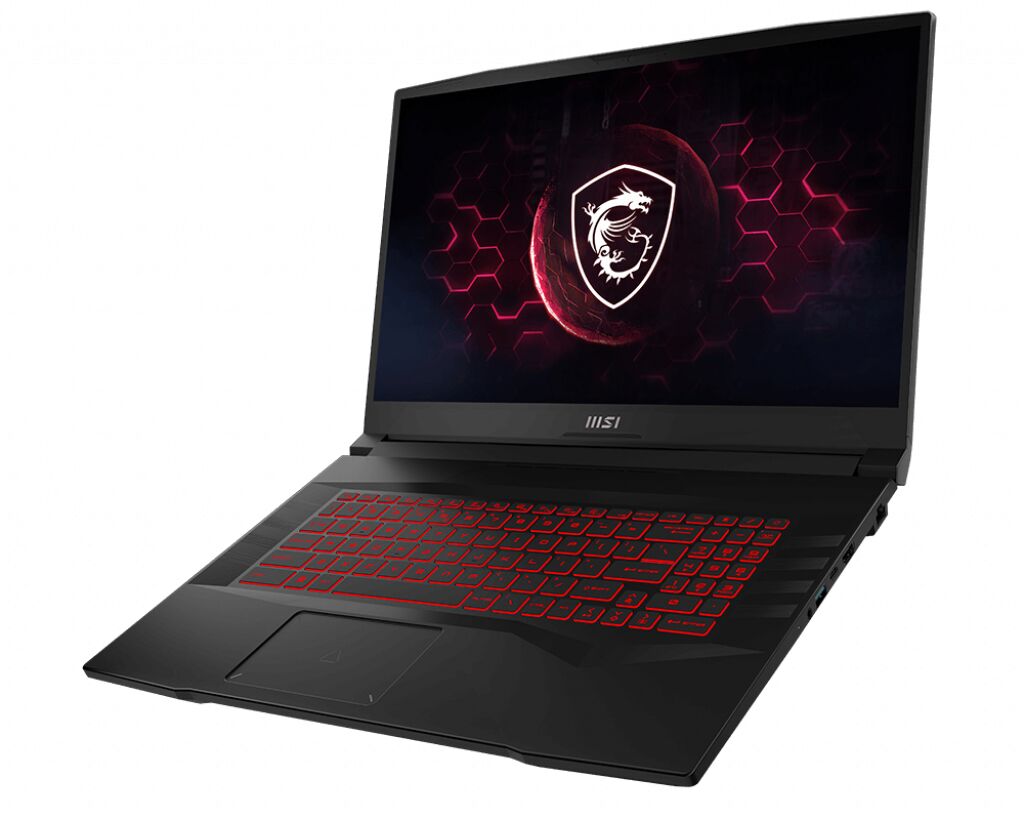
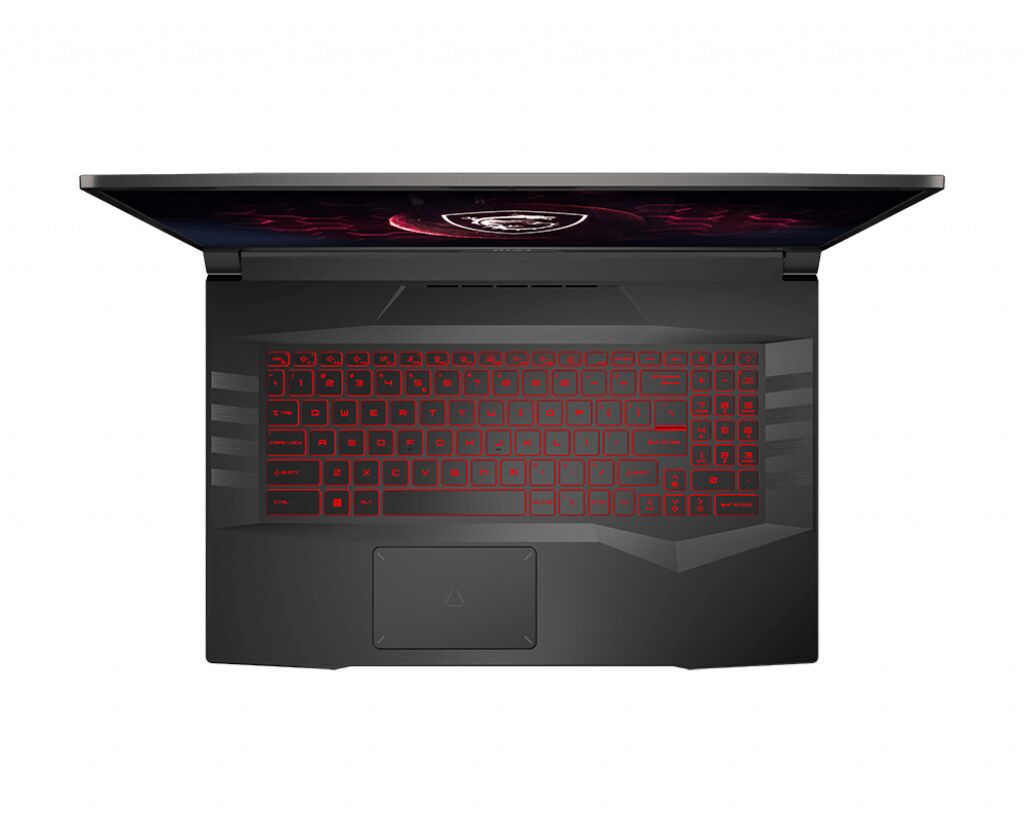
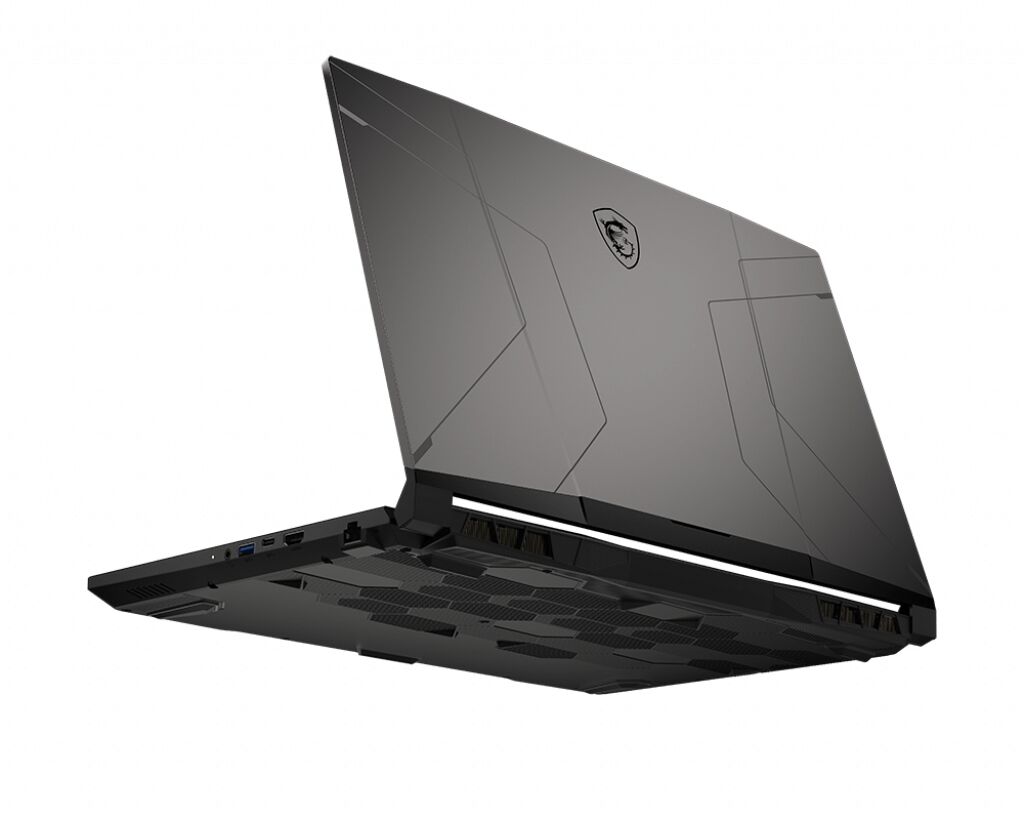
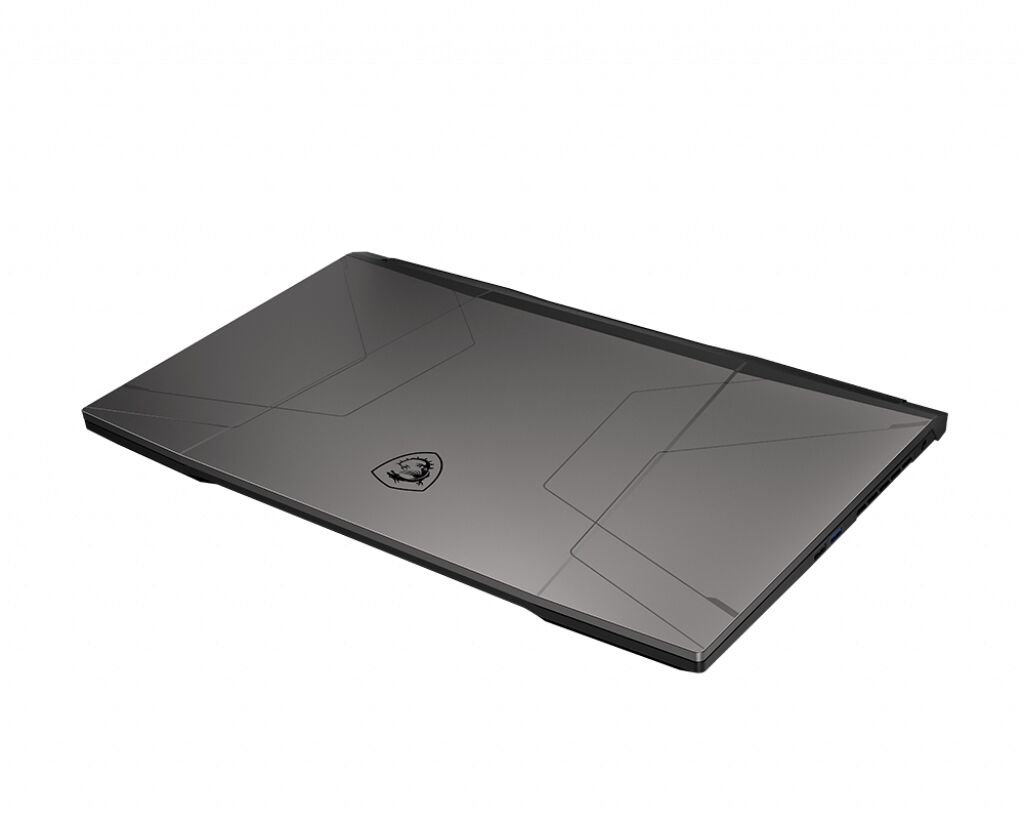
MSI GL76 12UGK-216CA Pulse gaming laptop supports DDR4-SDRAM memory upgrades through 2x SO-DIMM slots. Maximum RAM capacity reaches 64 GB, with compatible memory operating at 3200 MHz frequency. The SO-DIMM form factor enables memory expansion for enhanced multitasking and performance. Specifications indicate support for DDR4 upgrade modules meeting GL series Gaming family requirements and GL76 model compatibility standards.
Memory Upgrade Specifications
| Specification | Value |
|---|---|
| Memory slots | 2x SO-DIMM |
| Form factor | SO-DIMM |
| Memory type | DDR4-SDRAM |
| Frequency | 3200 MHz |
| Maximum RAM | 64 GB |
| Voltage | 1.2V |
| Number of pins | 260-pin |
| Interface | PC4 |
| PC Speed Rating | PC4-3200 (PC4-25600) |
| Bandwidth | 25.6 GB/s |
| Laptop Release date | 17 March 2022 |
Additional Notes
- The MSI GL76 12UGK-216CA Pulse SO-DIMM configuration requires laptop-specific memory modules rather than desktop DIMMs, limiting availability to vendors stocking mobile components.
- DDR4-SDRAM at 3200 MHz represents JEDEC standard rather than XMP profiles, ensuring automatic speed recognition without BIOS configuration.
- The 64 GB maximum capacity restricts memory-intensive applications like virtual machine clusters or large dataset processing compared to workstation alternatives supporting 128 GB or higher.
- Dual-slot configuration forces users to discard existing modules when upgrading beyond initial capacity, unlike 4-slot systems allowing incremental expansion.
- Operating dual-channel architecture requires matched pairs for optimal bandwidth utilization, with mismatched modules forcing the system to lowest common denominator speeds.
- SO-DIMM installation typically requires bottom panel removal and potential warranty seal disruption depending on manufacturer access design.
- 3200 MHz frequency represents current-generation ceiling for DDR4 laptop standards, eliminating headroom for overclocking beyond rated specifications.
- Single-rank versus dual-rank module selection impacts available capacity per slot, with 32 GB modules requiring dual-rank configuration that may affect stability in certain chipset implementations.
- Mixed-brand memory configurations may cause POST failures or stability issues despite identical specifications due to IC manufacturer variations in timing subtables.
- Thermal constraints in gaming chassis designs can throttle performance if high-density modules generate excessive heat during sustained workloads.