MSI Gaming Pulse GL66 11UCK-1256AU RAM upgrade specifications
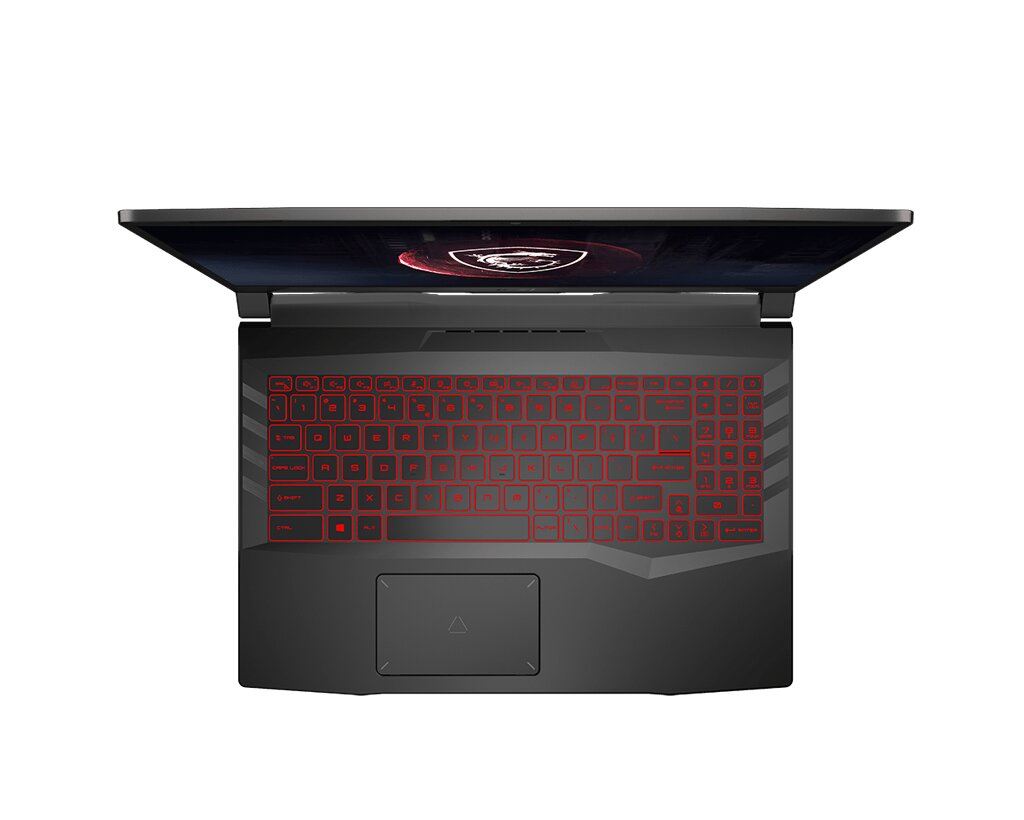
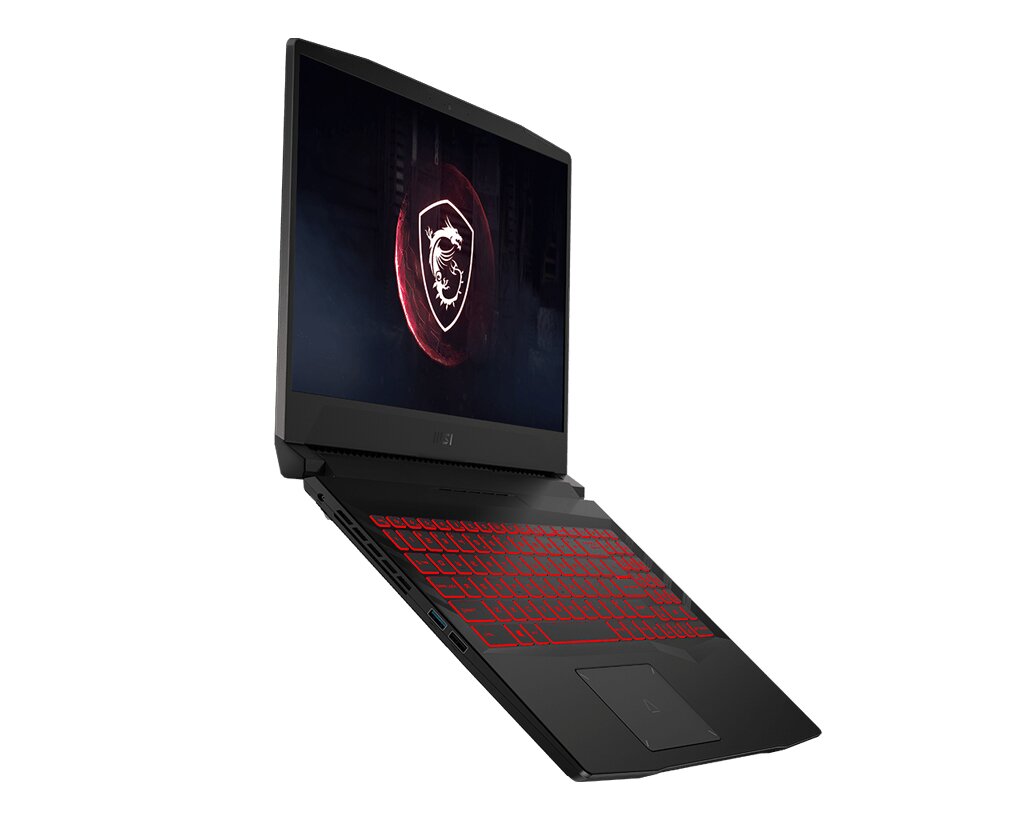
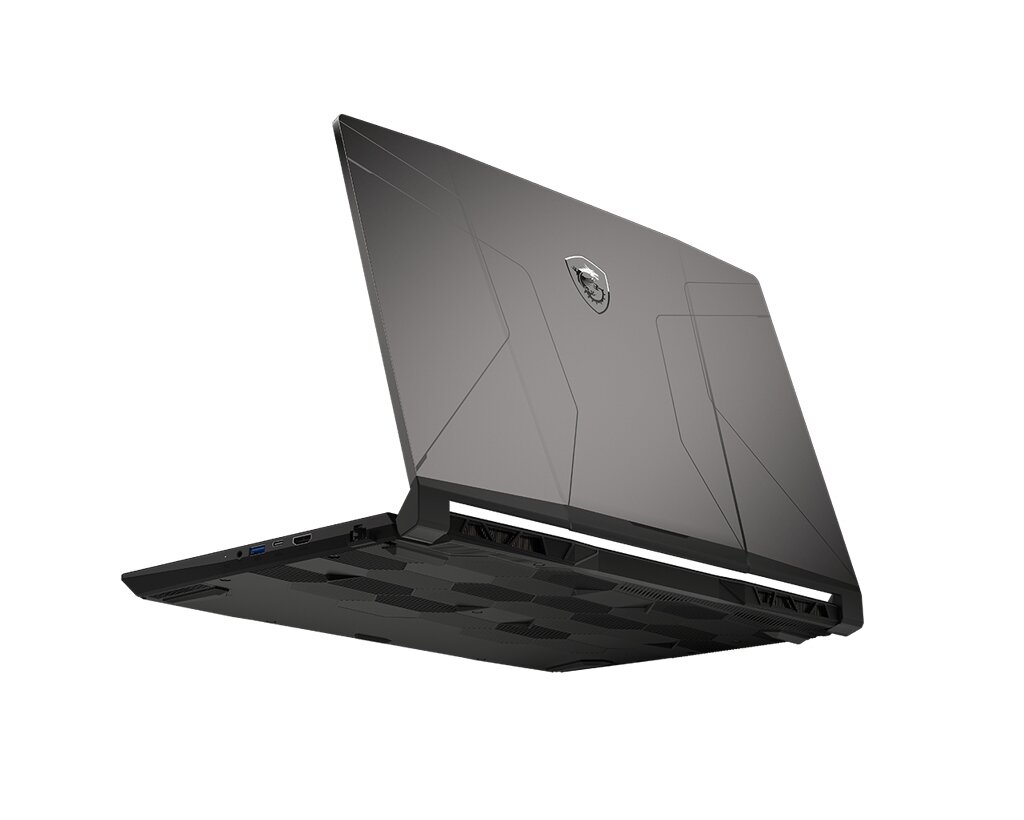
The MSI Pulse GL66 11UCK-1256AU gaming laptop features DDR4-SDRAM memory upgrade capabilities with two SO-DIMM slots supporting maximum RAM capacity of 64 GB. Compatible memory modules operate at 3200 MHz frequency. The Pulse GL66 series accommodates SO-DIMM form factor upgrades for enhanced multitasking and performance optimization. Specifications indicate expansion potential through dual memory slots, enabling users to increase system RAM beyond factory configurations. Maximum specifications allow configuration up to 64 GB total capacity for this Gaming family model.
Memory Upgrade Specifications
| Specification | Value |
|---|---|
| Memory slots | 2x SO-DIMM |
| Form factor | SO-DIMM |
| Memory type | DDR4-SDRAM |
| Frequency | 3200 MHz |
| Maximum RAM | 64 GB |
| Voltage | 1.2V |
| Number of pins | 260-pin |
| Interface | PC4 |
| PC Speed Rating | PC4-3200 (PC4-25600) |
| Bandwidth | 25.6 GB/s |
| Laptop Release date | 22 July 2022 |
Additional Notes
- The SO-DIMM form factor restricts module thickness to standard laptop dimensions, eliminating compatibility with desktop-class DIMM memory despite identical DDR4 technology.
- The 3200 MHz specification represents JEDEC standard operation rather than XMP overclocking, ensuring stability without BIOS adjustments in the MSI Pulse GL66 11UCK-1256AU.
- Dual-channel architecture activation requires matched module capacities across both SO-DIMM slots, as asymmetric configurations force single-channel operation with halved memory bandwidth.
- The 64 GB ceiling indicates PCB trace design and chipset addressing limitations specific to 11th generation Intel mobile platforms, regardless of theoretical DDR4 capacity support.
- Rank configuration becomes critical at higher capacities, where dual-rank modules may encounter stability issues if the memory controller lacks support for 4 total ranks across 2 slots.
- CAS latency ratings interact with the 3200 MHz frequency specification, where CL22 modules introduce 13.75 nanoseconds actual latency versus 12.5 nanoseconds for CL20, affecting application responsiveness.
- Voltage specification defaults to JEDEC standard 1.2V for DDR4, where higher-voltage enthusiast modules risk thermal throttling within confined laptop cooling systems.
- Module height variations within SO-DIMM standards can create physical interference with keyboard assemblies or thermal solutions in compact gaming laptop chassis designs.
- Mixing manufacturer specifications across the 2 slots introduces potential timing conflicts, as SPD profile differences force the memory controller to conservative fallback speeds below 3200 MHz.
- Warranty preservation typically requires manufacturer-approved memory configurations, where documented 64 GB maximum support provides safe upgrade boundaries without voiding service agreements.
- The absence of ECC support in consumer DDR4-SDRAM means uncorrected bit errors remain possible during operation, though statistical probability remains low in typical gaming workloads.