MSI Gaming Pulse GL66 12UGK-470CA RAM upgrade specifications

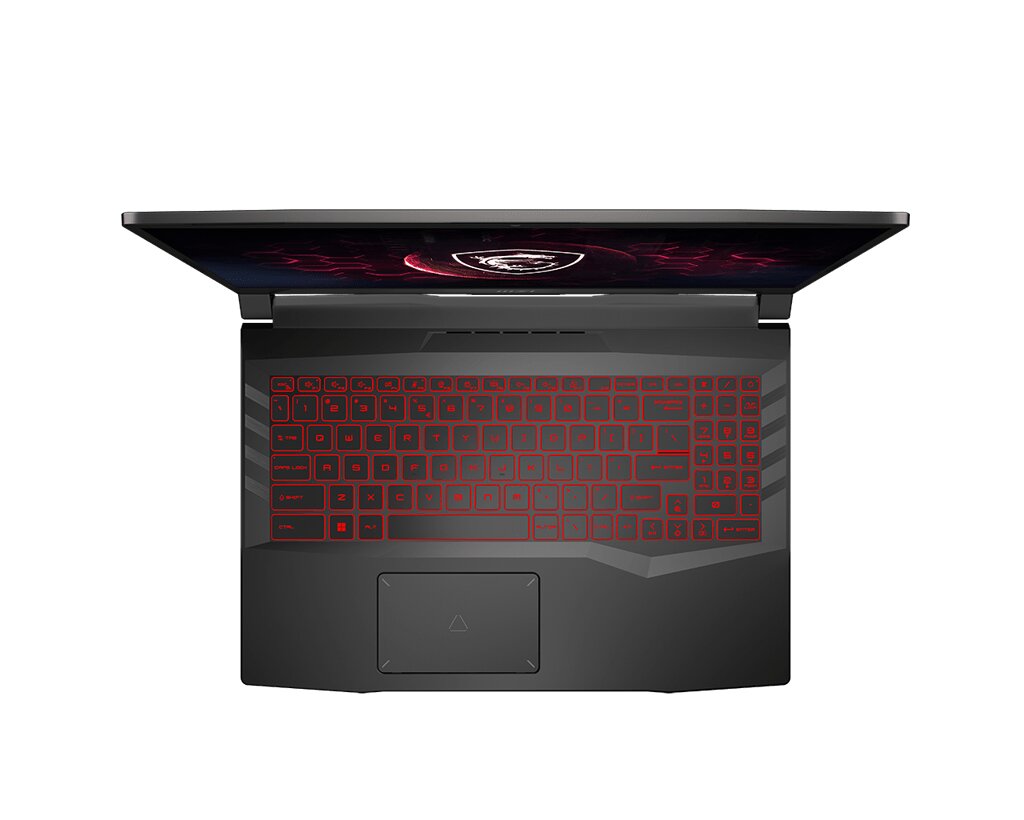
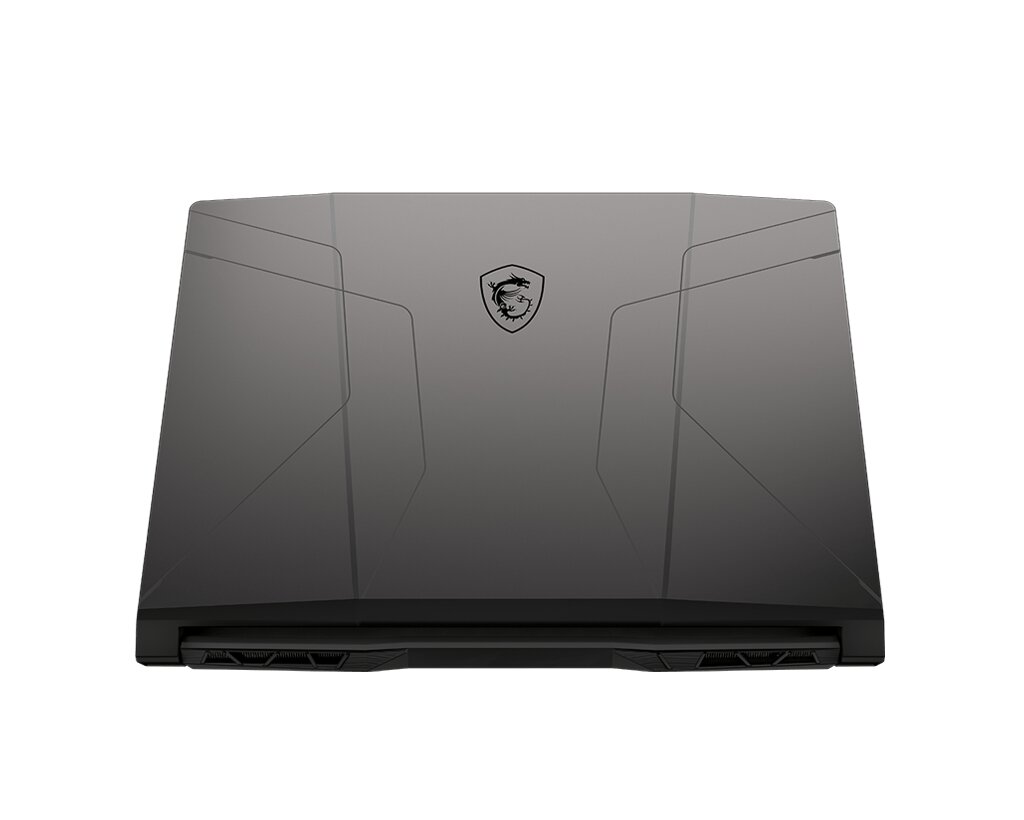
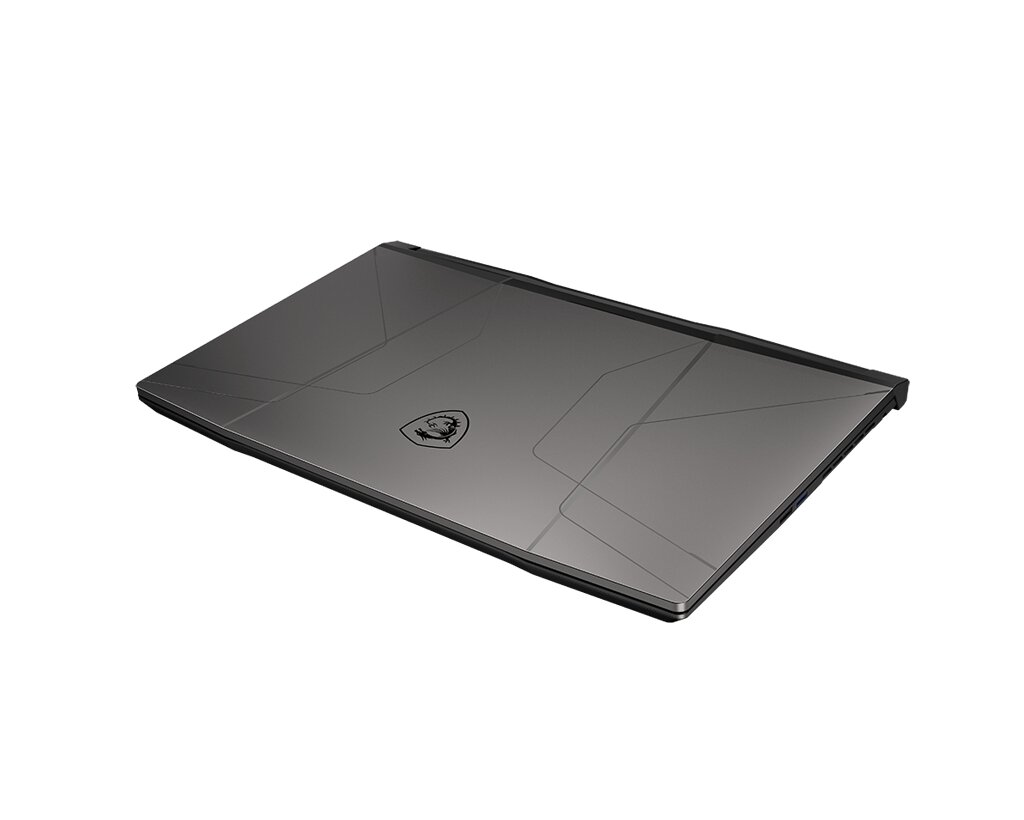
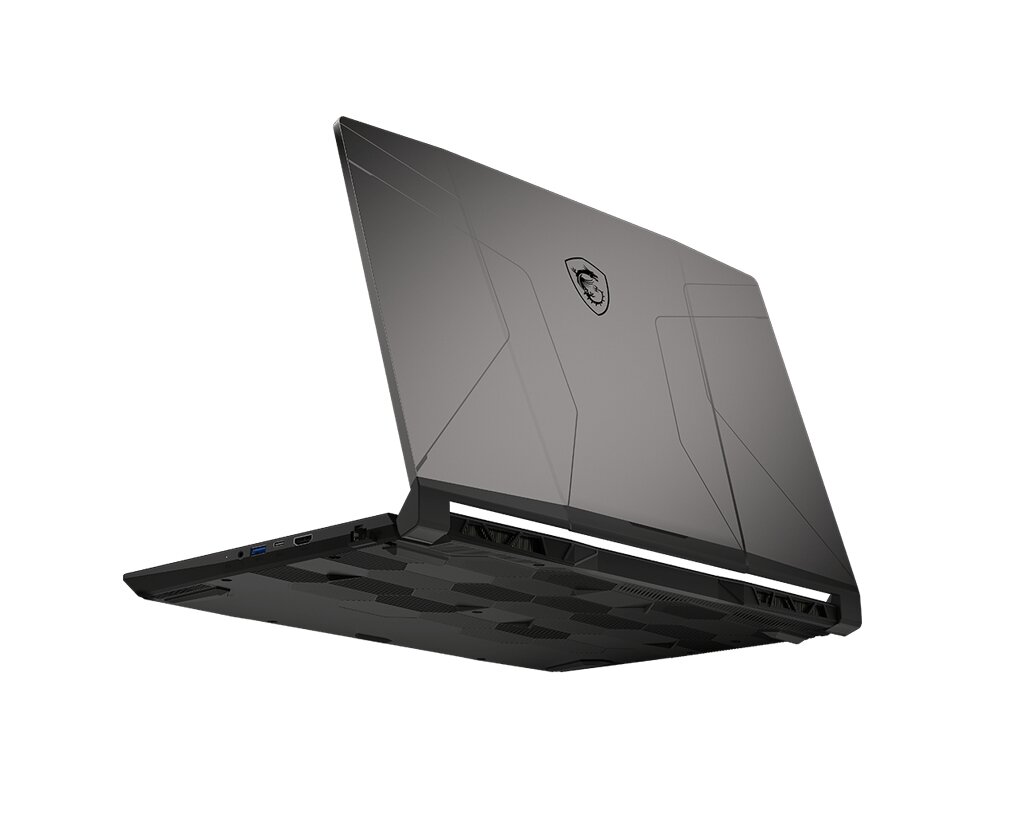
The MSI Pulse GL66 12UGK-470CA gaming laptop features DDR4-SDRAM memory upgrade specifications with two SO-DIMM slots supporting maximum capacity of 64 GB. Compatible memory modules operate at 3200 MHz frequency. The Gaming GL series supports DDR4 memory upgrades via dual SO-DIMM slots, enabling users to expand RAM capacity from the factory configuration up to the 64 GB maximum specification. Memory upgrade compatibility requires DDR4-SDRAM modules rated for 3200 MHz operation on the Pulse GL66 12UGK-470CA platform.
Memory Upgrade Specifications
| Specification | Value |
|---|---|
| Memory slots | 2x SO-DIMM |
| Form factor | SO-DIMM |
| Memory type | DDR4-SDRAM |
| Frequency | 3200 MHz |
| Maximum RAM | 64 GB |
| Voltage | 1.2V |
| Number of pins | 260-pin |
| Interface | PC4 |
| PC Speed Rating | PC4-3200 (PC4-25600) |
| Bandwidth | 25.6 GB/s |
| Laptop Release date | 16 April 2023 |
Additional Notes
- Dual channel mode functionality requires installing memory modules in matching pairs to avoid single channel bandwidth limitations during intensive gaming tasks.
- The MSI Pulse GL66 12UGK-470CA utilizes a mobile chipset that lacks support for older DDR3 or newer DDR5 architectures due to physical pin configuration and voltage differences.
- Reaching the 64 GB threshold necessitates the removal of all factory installed modules because the system board lacks additional vacant expansion headers.
- Integrated graphics processing relies on shared system memory and benefits from lower latency timings often found in premium aftermarket 3200 MHz modules.
- Installation of high capacity modules potentially increases internal heat generation within the compact SO-DIMM housing area under sustained workloads.
- Using modules with speeds exceeding 3200 MHz results in automatic downclocking to match the maximum hardware clock cycles supported by the processor architecture.
- Physical access to the internal components typically requires the removal of the entire bottom chassis panel which involves navigating plastic clips and internal heat pipes.