MSI Gaming Pulse GL76 12UEK-426XPT RAM upgrade specifications
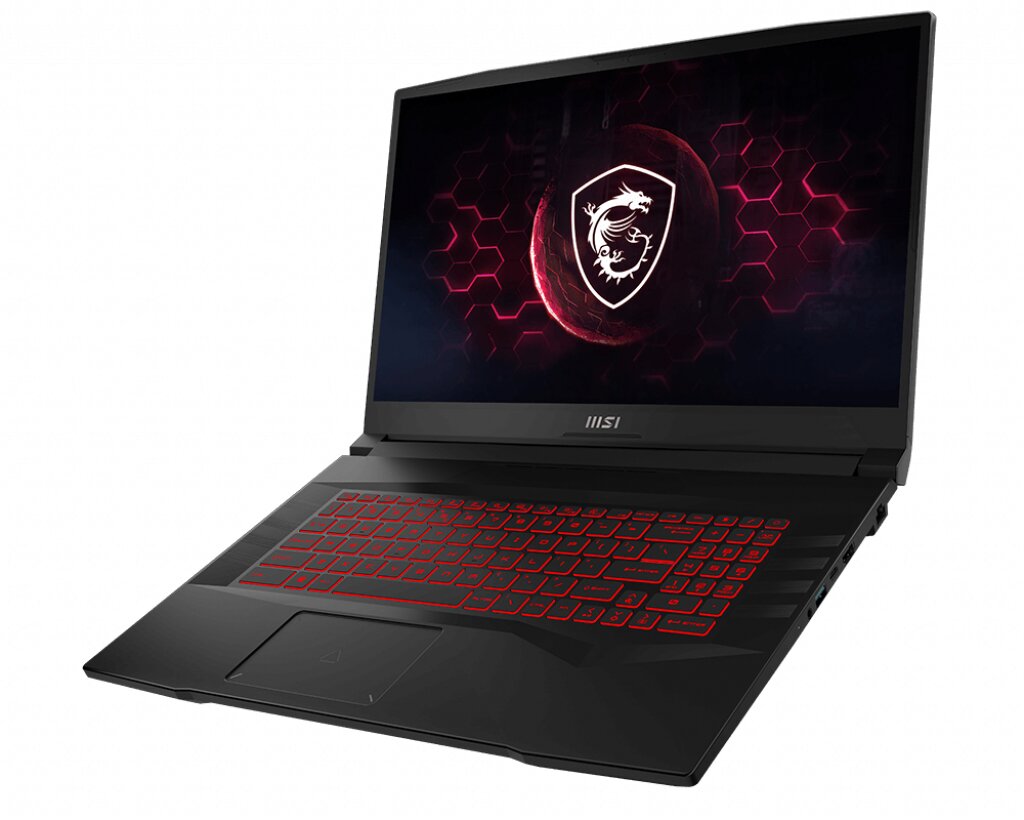
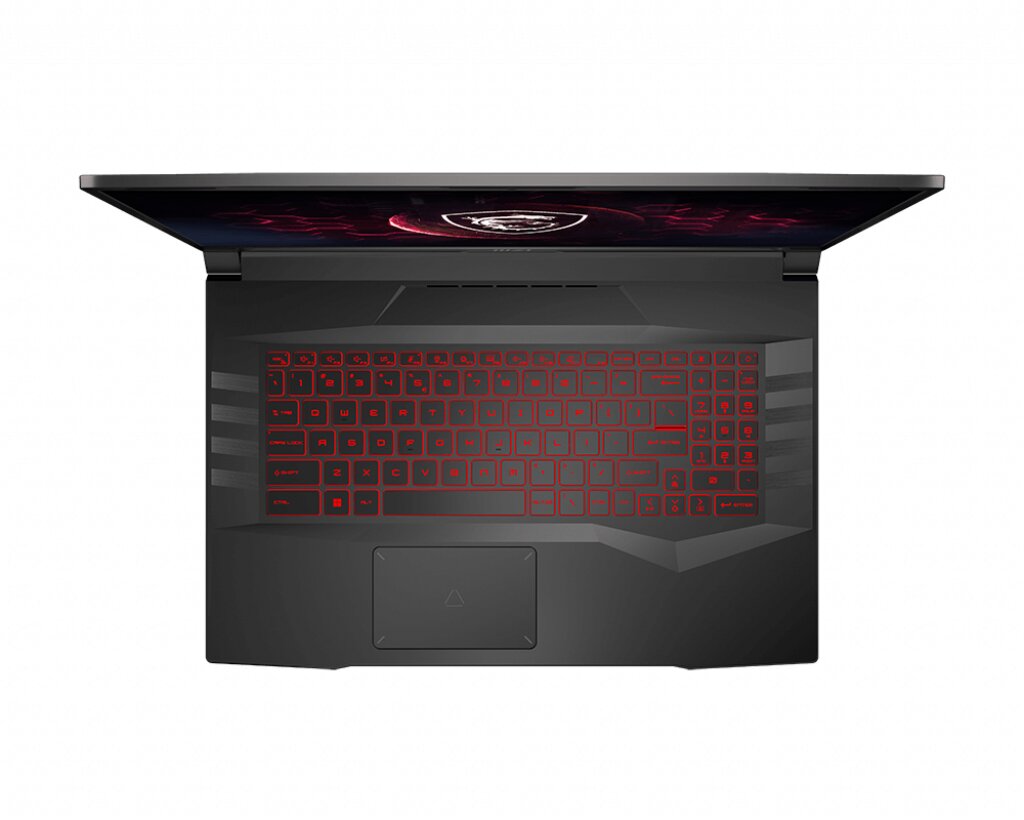
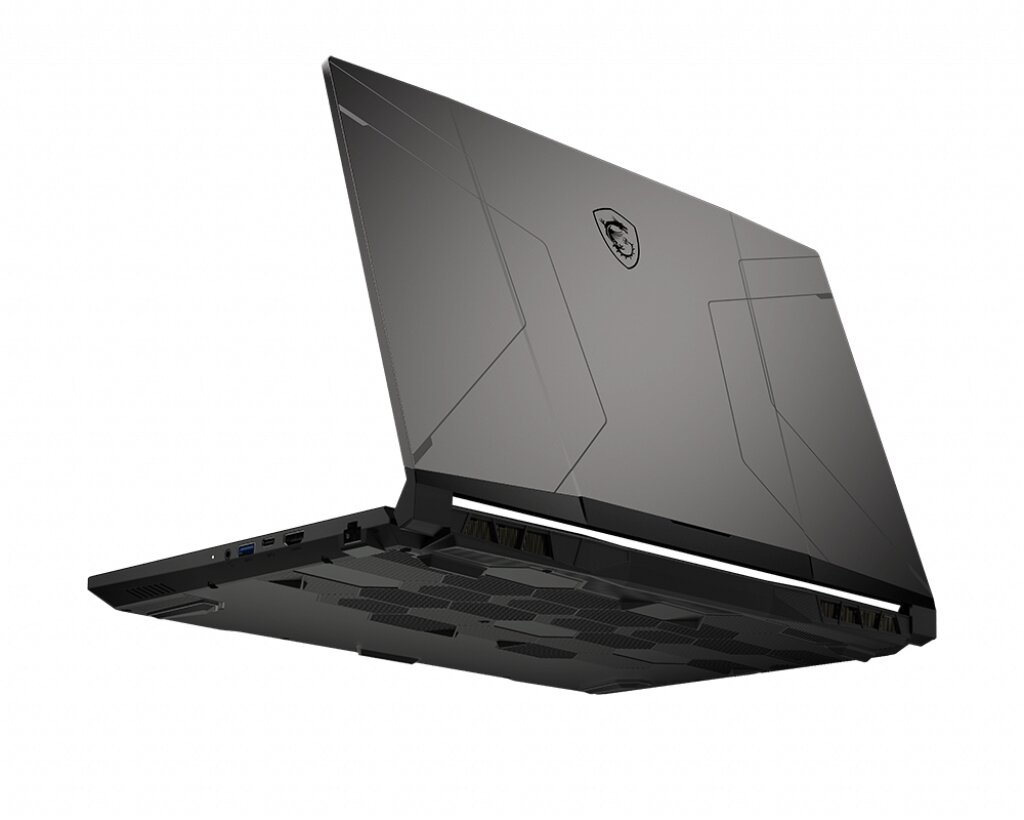
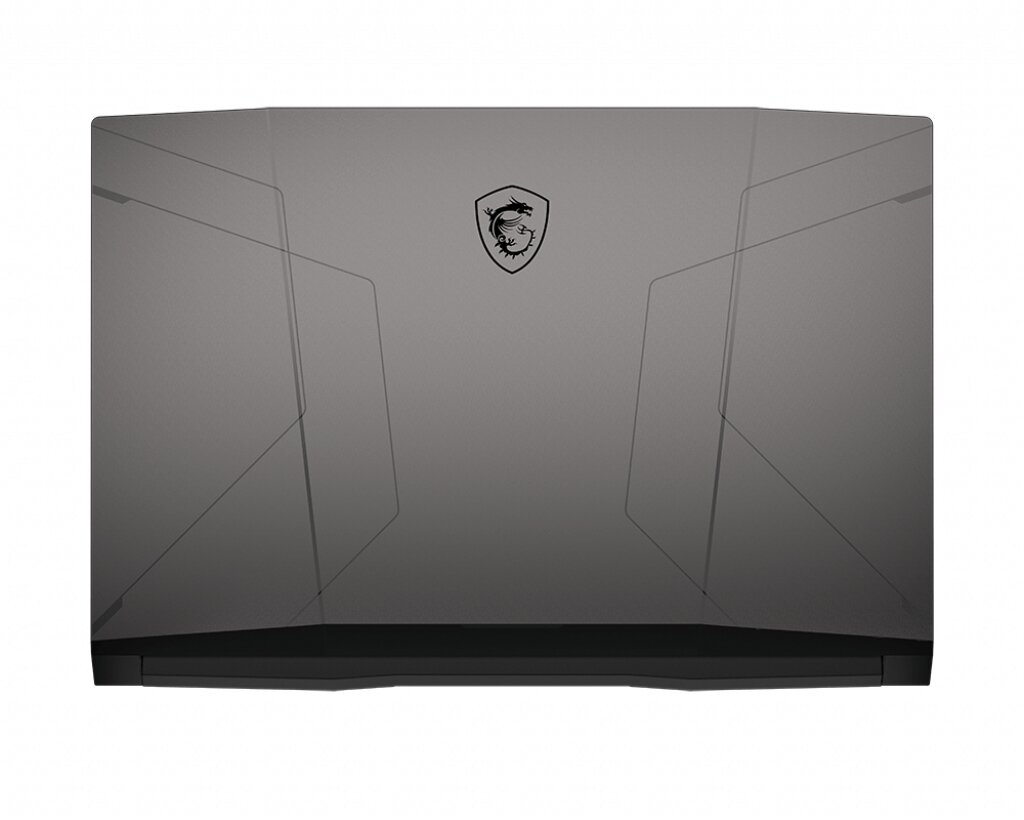
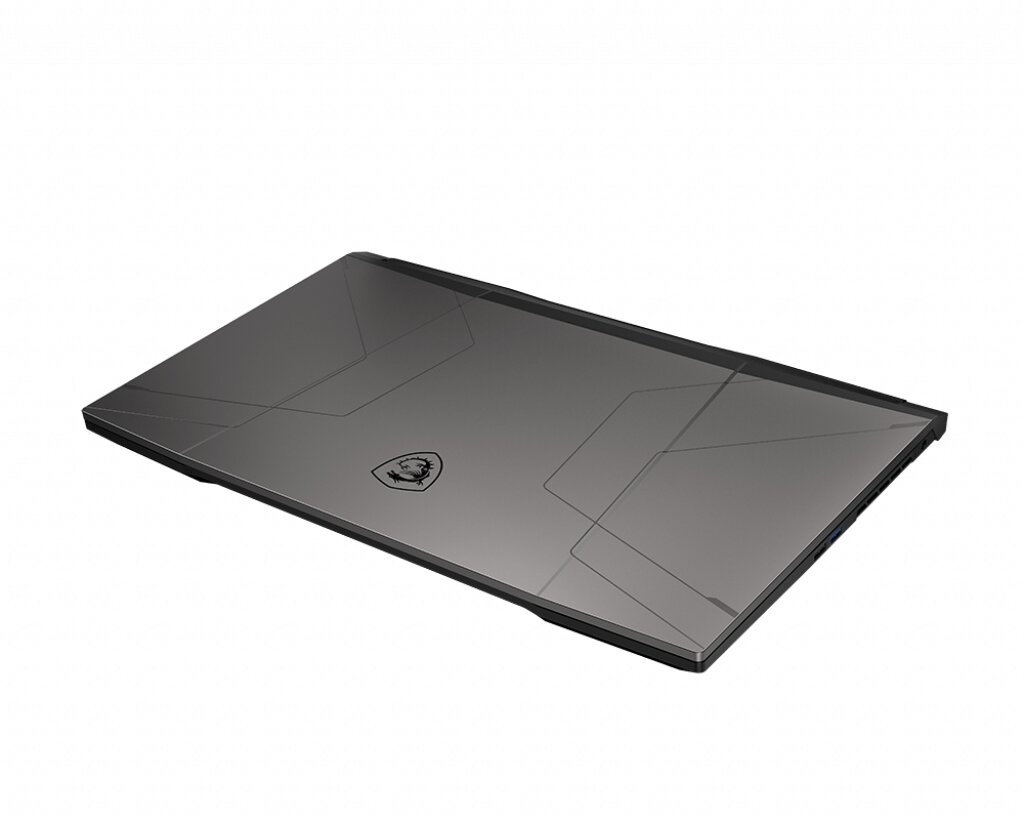
The MSI Pulse GL76 12UEK-426XPT gaming laptop features DDR4-SDRAM memory upgrade specifications with 2x SO-DIMM slots supporting maximum RAM capacity of 64 GB. Compatible memory modules operate at 3200 MHz frequency using SO-DIMM form factor. Specifications indicate the GL Series model accepts DDR4 upgrades, allowing users to expand memory capacity beyond factory configuration. Maximum memory upgrade potential reaches 64 GB total across available slots.
Memory Upgrade Specifications
| Specification | Value |
|---|---|
| Memory slots | 2x SO-DIMM |
| Form factor | SO-DIMM |
| Memory type | DDR4-SDRAM |
| Frequency | 3200 MHz |
| Maximum RAM | 64 GB |
| Voltage | 1.2V |
| Number of pins | 260-pin |
| Interface | PC4 |
| PC Speed Rating | PC4-3200 (PC4-25600) |
| Bandwidth | 25.6 GB/s |
| Laptop Release date | 09 January 2023 |
Additional Notes
- The MSI Pulse GL76 12UEK-426XPT supports dual-channel memory configuration through its 2 SO-DIMM slots, enabling theoretical bandwidth of 51.2 GB/s when both slots are populated with matched modules.
- Upgrading to a single module configuration will force the system into single-channel mode, halving memory bandwidth and potentially reducing frame rates in GPU-intensive games by 5 to 15 percent.
- Each slot accepts modules up to 32 GB capacity, requiring newer high-density chips that may cost significantly more per gigabyte than standard 8 GB or 16 GB modules.
- SO-DIMM modules physically differ from standard DIMM desktop memory through their 260-pin connector versus 288-pin, making desktop memory incompatible despite matching specifications.
- The 3200 MHz specification represents JEDEC standard DDR4 speeds, eliminating the need for XMP profile activation and ensuring plug-and-play compatibility with JEDEC-compliant modules.
- Installing modules with mismatched frequencies will force both modules to operate at the slower speed, negating any performance advantage from higher-rated memory.
- Memory access latency varies between manufacturers despite identical speed ratings, with CAS latencies ranging from CL22 to CL16 affecting real-world application responsiveness by 2 to 8 percent.
- The DDR4 standard requires 1.2V operation, though some modules may default to 1.35V and require BIOS adjustment to prevent potential stability issues or shortened component lifespan.
- Accessing the memory slots typically requires bottom panel removal, which may void warranty seals depending on regional consumer protection laws and manufacturer policies.
- Mixed-capacity configurations such as 8 GB plus 16 GB will function but may prevent Intel Flex Mode from optimizing the full capacity for dual-channel operation.
- The chipset's memory controller determines actual achievable frequency, and while rated for 3200 MHz, some configurations may require BIOS updates to maintain stability at advertised speeds.
- Non-ECC unbuffered memory is standard for this consumer platform, as ECC modules are physically incompatible with the SO-DIMM slot pinout and chipset memory controller.