MSI Gaming GP62M 7REX Leopard Pro RAM upgrade specifications
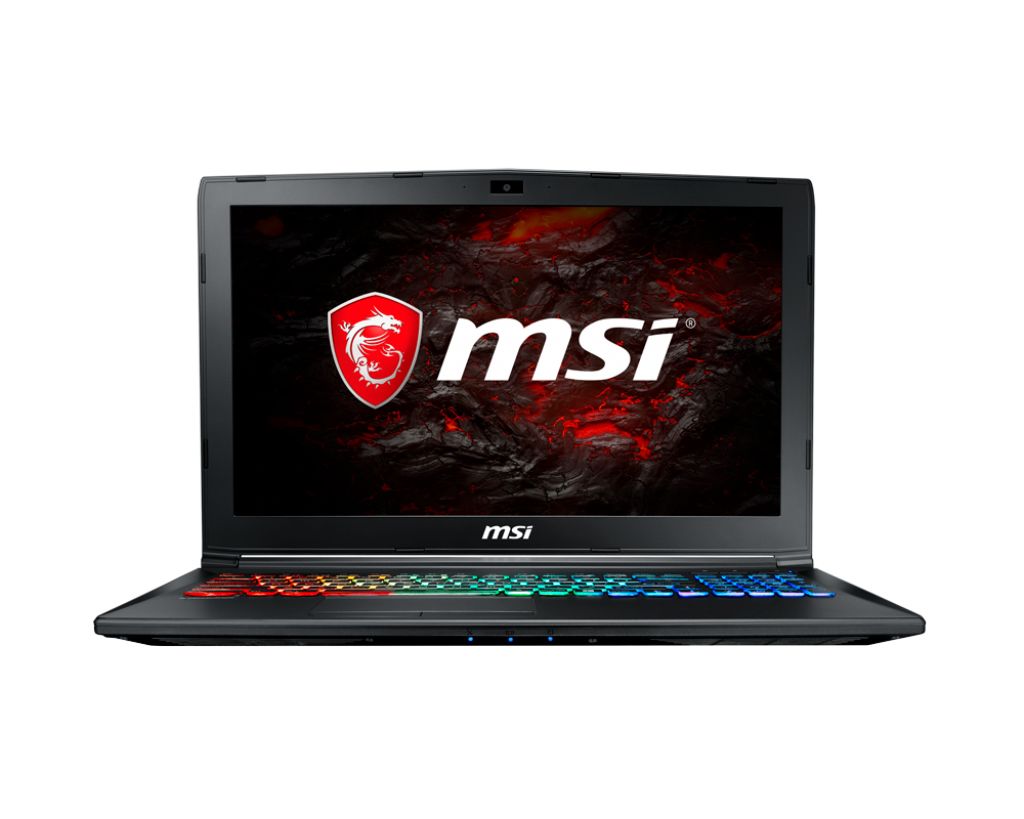
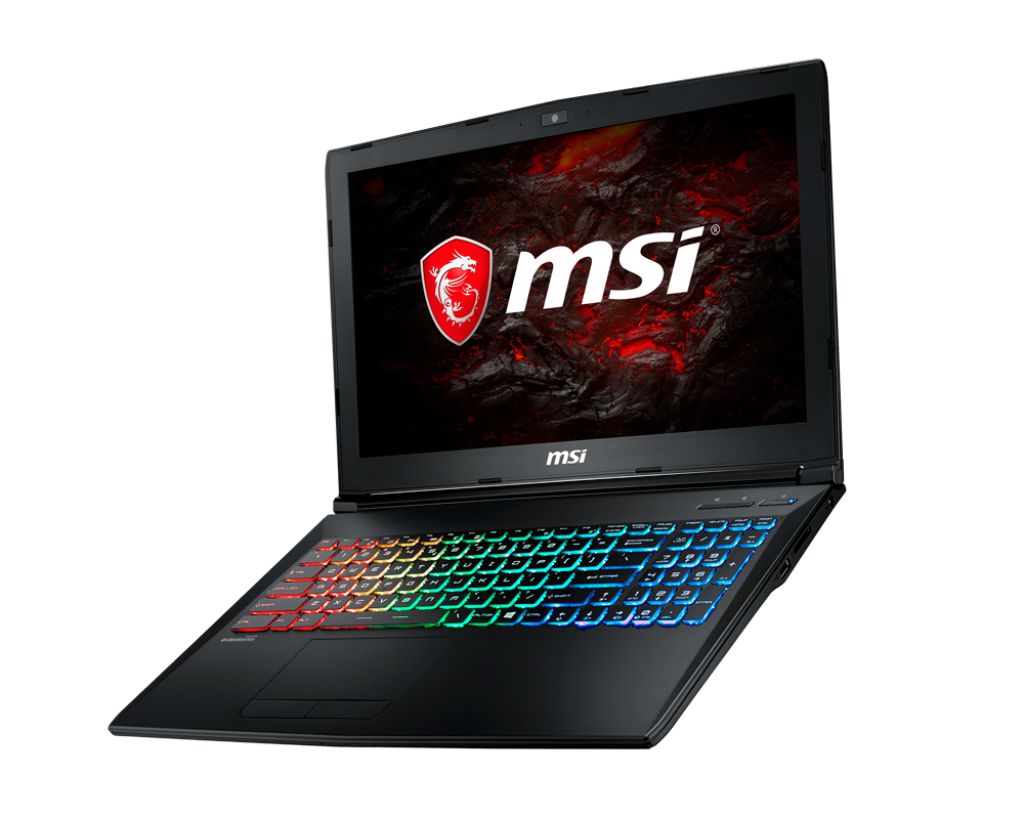
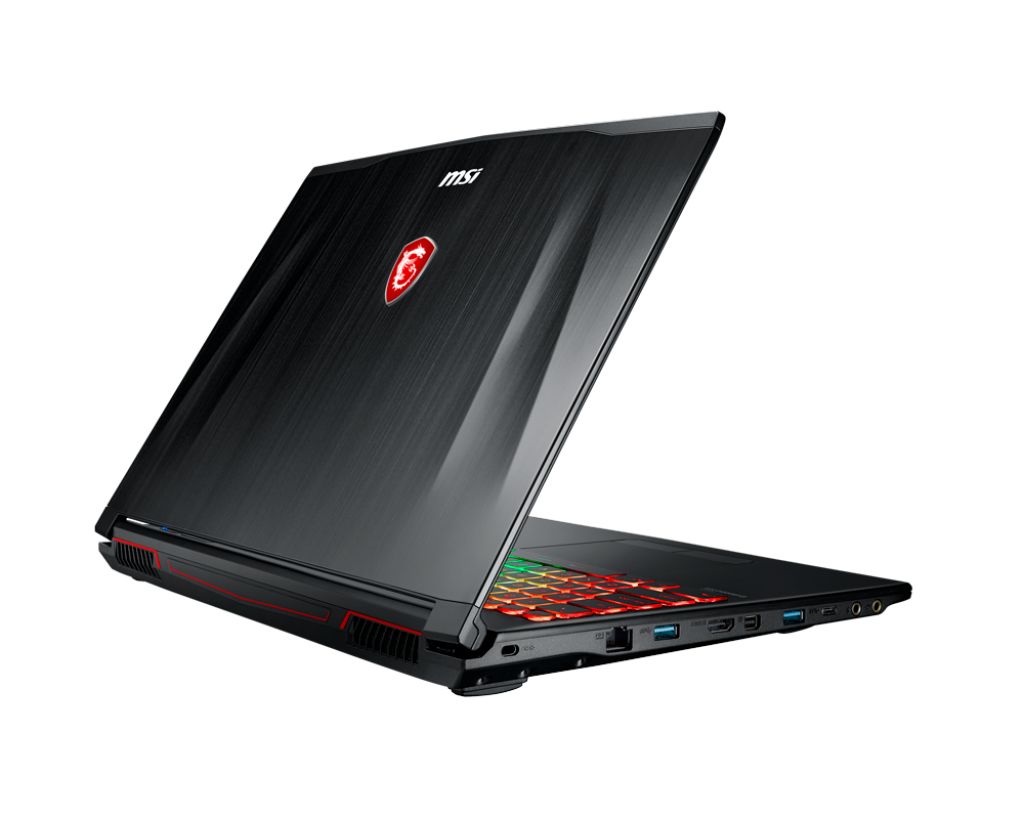
The MSI GP62M 7REX Leopard Pro gaming laptop contains two SO-DIMM memory slots supporting DDR4-SDRAM upgrades at 2400 MHz frequency. The maximum RAM capacity for this GP series model is 32 GB total. Compatible memory modules must utilize the SO-DIMM form factor specifications. RAM upgrade configurations allow users to expand the laptop's memory capacity by replacing or adding DDR4 modules within the available dual-slot architecture for enhanced performance.
Memory Upgrade Specifications
| Specification | Value |
|---|---|
| Memory slots | 2x SO-DIMM |
| Form factor | SO-DIMM |
| Memory type | DDR4-SDRAM |
| Frequency | 2400 MHz |
| Maximum RAM | 32 GB |
| Voltage | 1.2V |
| Number of pins | 260-pin |
| Interface | PC4 |
| PC Speed Rating | PC4-2400 (PC4-19200) |
| Bandwidth | 19.2 GB/s |
| Laptop Release date | 30 April 2018 |
Additional Notes
- The MSI GP62M 7REX Leopard Pro operates under Intel 7th generation chipset limitations, which cap dual-channel configurations at 32 GB total despite DDR4 technology theoretically supporting higher capacities.
- DDR4-2400 represents the JEDEC standard speed tier, meaning modules rated at higher frequencies will downclock to 2400 MHz when installed, rendering any premium paid for faster RAM functionally wasted.
- SO-DIMM form factor compatibility restricts users to laptop-specific memory modules, which typically cost 15-30% more per gigabyte than equivalent desktop DIMM counterparts with identical specifications.
- Dual-slot configuration allows asymmetric population, though operating in single-channel mode with one module halves memory bandwidth from approximately 38.4 GB/s to 19.2 GB/s, creating bottlenecks in GPU-intensive gaming scenarios.
- The 260-pin SO-DIMM standard requires precise insertion angle during installation, as forcing modules straight down can damage the retention clips or socket pins beyond economical repair.
- Memory upgrades preserve manufacturer warranty coverage since RAM replacement does not involve breaking factory seals on soldered components, unlike CPU or dedicated graphics modifications.
- Mixed-capacity configurations remain stable in this architecture, enabling cost-phased upgrades such as pairing an 8 GB module with a 16 GB module to reach 24 GB without replacing existing components.
- Voltage specification defaults to 1.2V for DDR4-2400, eliminating compatibility concerns with low-voltage variants while ensuring thermal output remains within the cooling system's design parameters.
- The 2400 MHz frequency ceiling means CAS latency differences between budget and premium modules produce negligible real-world performance gaps, typically under 2% in memory-sensitive workloads.
- Accessing memory slots requires removing the bottom panel assembly, which on this chassis design involves navigating 12-14 retention screws of potentially varying lengths that must be reinstalled in original positions.