MSI Gaming GP62M 7REX-1640AU Leopard Pro RAM upgrade specifications

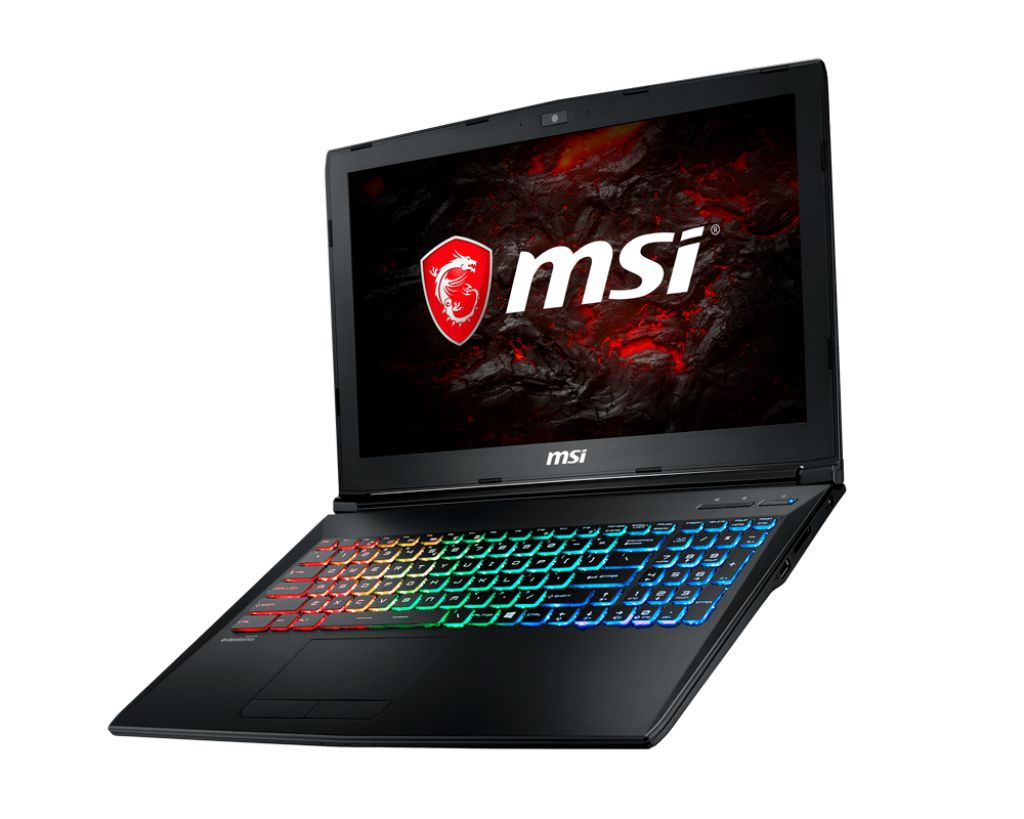
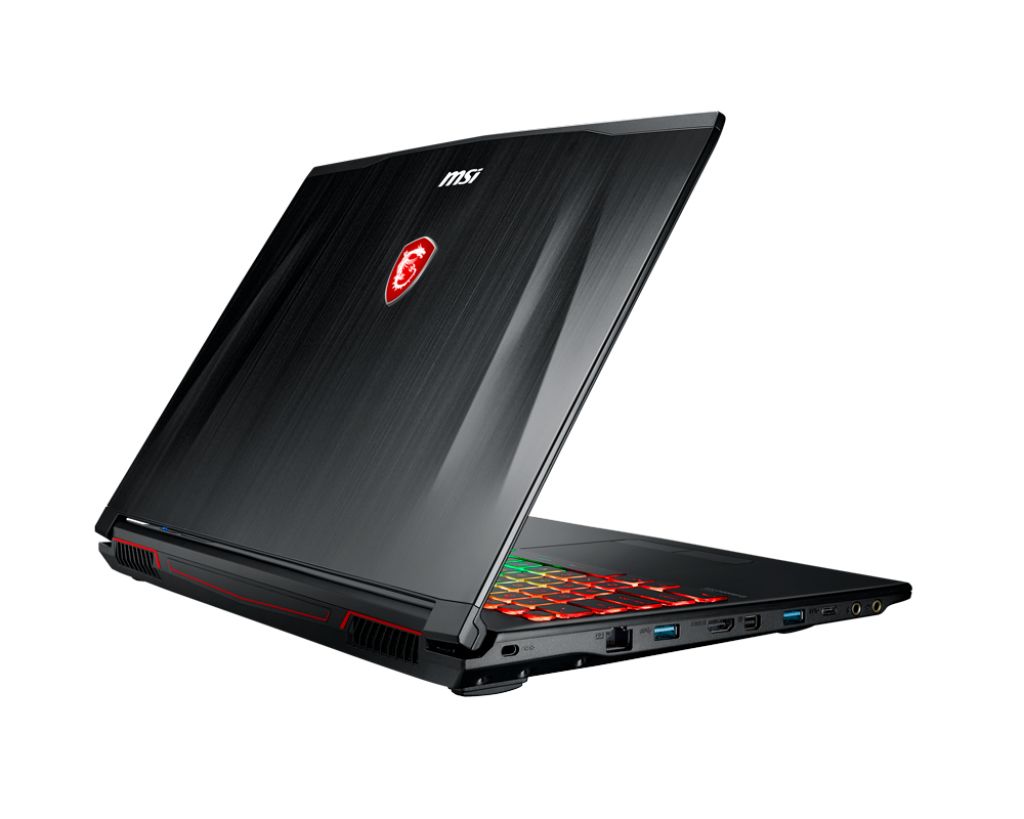
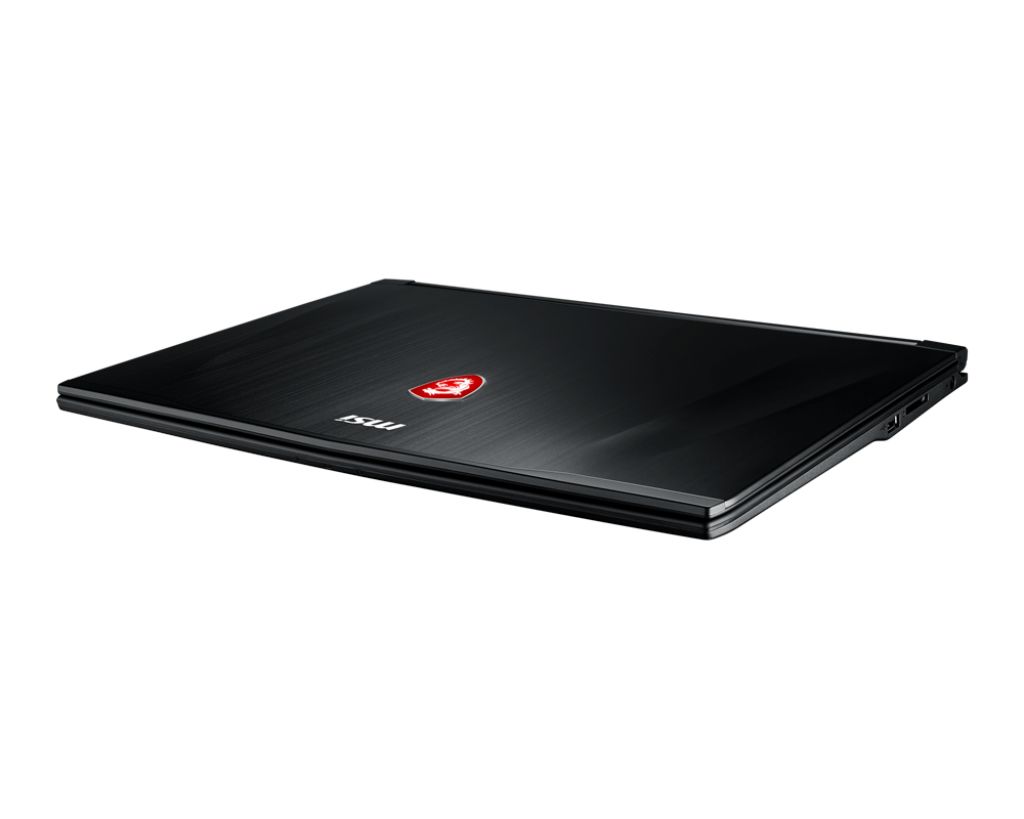
The MSI GP62M 7REX-1640AU Leopard Pro gaming laptop features two SO-DIMM memory slots supporting DDR4-SDRAM modules at 2400 MHz frequency. Maximum RAM capacity reaches 32 GB total, allowing for significant memory upgrade potential. The upgrade specifications indicate compatibility with standard DDR4 SO-DIMM memory modules, enabling users to expand existing memory configurations to the maximum supported capacity. Memory upgrades require compatible DDR4-SDRAM modules operating at 2400 MHz specifications for optimal performance and compatibility with the GP62M series motherboard configuration.
Memory Upgrade Specifications
| Specification | Value |
|---|---|
| Memory slots | 2x SO-DIMM |
| Form factor | SO-DIMM |
| Memory type | DDR4-SDRAM |
| Frequency | 2400 MHz |
| Maximum RAM | 32 GB |
| Voltage | 1.2V |
| Number of pins | 260-pin |
| Interface | PC4 |
| PC Speed Rating | PC4-2400 (PC4-19200) |
| Bandwidth | 19.2 GB/s |
| Laptop Release date | 21 January 2018 |
Additional Notes
- The dual channel architecture requires installing identical memory pairs to enable interleaved data access and double the peak memory bandwidth.
- The system firmware downclocks modules rated for 2666 MHz or higher to 2400 MHz to maintain signal stability across the motherboard traces.
- Upgrading the MSI GP62M 7REX-1640AU Leopard Pro to the 32 GB limit necessitates a 2 by 16 GB configuration because the chipset does not support dense 32 GB single sticks.
- Access to the internal slots involves removing the entire lower chassis cover which may require breaking a factory seal depending on regional service policies.
- Compatibility is restricted to 1.2V low voltage modules while older 1.5V DDR3 hardware remains physically and electrically incompatible with the SO-DIMM sockets.
- The Intel 7th generation processor integrated memory controller acts as the primary bottleneck for latency regardless of the Cas Latency ratings on aftermarket sticks.
- Internal thermal management relies on clear airflow around the components so high profile memory heat spreaders could potentially interfere with the base panel fitment.