MSI Gaming GP62M 7REX-2063FR Leopard Pro RAM upgrade specifications

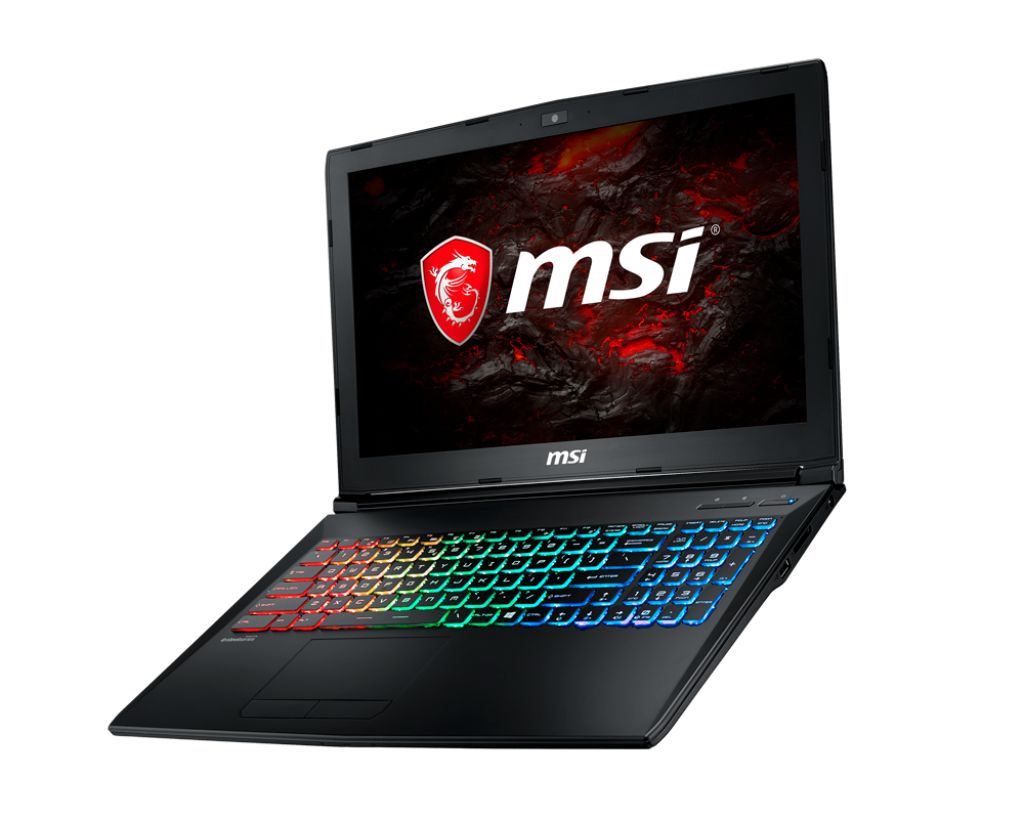
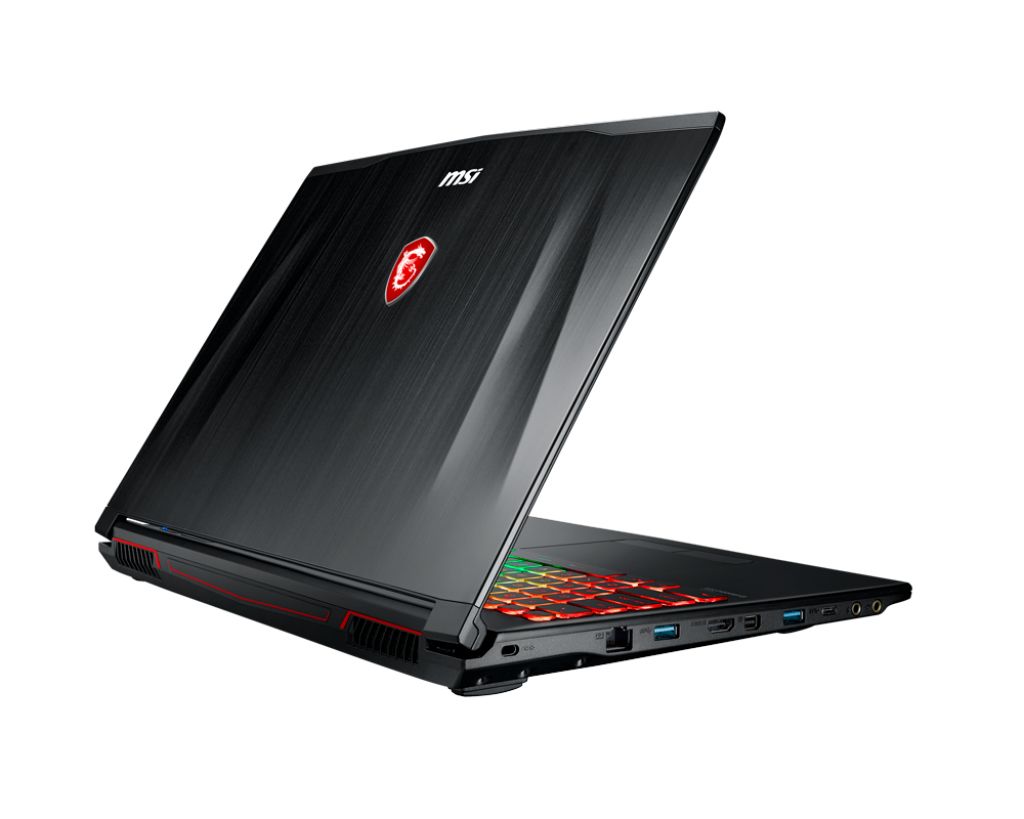
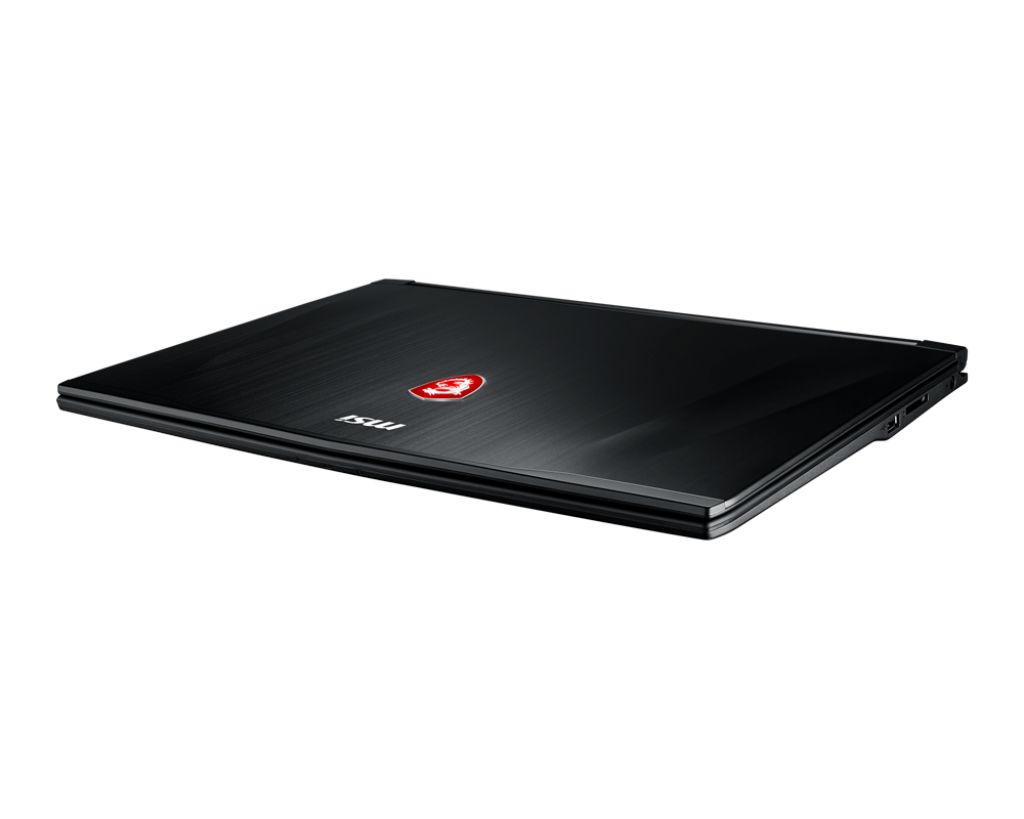
MSI GP62M 7REX-2063FR Leopard Pro gaming laptop supports DDR4-SDRAM memory upgrade configurations. The system features 2x SO-DIMM slots with maximum supported capacity of 32 GB total. Memory specifications include DDR4 operating frequency of 2400 MHz. Compatible RAM upgrades must utilize SO-DIMM form factor modules. Existing memory slots allow for dual-channel memory architecture expansion and upgrade capabilities within the stated maximum RAM capacity specifications.
Memory Upgrade Specifications
| Specification | Value |
|---|---|
| Memory slots | 2x SO-DIMM |
| Form factor | SO-DIMM |
| Memory type | DDR4-SDRAM |
| Frequency | 2400 MHz |
| Maximum RAM | 32 GB |
| Voltage | 1.2V |
| Number of pins | 260-pin |
| Interface | PC4 |
| PC Speed Rating | PC4-2400 (PC4-19200) |
| Bandwidth | 19.2 GB/s |
| Laptop Release date | 27 February 2018 |
Additional Notes
- The MSI GP62M 7REX-2063FR Leopard Pro utilizes laptop-class SO-DIMM form factor memory, which is physically smaller than desktop DIMM modules and cannot be substituted with standard tower computer memory.
- DDR4-2400 represents the native supported frequency for this generation platform. Memory rated above 2400 MHz will operate at reduced clocks unless BIOS overclocking is enabled, which may void warranty coverage on gaming laptops.
- The 2 SO-DIMM slot configuration permits maximum 32 GB capacity only through dual 16 GB module installation. Single-slot upgrades leave 50 percent of maximum bandwidth potential unutilized, as dual-channel operation requires matched pair occupancy.
- Upgrading from factory configuration to 32 GB requires complete module replacement rather than additive expansion, assuming the original configuration used modules smaller than 16 GB each.
- SO-DIMM socket compatibility extends across multiple laptop generations and manufacturers, but DDR4-2400 specification adherence is mandatory; mixed-speed modules will throttle to the lowest-rated module frequency, creating performance degradation across the entire memory subsystem.
- The 2-slot architecture provides no redundancy or failover capability. Single module failure renders the system unable to boot without replacement intervention.