MSI Gaming GP65 10SFK-202CA Leopard RAM upgrade specifications
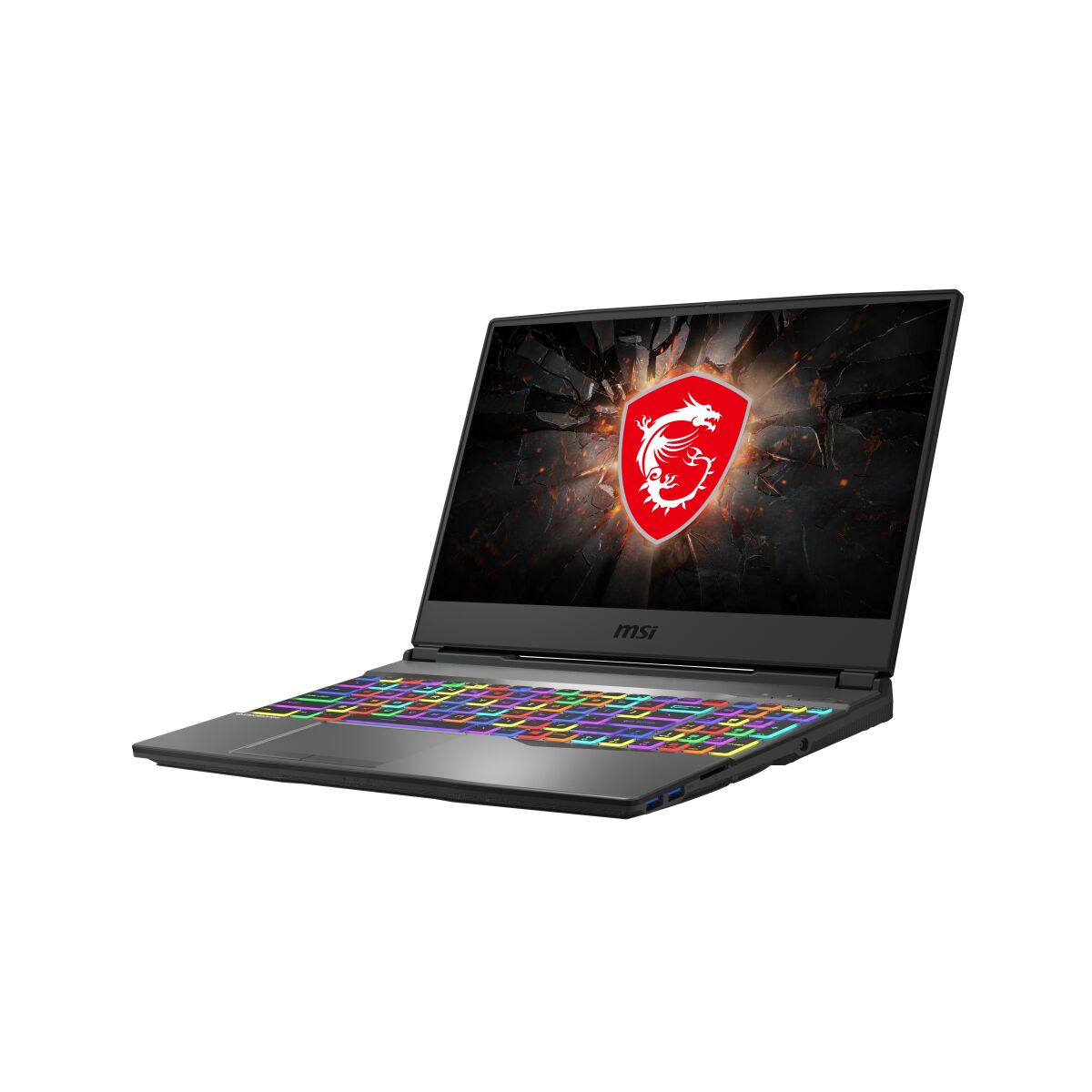
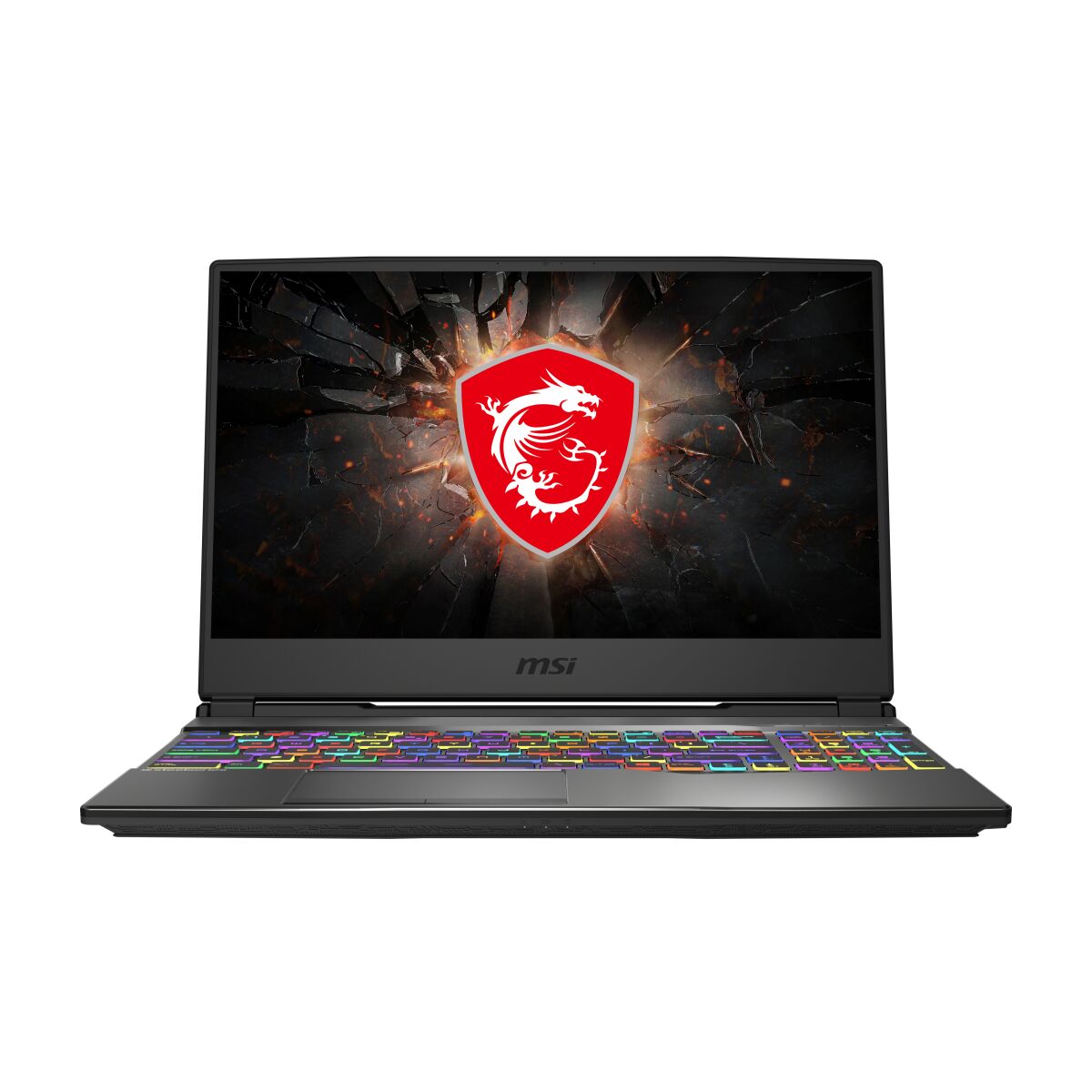
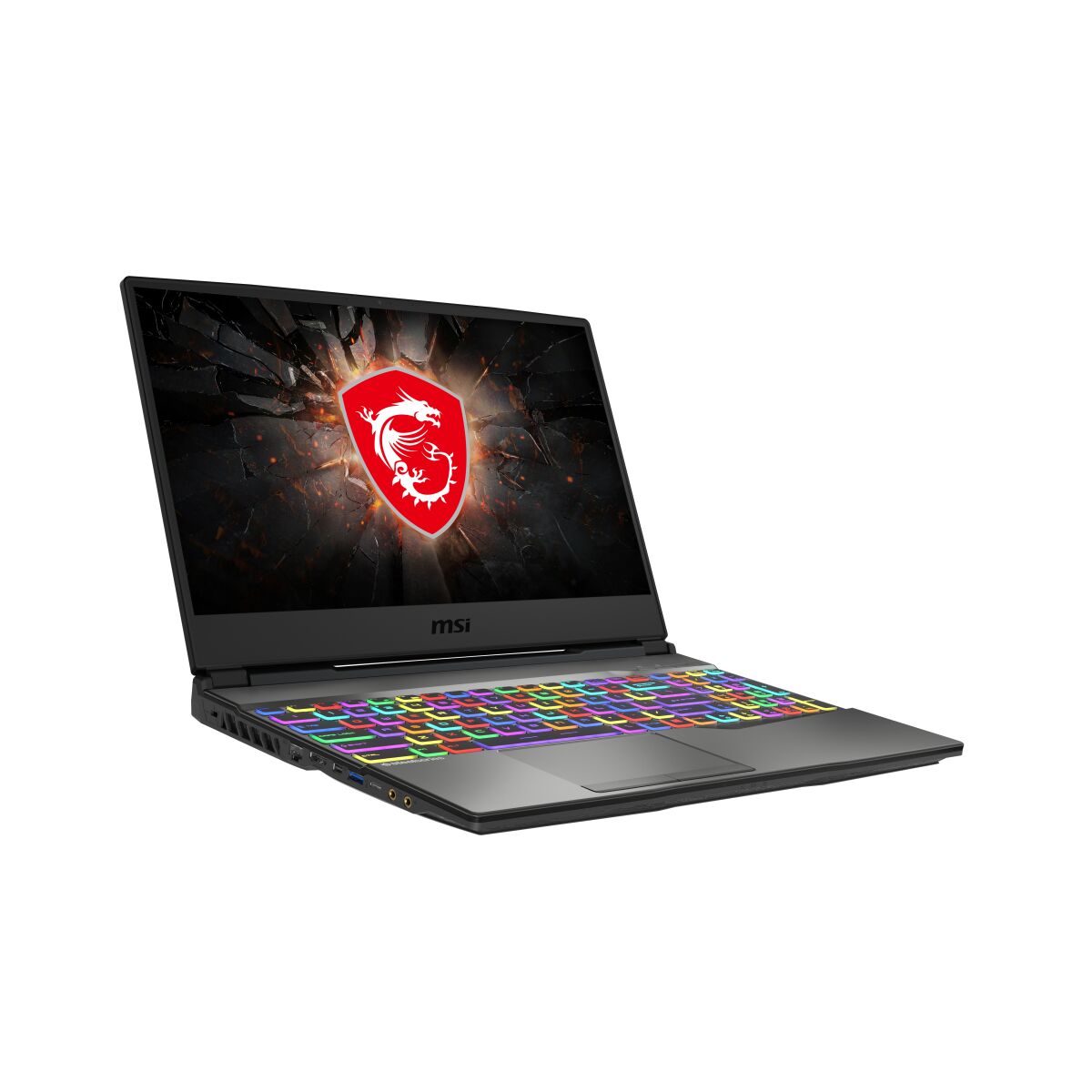
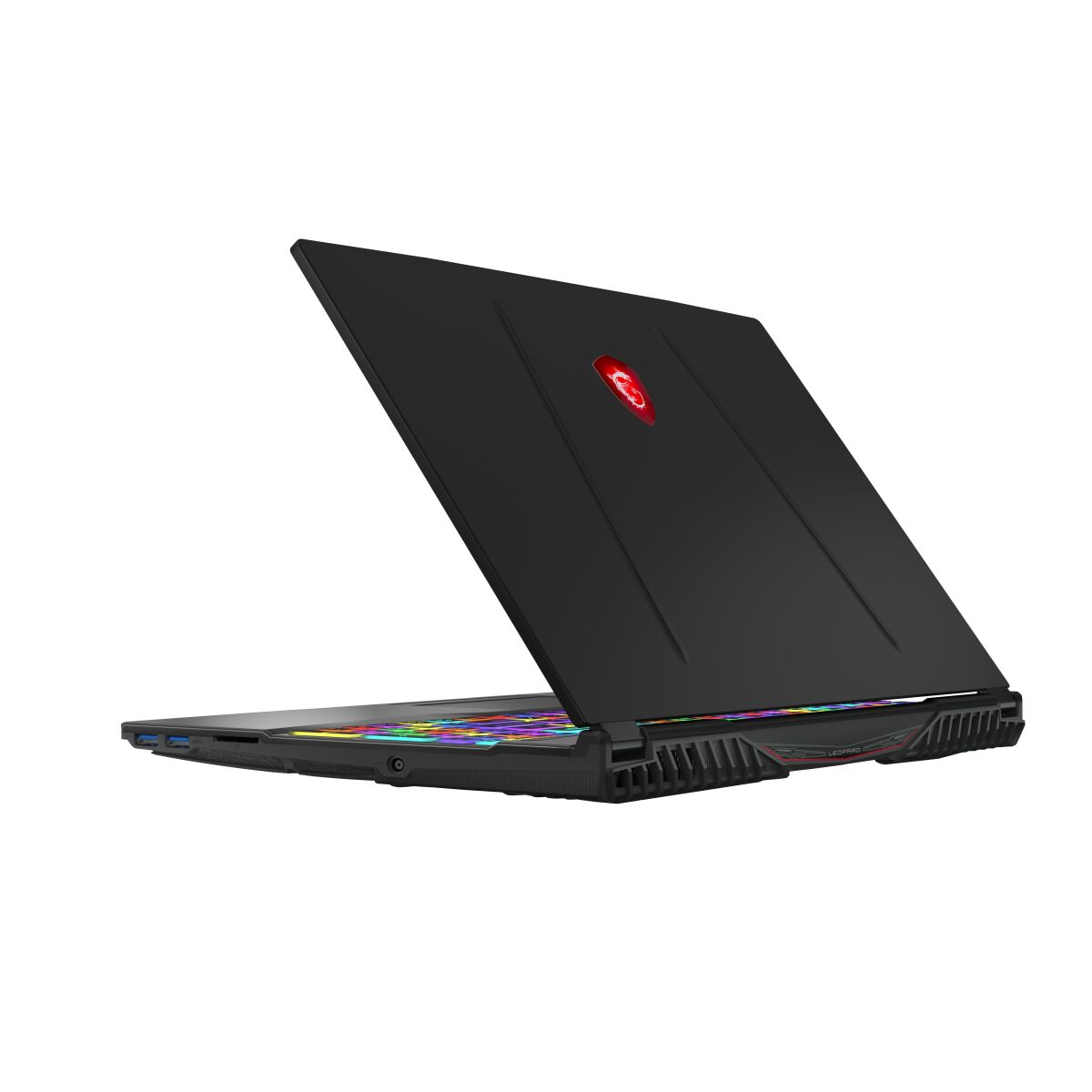
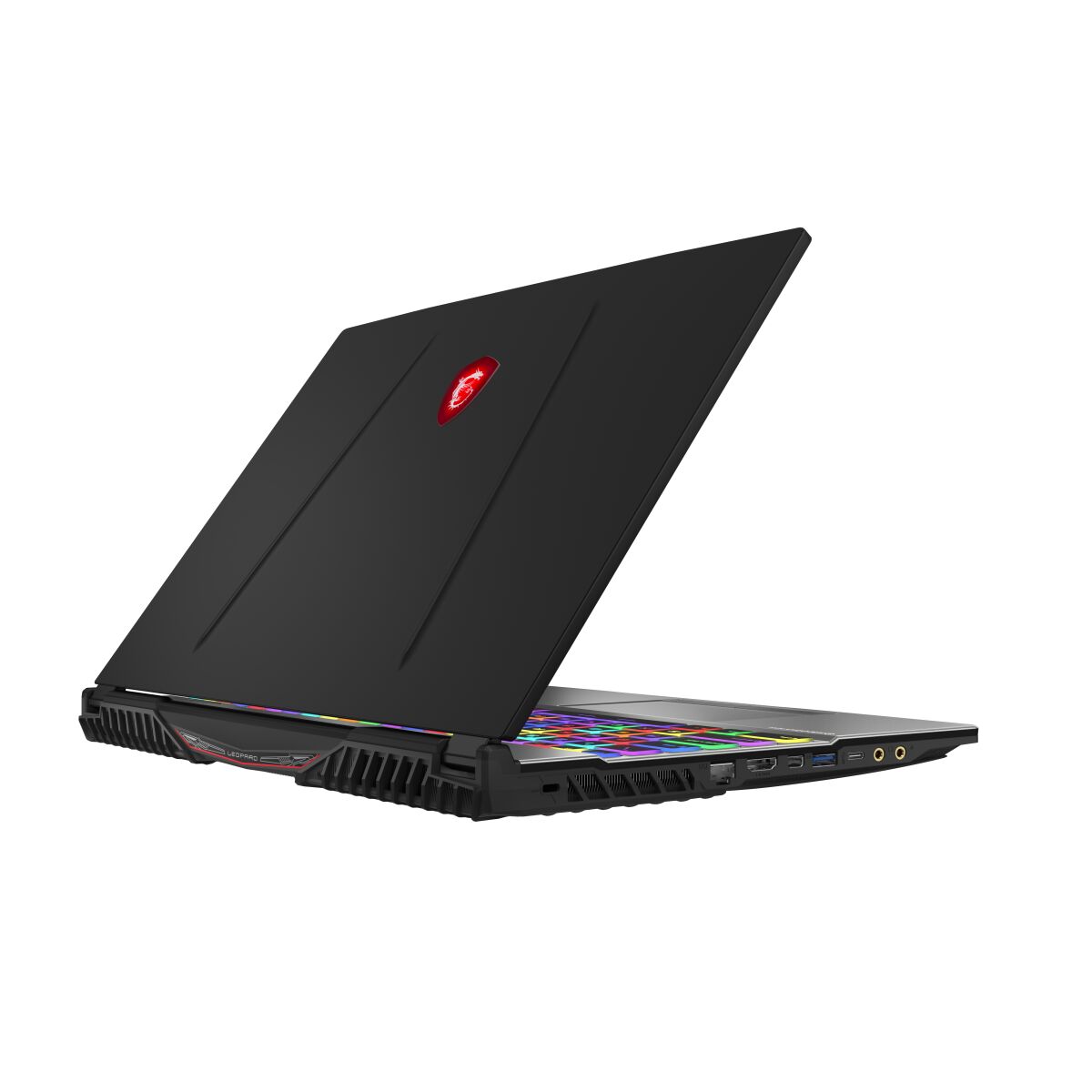
The MSI GP65 10SFK-202CA Leopard gaming laptop supports DDR4-SDRAM memory upgrades through two SO-DIMM slots. Maximum compatible RAM capacity reaches 64 GB total. Memory specifications include 2666 MHz frequency operation. Upgrade options allow replacement or expansion of existing DDR4 modules within the available SO-DIMM slots to enhance system performance and multitasking capabilities.
Memory Upgrade Specifications
| Specification | Value |
|---|---|
| Memory slots | 2x SO-DIMM |
| Form factor | SO-DIMM |
| Memory type | DDR4-SDRAM |
| Frequency | 2666 MHz |
| Maximum RAM | 64 GB |
| Voltage | 1.2V |
| Number of pins | 260-pin |
| Interface | PC4 |
| PC Speed Rating | PC4-2666 (PC4-21328) |
| Bandwidth | 21.3 GB/s |
| Laptop Release date | 28 April 2020 |
Additional Notes
- The MSI GP65 10SFK-202CA Leopard accepts modules rated at speeds exceeding 2666 MHz, but the memory controller will downclock them to match the native frequency, negating any premium paid for faster kits.
- Dual-channel configuration requires matched module capacities in both slots, as mismatched sizes will force single-channel operation on the excess capacity, reducing memory bandwidth by approximately 50 percent for that portion.
- The 64 GB ceiling permits a 2x32 GB configuration, though modules above 16 GB per slot typically command disproportionately higher per-gigabyte costs compared to 2x16 GB or 2x8 GB kits.
- SO-DIMM modules physically differ from desktop DIMM form factors through reduced pin count (260 versus 288) and shorter PCB length, making standard desktop modules mechanically incompatible regardless of electrical specifications.
- Accessing the memory compartment on gaming chassis typically requires bottom panel removal, which may involve breaking warranty seals depending on regional consumer protection laws and manufacturer policies.
- DDR4 voltage standards for this platform operate at 1.2V nominal, while certain high-performance modules rated for 1.35V or above may experience stability issues or refuse POST if the BIOS lacks XMP profile support or voltage adjustment options.
- Mixed-brand installations often function correctly when primary timings align, but secondary and tertiary timing mismatches can trigger training failures during boot, requiring manual BIOS intervention or module replacement.
- Operating systems with 32-bit architectures cannot address the full 64 GB capacity due to fundamental memory addressing limitations, capping usable RAM at approximately 3.5 GB regardless of physical installation.
- The 2666 MHz specification represents JEDEC standard speeds rather than overclocked profiles, ensuring compatibility without requiring BIOS configuration changes for rated performance.
- Heat spreader height on aftermarket modules occasionally exceeds OEM clearance tolerances in compact laptop chassis, potentially interfering with keyboard assemblies or thermal solutions during installation attempts.