MSI Gaming GP65 Leopard 9SE-225 RAM upgrade specifications


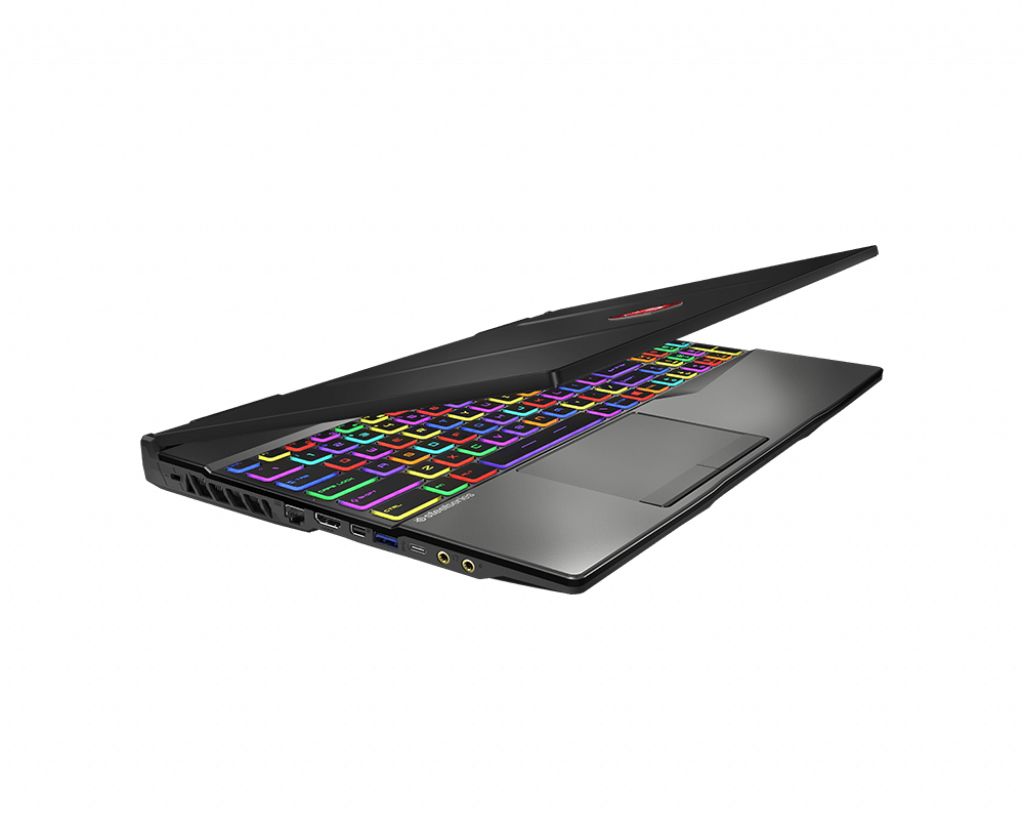


The MSI GP65 Leopard 9SE-225 gaming laptop supports DDR4-SDRAM memory upgrades through two SO-DIMM slots. The system accommodates a maximum RAM capacity of 64 GB total, with compatible modules operating at 2666 MHz frequency. Memory upgrades for the GP65 Leopard 9SE-225 require SO-DIMM form factor specifications. The Gaming family GP series model specifications enable memory expansion to achieve enhanced multitasking and performance capabilities through standard DDR4 upgrade modules.
Memory Upgrade Specifications
| Specification | Value |
|---|---|
| Memory slots | 2x SO-DIMM |
| Form factor | SO-DIMM |
| Memory type | DDR4-SDRAM |
| Frequency | 2666 MHz |
| Maximum RAM | 64 GB |
| Voltage | 1.2V |
| Number of pins | 260-pin |
| Interface | PC4 |
| PC Speed Rating | PC4-2666 (PC4-21328) |
| Bandwidth | 21.3 GB/s |
| Laptop Release date | 22 July 2019 |
Additional Notes
- The MSI GP65 Leopard 9SE-225 requires laptop-specific SO-DIMM modules rather than desktop DIMM memory, which are physically incompatible due to different pin configurations and dimensions.
- The 2666 MHz frequency specification indicates DDR4-2666 compatibility, which corresponds to PC4-21300 bandwidth rating and provides 21.3 GB/s theoretical maximum transfer rate per module.
- Installing memory modules rated above 2666 MHz will result in automatic downclocking to match the motherboard's supported frequency ceiling, negating any speed premium paid.
- The 64 GB maximum capacity suggests chipset and BIOS support for 32 GB density modules in each slot, requiring dual-rank or high-density single-rank configurations.
- Mixing memory modules with different speeds, timings, or ranks may force the system to operate at the lowest common denominator settings or prevent successful POST.
- The 2-slot configuration means capacity upgrades require replacing existing modules rather than adding to them, potentially wasting functional memory if partial upgrades are attempted.
- DDR4 voltage standard of 1.2V applies unless XMP profiles are supported, though gaming laptops typically restrict voltage modifications compared to desktop platforms.
- Accessing the memory slots likely requires bottom panel removal, and warranty seals may be present depending on regional regulations and purchase date.
- The 9th generation Intel Core processor platform used in this model implements dual-channel memory architecture, requiring matched pairs for optimal bandwidth utilization.
- Single-channel operation resulting from installing only one module will halve memory bandwidth and significantly impact integrated graphics performance if used.
- Thermal considerations in gaming laptops mean memory modules with taller heat spreaders may create clearance issues with the bottom panel or internal components.
- JEDEC standard DDR4-2666 specifications include CAS latencies typically between CL17 and CL19, with lower latencies providing marginal real-world performance improvements in most gaming scenarios.