MSI Gaming GP65 Leopard 9SD-226 RAM upgrade specifications

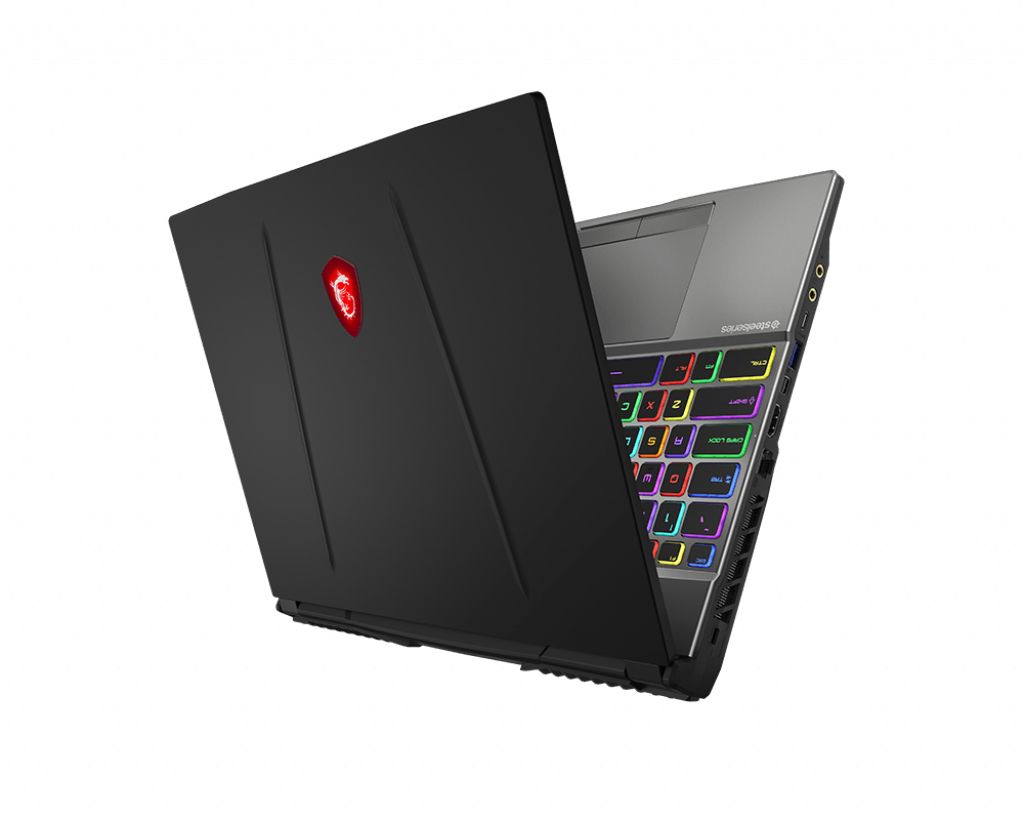
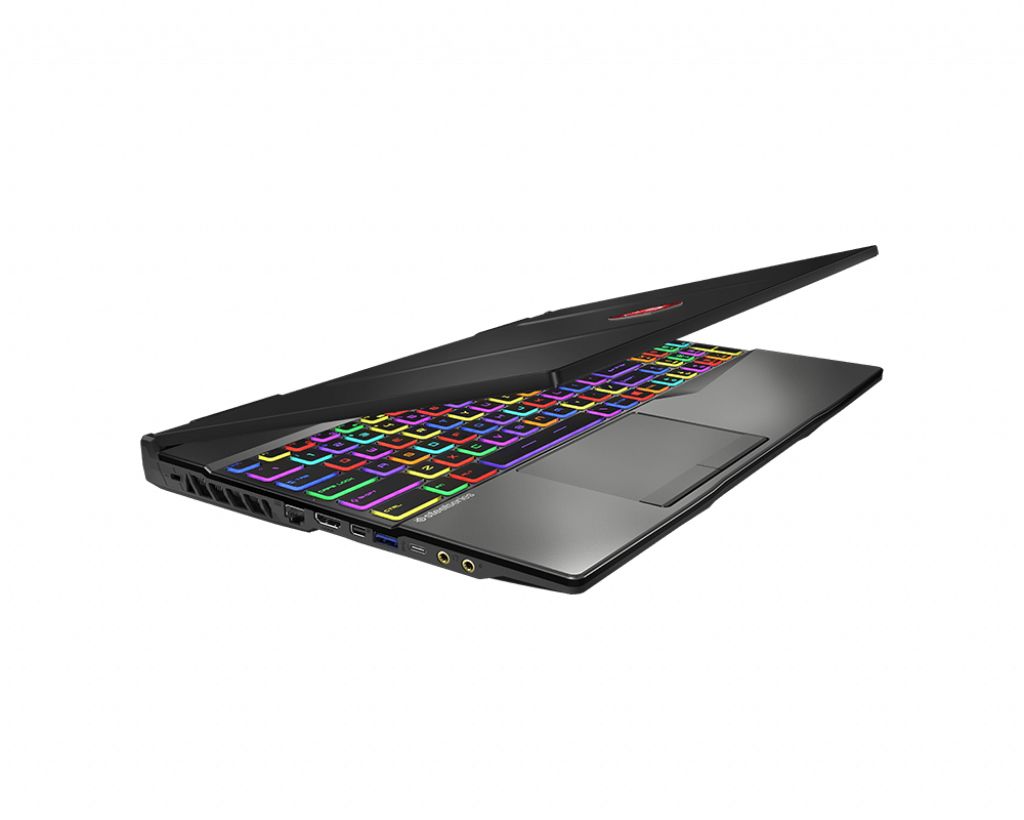

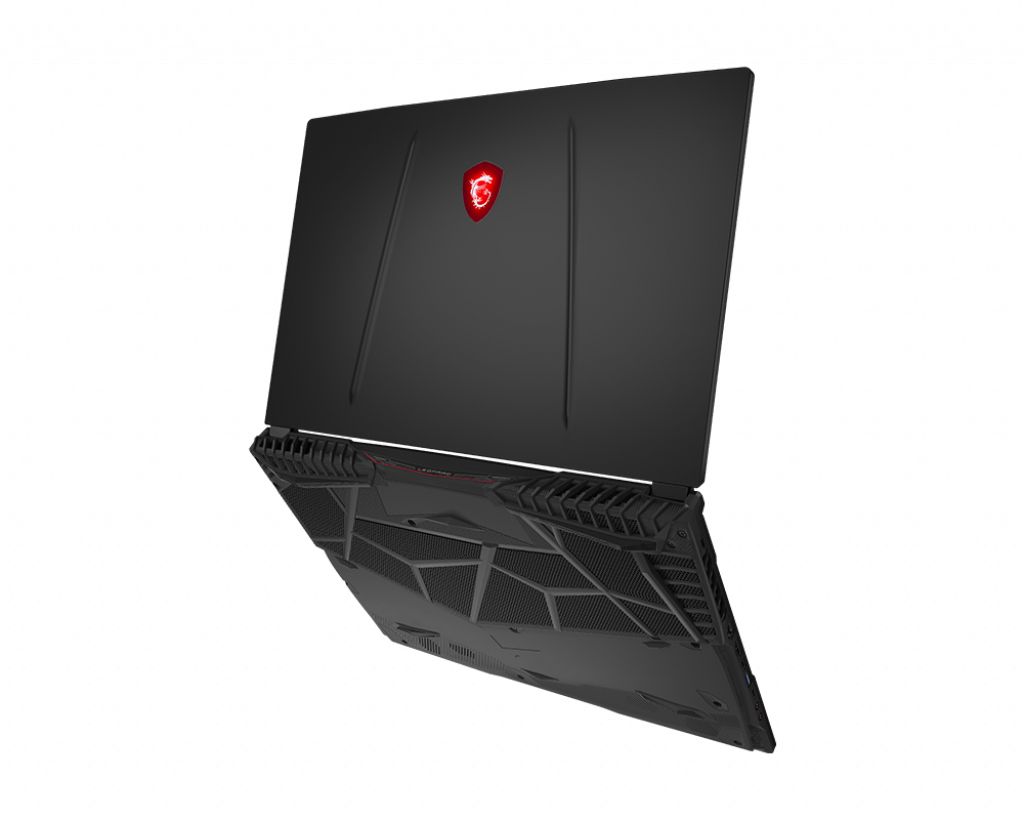
The MSI GP65 Leopard 9SD-226 gaming laptop supports DDR4-SDRAM memory upgrades with 2x SO-DIMM slots. Maximum RAM capacity reaches 64 GB total. Compatible memory modules operate at 2666 MHz frequency and utilize the SO-DIMM form factor. Upgrade specifications enable memory expansion from factory-installed configurations up to the maximum supported capacity of 64 GB for enhanced multitasking and gaming performance on the GP65 Leopard 9SD-226 model.
Memory Upgrade Specifications
| Specification | Value |
|---|---|
| Memory slots | 2x SO-DIMM |
| Form factor | SO-DIMM |
| Memory type | DDR4-SDRAM |
| Frequency | 2666 MHz |
| Maximum RAM | 64 GB |
| Voltage | 1.2V |
| Number of pins | 260-pin |
| Interface | PC4 |
| PC Speed Rating | PC4-2666 (PC4-21328) |
| Bandwidth | 21.3 GB/s |
| Laptop Release date | 22 July 2019 |
Additional Notes
- The MSI GP65 Leopard 9SD-226 relies on SO-DIMM modules, which eliminates compatibility with standard desktop DIMM memory regardless of matching speed or capacity specifications.
- The 2666 MHz frequency limitation originates from the Intel 9th generation mobile platform chipset, meaning faster modules will automatically downclock to this speed without performance gain.
- Accessing both memory slots requires complete bottom panel removal, as gaming laptop chassis typically position SO-DIMM slots beneath thermal assemblies or secondary cooling components.
- The 64 GB maximum capacity requires 2x32 GB module pairing, which depends on BIOS support for high-density single-rank or dual-rank configurations beyond the originally shipped capacity.
- Dual-channel operation requires symmetrical module installation across both slots, as asymmetric configurations force single-channel mode with significant bandwidth reduction for GPU-intensive tasks.
- Non-ECC SO-DIMM modules maintain warranty compliance, while ECC or registered memory types introduce incompatibility with consumer-grade mobile chipsets.
- Thermal performance depends on low-profile module height compatibility, as taller heat spreaders may interfere with bottom panel closure or internal component clearance.
- Mixed-speed configurations default to the slower module frequency across both channels, negating any potential advantage from partial higher-speed installation.
- Single module operation in one slot cuts memory bandwidth in half compared to dual-channel configuration, creating GPU bottlenecks during high-resolution rendering or texture-intensive workloads.
- The SO-DIMM 260-pin standard requires voltage compatibility at 1.2V for DDR4, as higher-voltage DDR3L modules share similar physical dimensions but lack electrical compatibility.