MSI Gaming GP65 Leopard 9SD RAM upgrade specifications

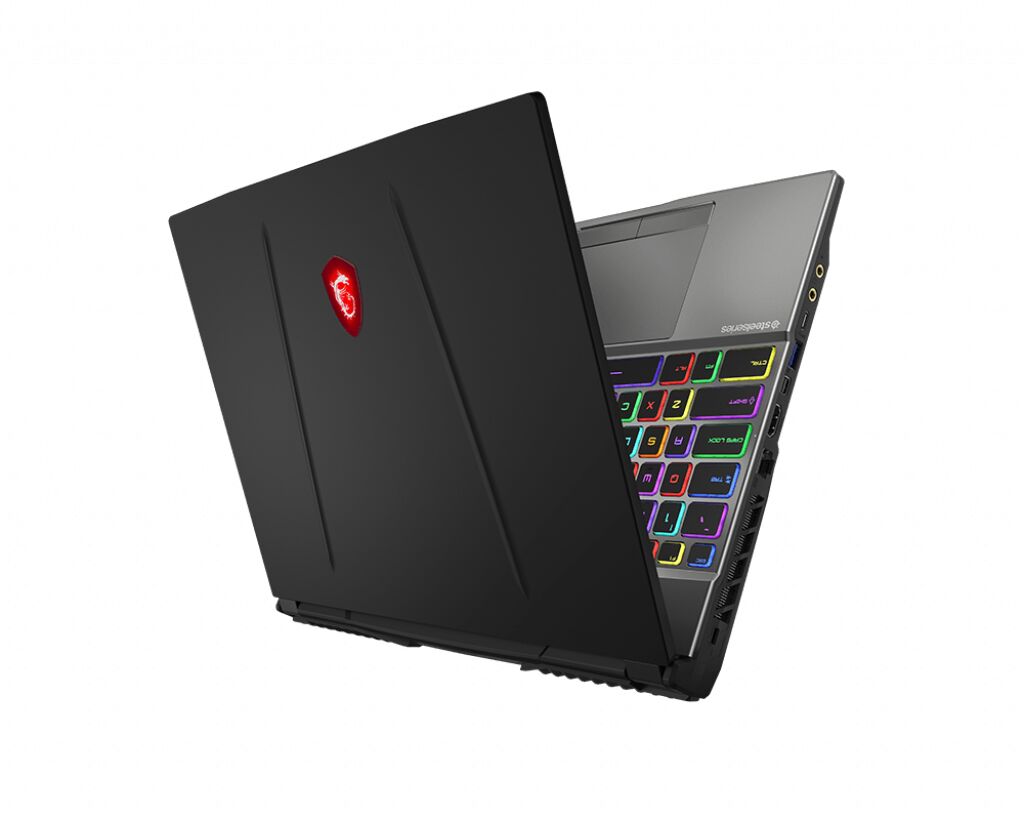
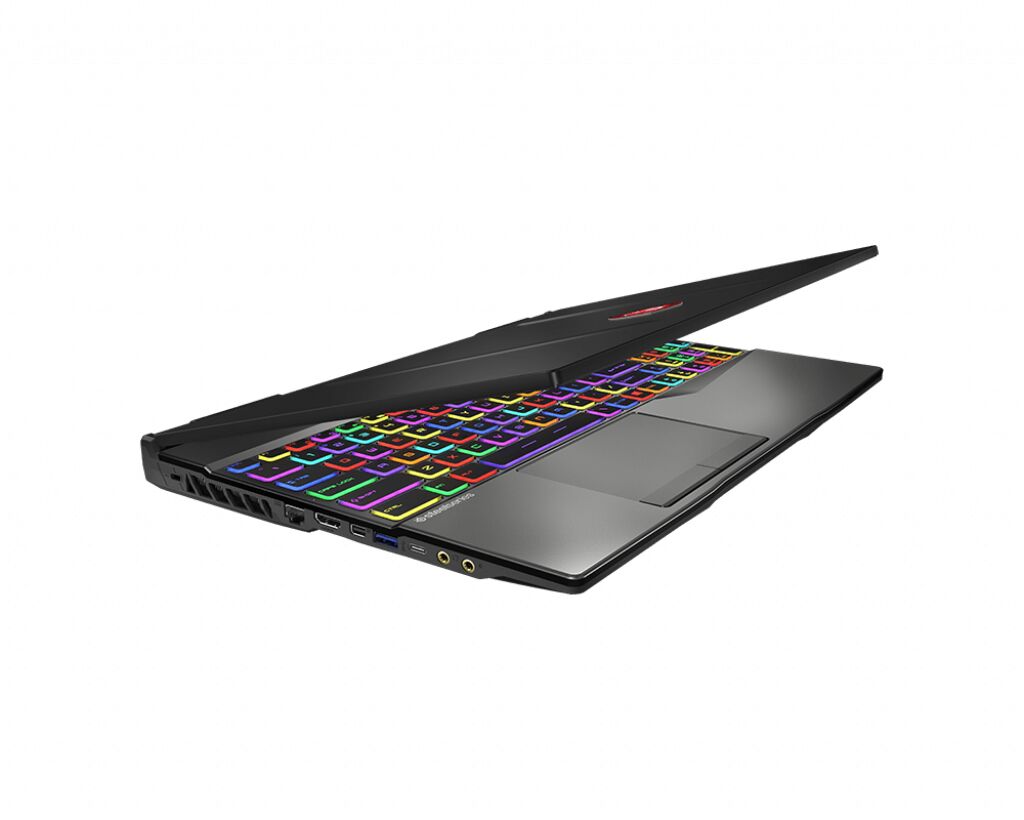

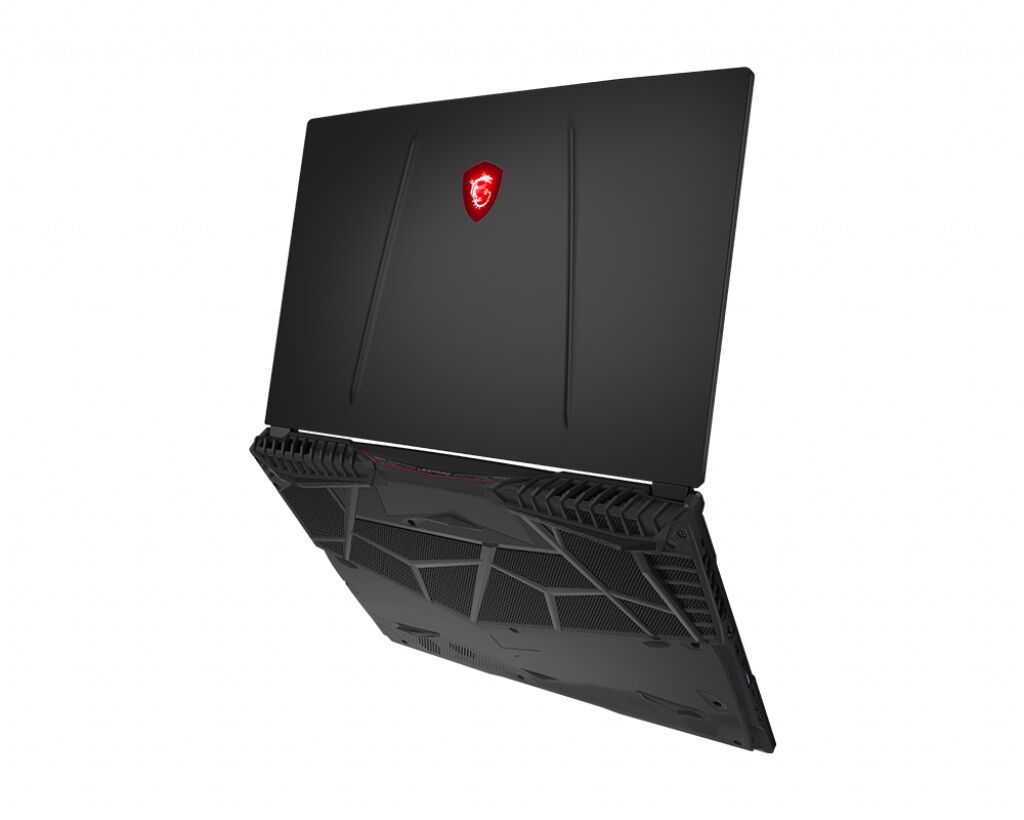
The MSI GP65 Leopard 9SD gaming laptop features DDR4-SDRAM memory upgrade capabilities with two SO-DIMM slots. Maximum compatible RAM capacity reaches 64 GB total. Memory specifications include DDR4 operating frequency of 2666 MHz. Upgrade options support standard SO-DIMM form factor modules. Specifications indicate the Gaming series GP model accommodates dual memory slot configuration for RAM expansion requirements.
Memory Upgrade Specifications
| Specification | Value |
|---|---|
| Memory slots | 2x SO-DIMM |
| Form factor | SO-DIMM |
| Memory type | DDR4-SDRAM |
| Frequency | 2666 MHz |
| Maximum RAM | 64 GB |
| Voltage | 1.2V |
| Number of pins | 260-pin |
| Interface | PC4 |
| PC Speed Rating | PC4-2666 (PC4-21328) |
| Bandwidth | 21.3 GB/s |
| Laptop Release date | 12 May 2020 |
Additional Notes
- The MSI GP65 Leopard 9SD uses SO-DIMM modules rather than standard desktop DIMM, requiring physically smaller memory modules with 260 pins instead of 288.
- Maximum supported capacity of 64 GB indicates compatibility with 32 GB density modules, which were less common and more expensive during the 9th generation Intel platform era.
- The 2666 MHz frequency specification reflects Intel's official JEDEC standard for the 9th generation mobile platform, though the chipset may support higher XMP/overclocked speeds if enabled in BIOS.
- Dual-channel configuration becomes possible when both SO-DIMM slots are populated with matched capacity modules, effectively doubling memory bandwidth from approximately 21 GB/s to 42 GB/s.
- Mixing different RAM speeds will force all modules to operate at the lowest common frequency, potentially throttling newer 3200 MHz modules down to 2666 MHz.
- Single-channel operation from using only one populated slot creates a significant bandwidth bottleneck for integrated GPU tasks and memory-intensive applications.
- Non-matching module capacities between slots maintain dual-channel operation only up to the capacity of the smaller module, with remaining capacity reverting to slower single-channel mode.
- Access to memory slots typically requires bottom panel removal, with potential warranty implications if factory seals are present on specific screw locations.
- DDR4 SO-DIMM operates at 1.2V standard voltage, and higher-voltage modules designed for overclocking may cause stability issues or refuse to boot.
- The platform lacks support for DDR5 or DDR3L modules due to incompatible notch positioning and voltage requirements, making these physically impossible to install.
- ECC memory modules are incompatible with the consumer-grade chipset, despite using the same physical SO-DIMM form factor.
- Upgrading from factory-installed RAM to the maximum 64 GB configuration requires both existing modules to be replaced, as 2 slots cannot accommodate more than 2 modules.