MSI Gaming GP65 9SE-260RU Leopard RAM upgrade specifications
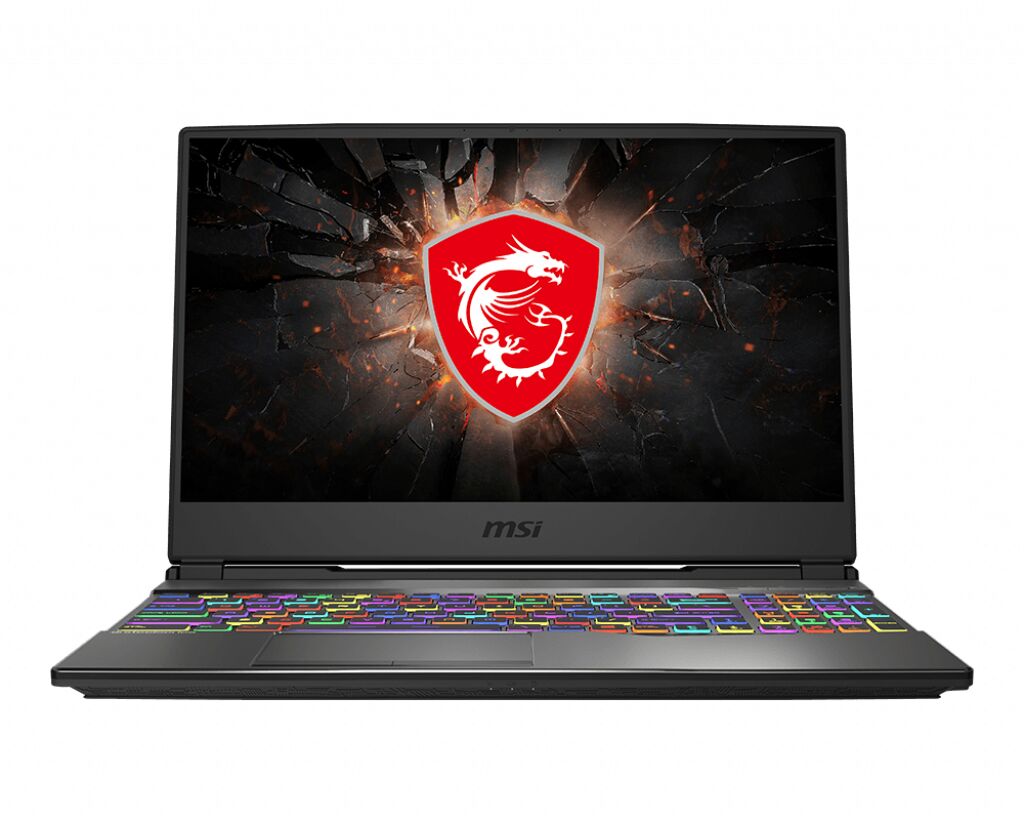
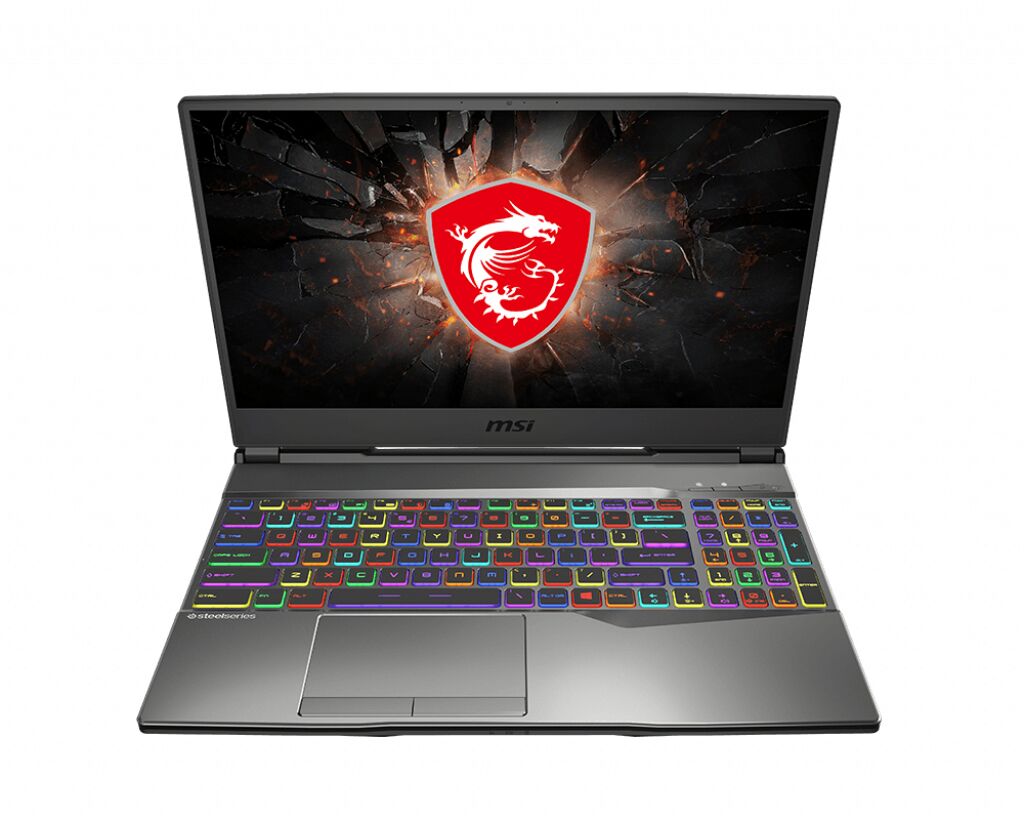
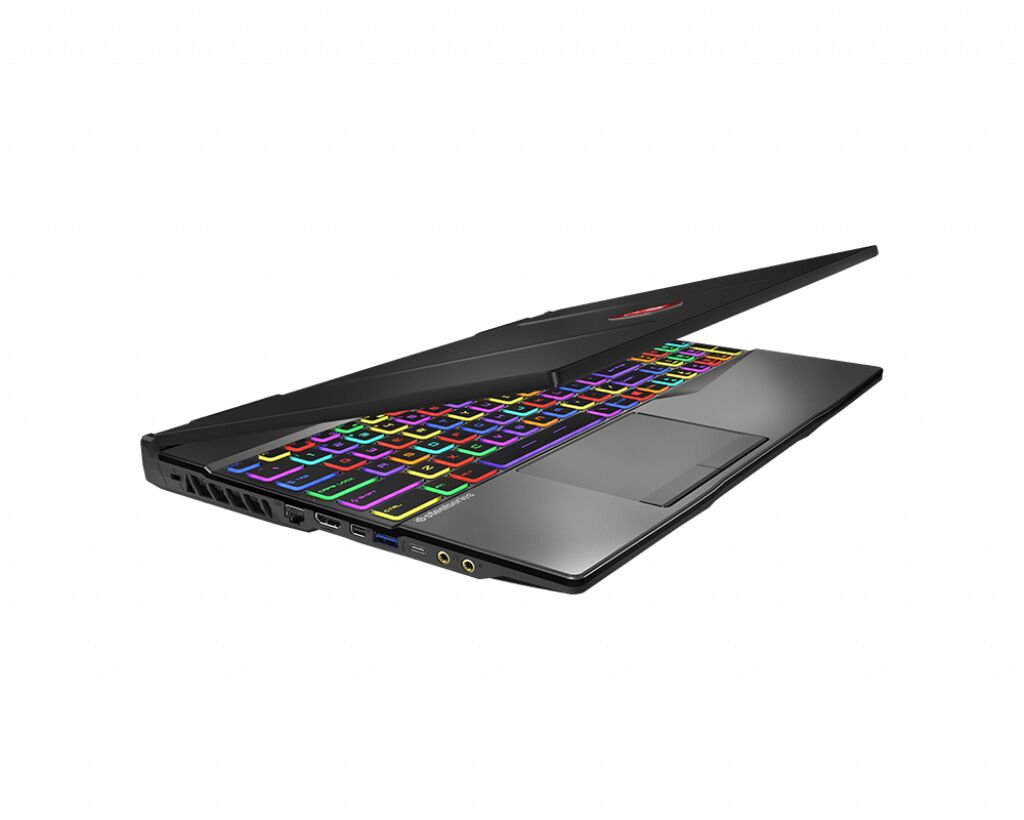
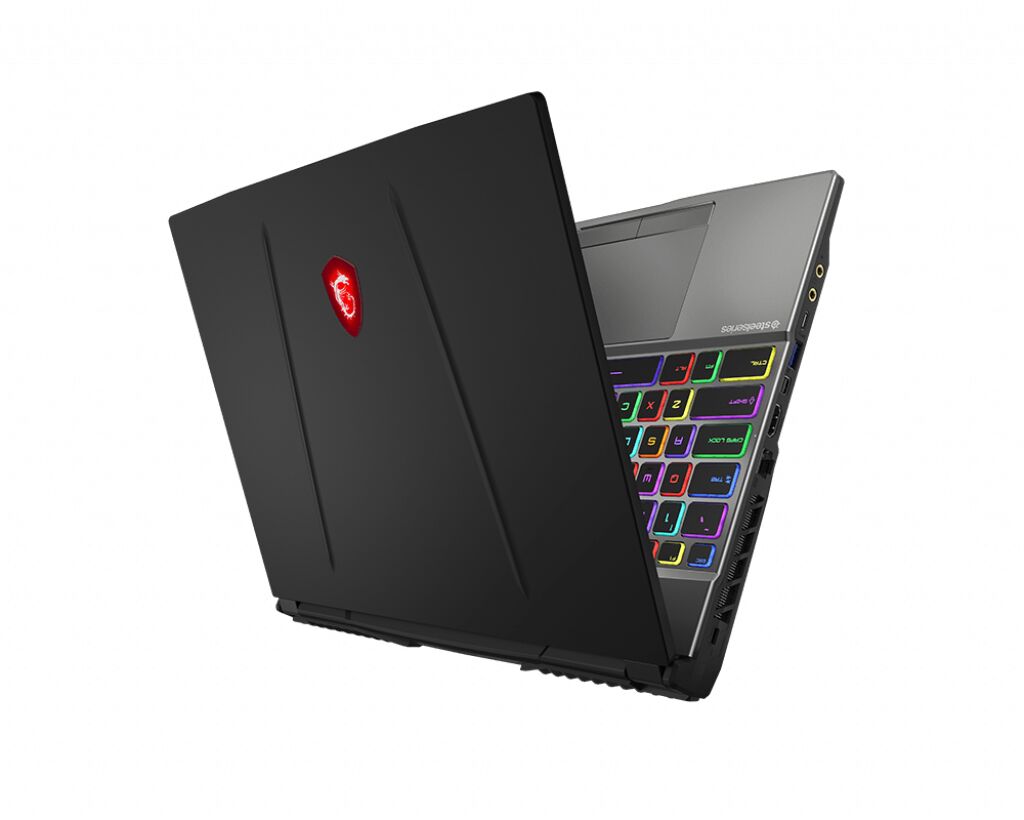
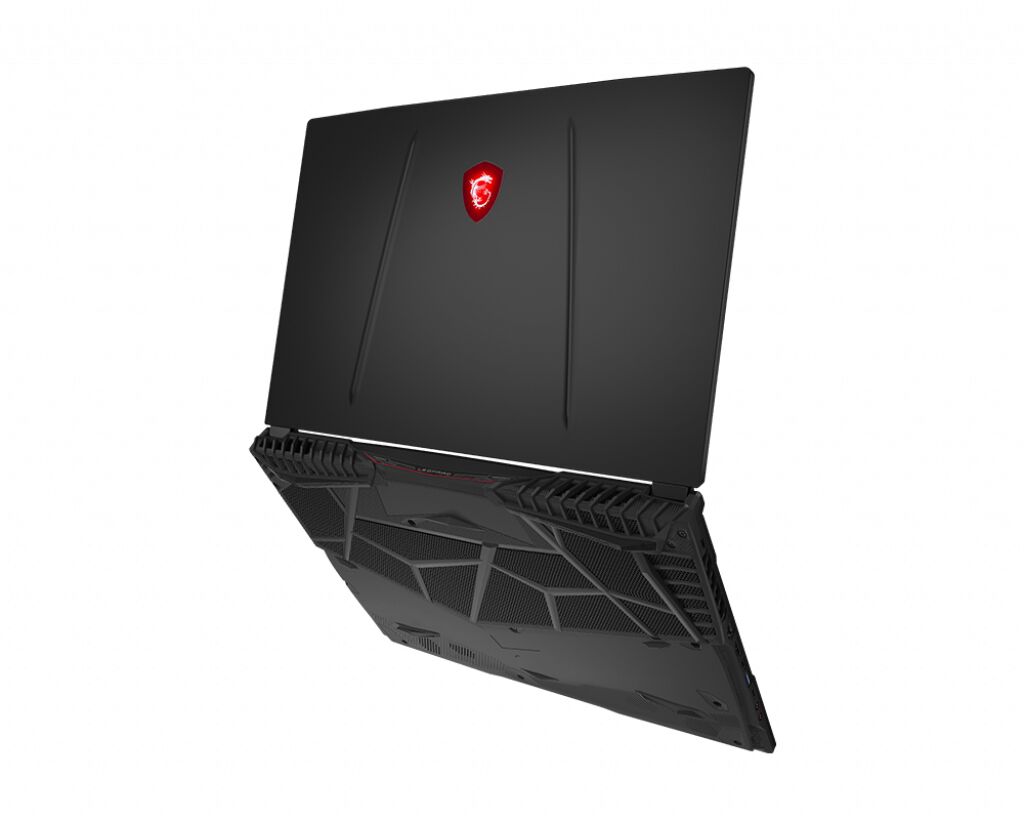
MSI GP65 9SE-260RU Leopard gaming laptop features DDR4-SDRAM memory upgrade specifications with two SO-DIMM slots supporting maximum capacity of 64 GB total RAM. Compatible memory modules operate at 2666 MHz frequency. The laptop's memory upgrade configuration utilizes standard SO-DIMM form factor modules, enabling users to expand system memory from the factory configuration. Specifications indicate support for DDR4 technology across both memory slots.
Memory Upgrade Specifications
| Specification | Value |
|---|---|
| Memory slots | 2x SO-DIMM |
| Form factor | SO-DIMM |
| Memory type | DDR4-SDRAM |
| Frequency | 2666 MHz |
| Maximum RAM | 64 GB |
| Voltage | 1.2V |
| Number of pins | 260-pin |
| Interface | PC4 |
| PC Speed Rating | PC4-2666 (PC4-21328) |
| Bandwidth | 21.3 GB/s |
| Laptop Release date | 17 October 2019 |
Additional Notes
- The MSI GP65 9SE-260RU Leopard contains 2 SO-DIMM slots configured in a dual-channel architecture, meaning both slots must be populated to achieve rated memory bandwidth. Single-slot population forces the system into single-channel mode, reducing effective memory throughput by approximately 50% and degrading gaming frame rates and application responsiveness.
- DDR4-2666 specification indicates the memory controller operates at 9th generation Intel standards. Compatibility with faster DDR4 modules (3000 MHz, 3200 MHz) exists, but the controller will downclock all memory to 2666 MHz, negating any speed premium and wasting upgrade investment.
- 64 GB maximum capacity represents a 2x32 GB configuration using high-density SO-DIMM modules. Standard 2x16 GB upgrades remain the practical ceiling for this platform, as 32 GB SO-DIMM units exhibit supply constraints and command significant cost premiums without proportional performance gains for gaming workloads.
- SO-DIMM form factor requires low-profile memory modules designed for mobile systems. Standard desktop DDR4 (UDIMM) cannot physically install due to socket incompatibility, eliminating access to budget-tier desktop memory pricing and requiring vendor-specific mobile memory sourcing.
- The 2-slot architecture prevents incremental upgrade paths. Expanding from 8 GB to 16 GB requires replacing both existing modules entirely rather than adding a single stick, creating material waste and increased total upgrade cost compared to multi-slot desktop platforms.