MSI Gaming GP66 10UG-040XIT Leopard RAM upgrade specifications
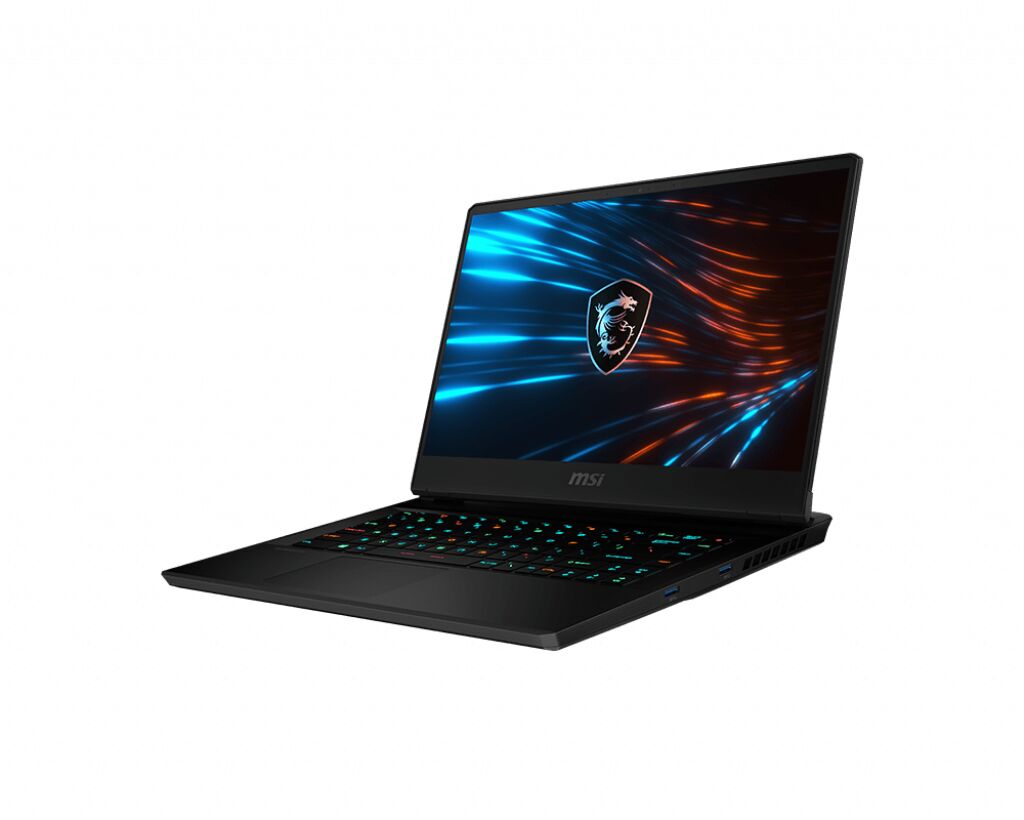
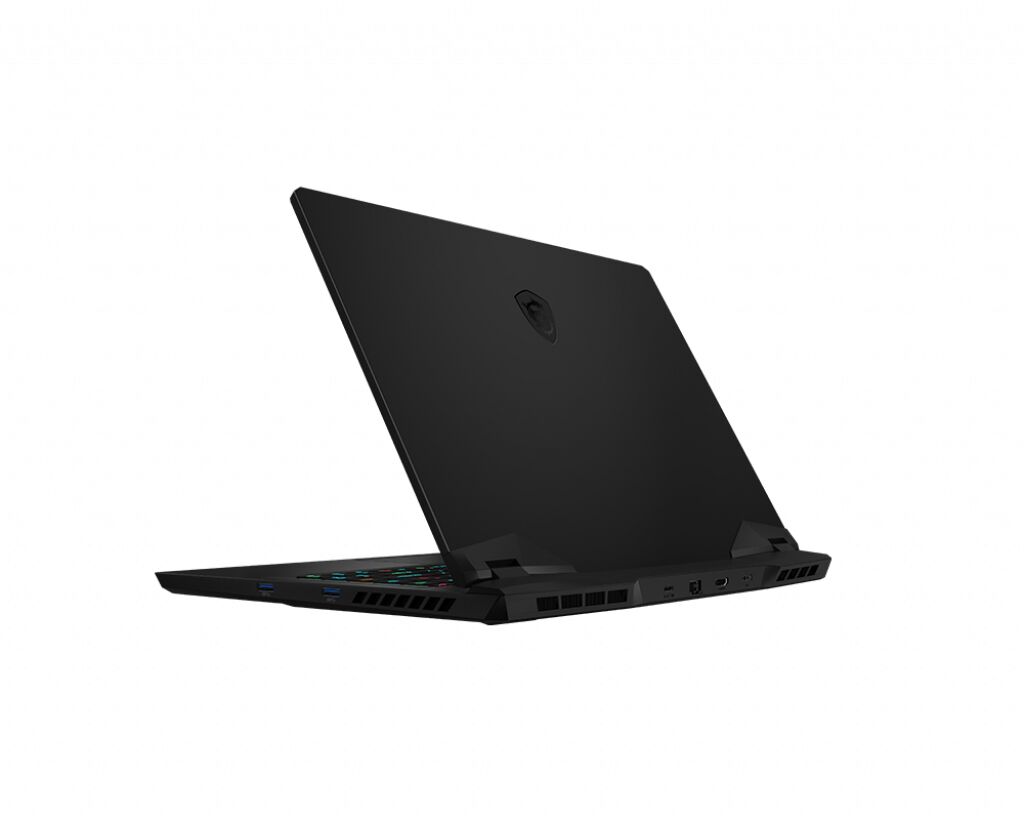
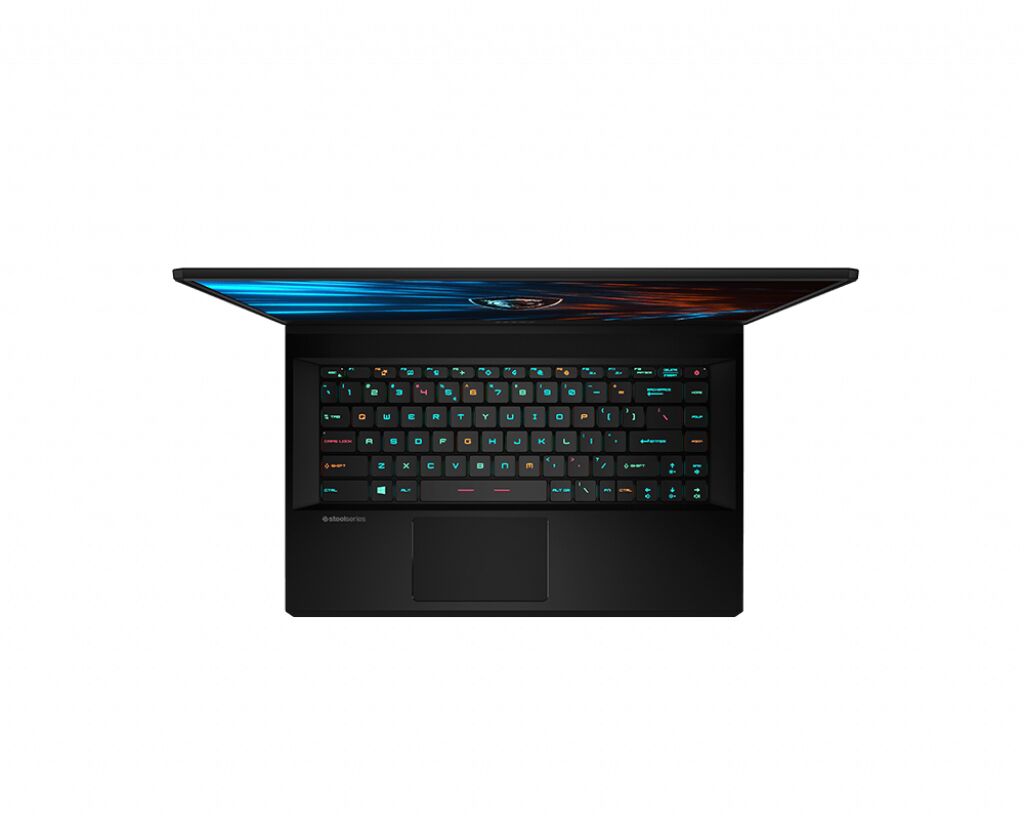
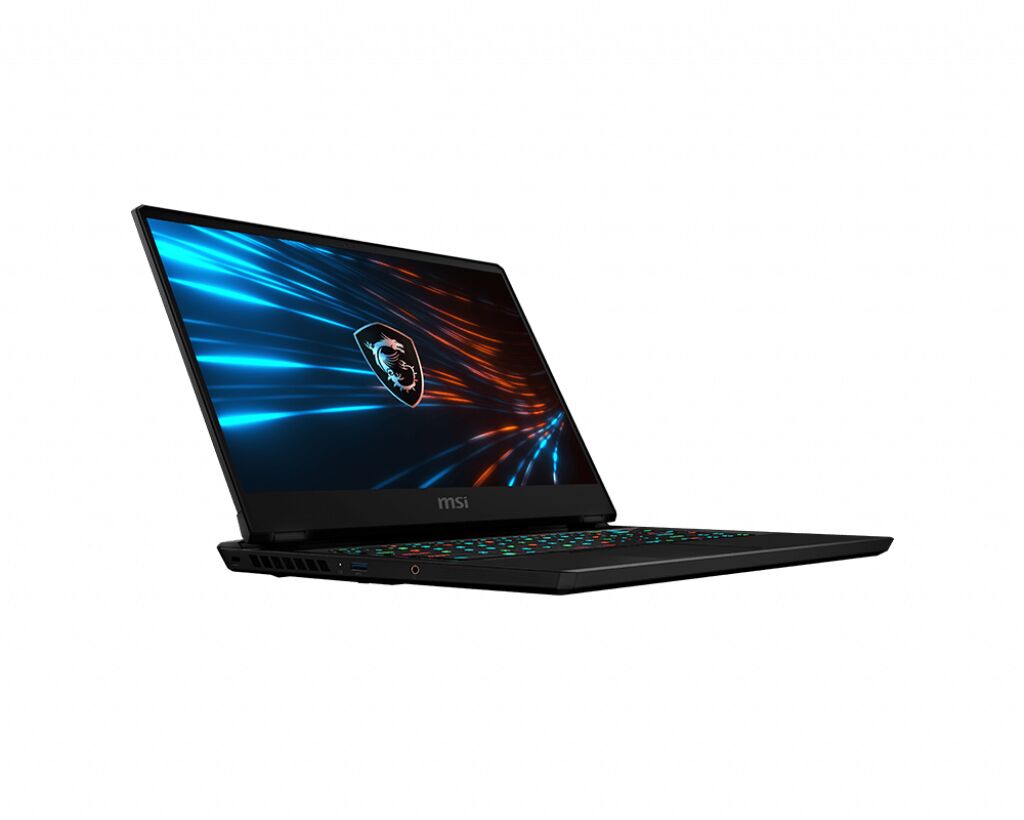
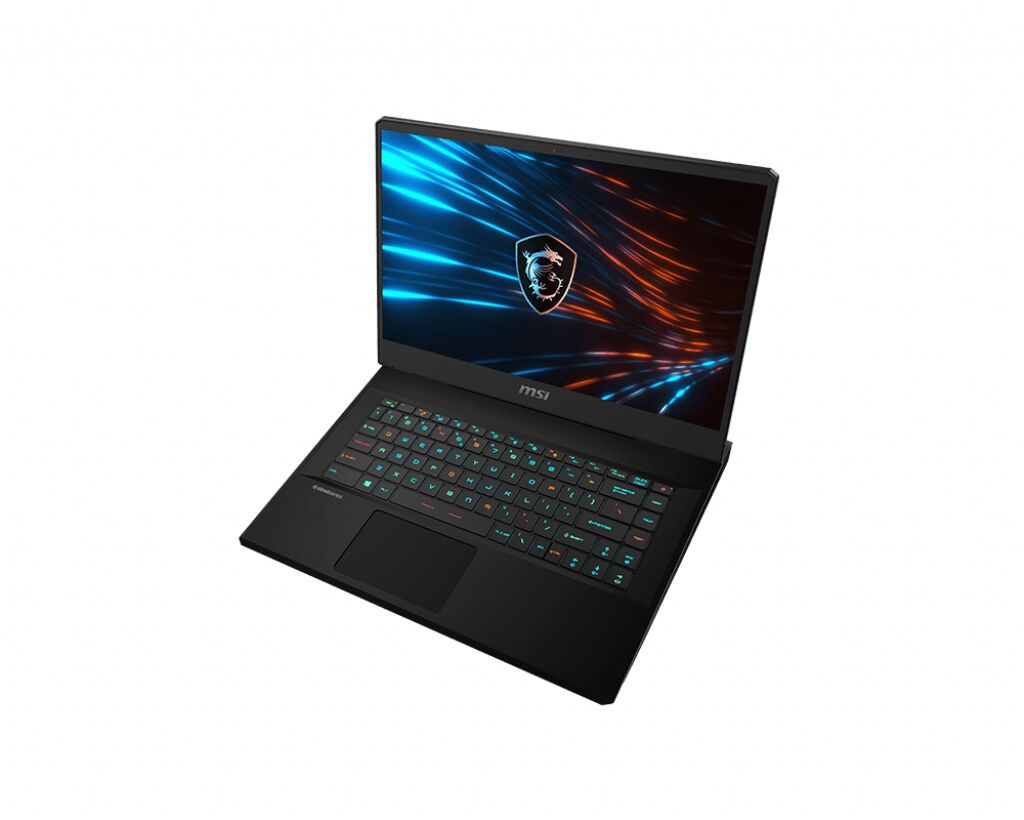
The MSI GP66 10UG-040XIT Leopard gaming laptop features DDR4-SDRAM memory upgrade capability with 2x SO-DIMM slots. Maximum RAM capacity reaches 64 GB total, supporting DDR4 modules operating at 3200 MHz frequency. Compatible memory upgrades utilize SO-DIMM form factor specifications, allowing users to expand from factory-installed configurations up to the specified maximum capacity. Current specifications support standard DDR4 memory modules meeting MSI GP series compatibility requirements.
Memory Upgrade Specifications
| Specification | Value |
|---|---|
| Memory slots | 2x SO-DIMM |
| Form factor | SO-DIMM |
| Memory type | DDR4-SDRAM |
| Frequency | 3200 MHz |
| Maximum RAM | 64 GB |
| Voltage | 1.2V |
| Number of pins | 260-pin |
| Interface | PC4 |
| PC Speed Rating | PC4-3200 (PC4-25600) |
| Bandwidth | 25.6 GB/s |
| Laptop Release date | 18 March 2021 |
Additional Notes
- The MSI GP66 10UG-040XIT Leopard contains 2 SO-DIMM slots that operate as a paired channel configuration, requiring identical capacity modules to avoid performance degradation from single-channel fallback.
- DDR4-3200 memory operates at a fixed frequency ceiling; pairing with faster DDR4-3600 or DDR4-4000 modules will downclock to 3200 MHz, eliminating any bandwidth advantage from premium-speed memory.
- SO-DIMM form factor limits maximum theoretical capacity to 64 GB total, representing a hard ceiling that cannot be exceeded regardless of future module availability.
- Upgrading from factory configuration requires full module replacement rather than incremental addition once both slots are populated, since both slots must remain populated to maintain dual-channel throughput.
- The 3200 MHz specification indicates 10th-generation Intel processor pairing; BIOS does not support overclocking pathways for memory frequency adjustment on this platform.
- Mixed-capacity configurations (e.g., 8 GB plus 16 GB modules) function only in single-channel mode for the differential capacity, reducing aggregate memory bandwidth by 50 percent for that portion of addressable RAM.