MSI Gaming GP66 10UG-074IT Leopard RAM upgrade specifications
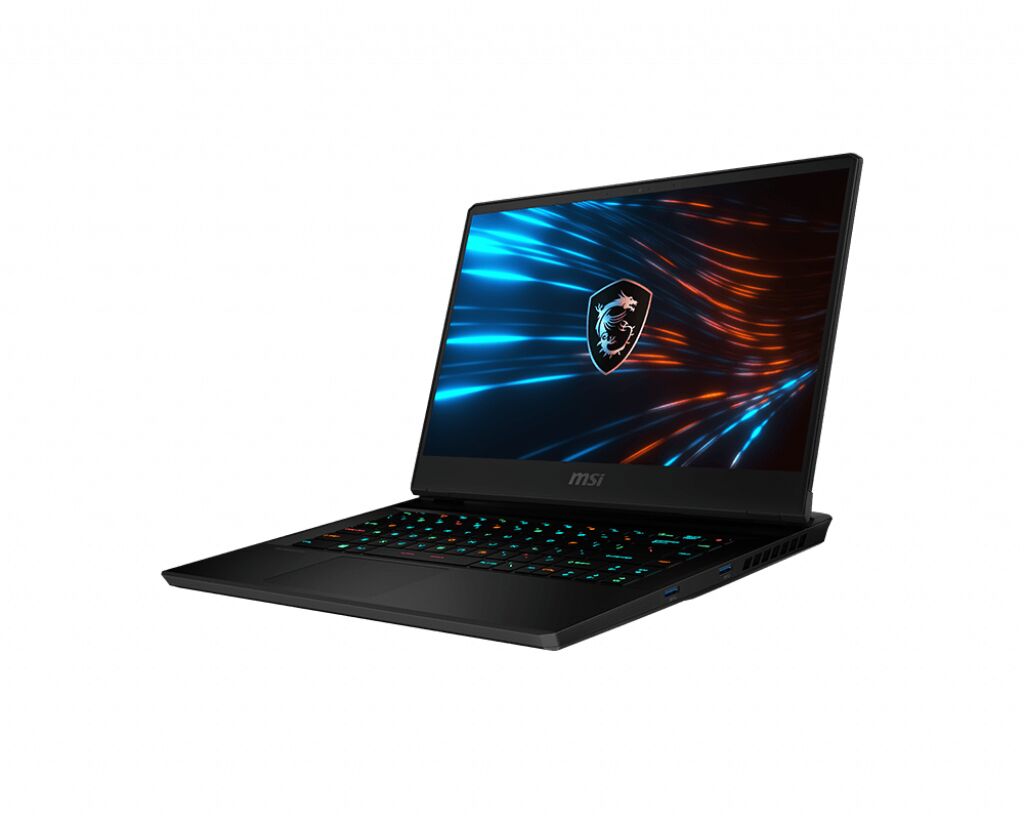
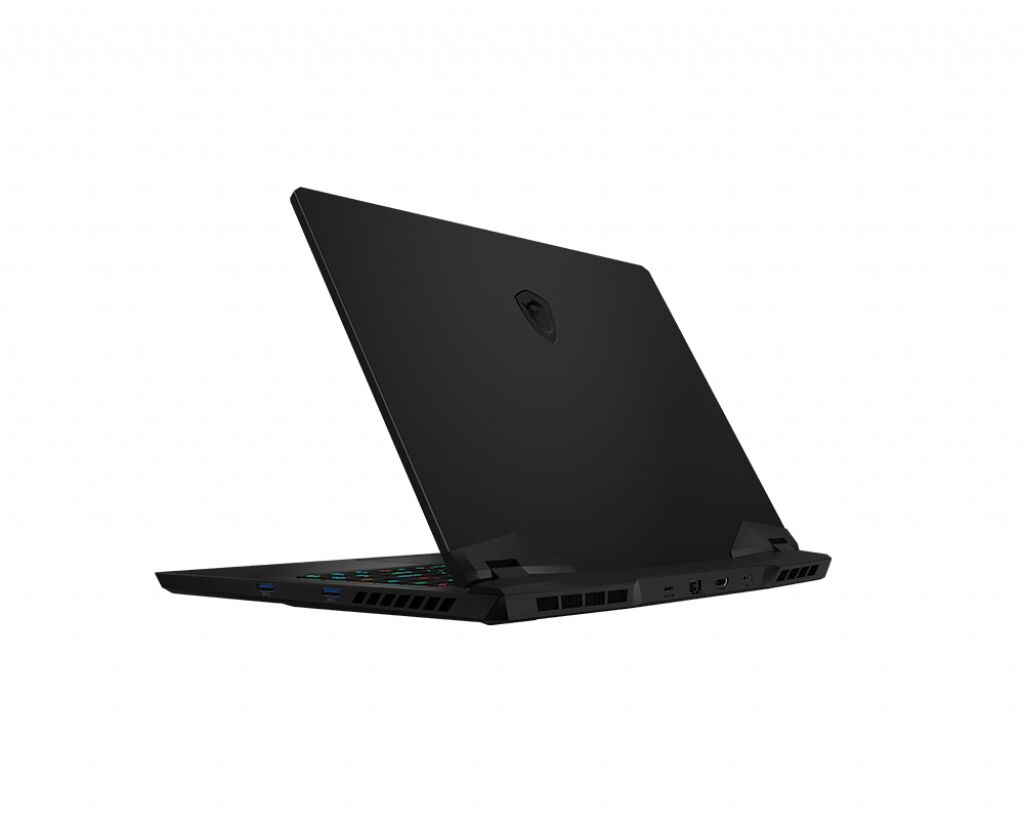
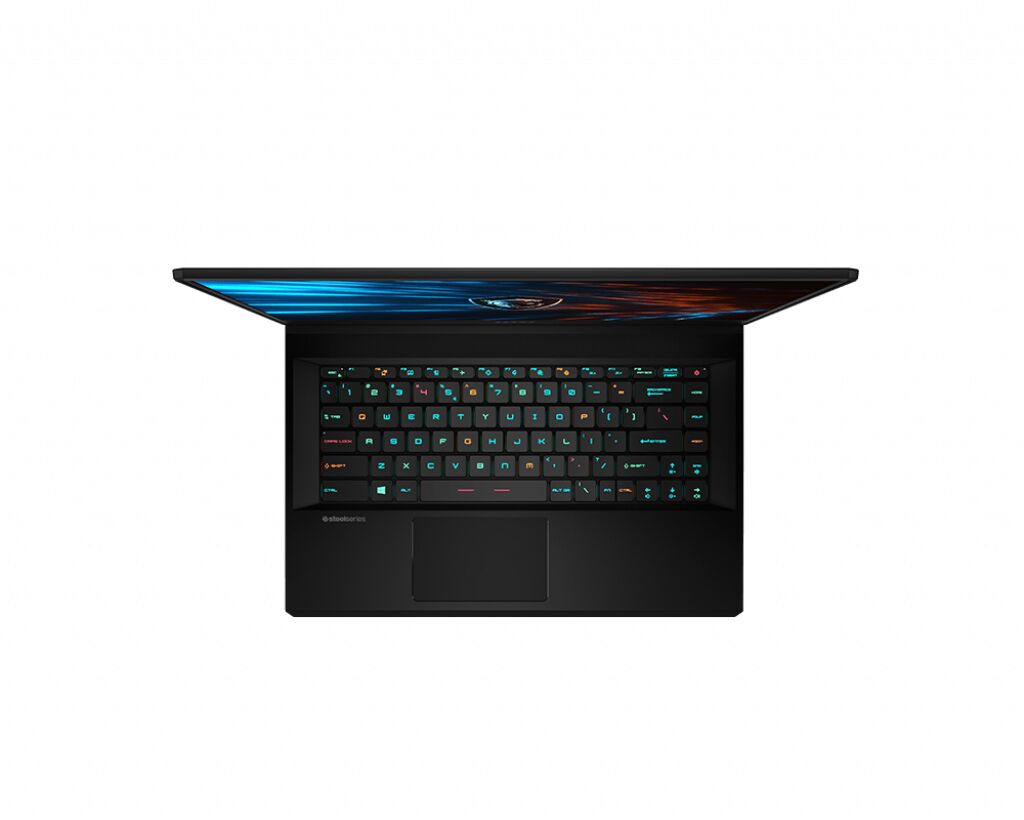
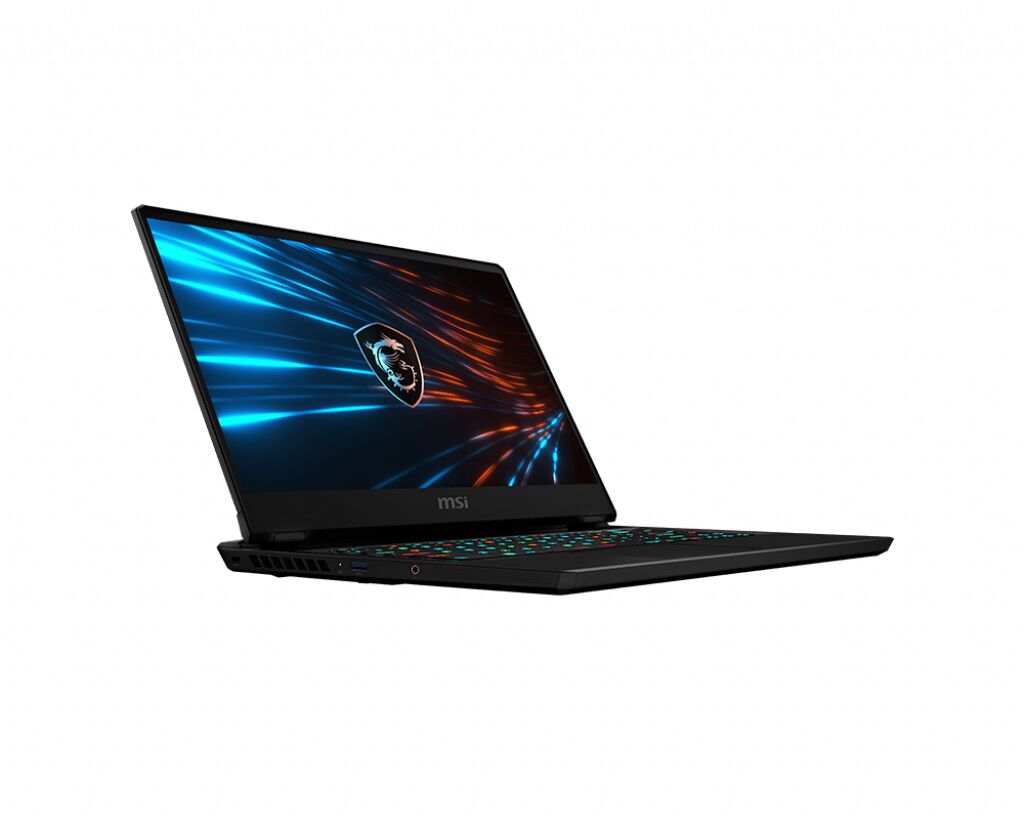
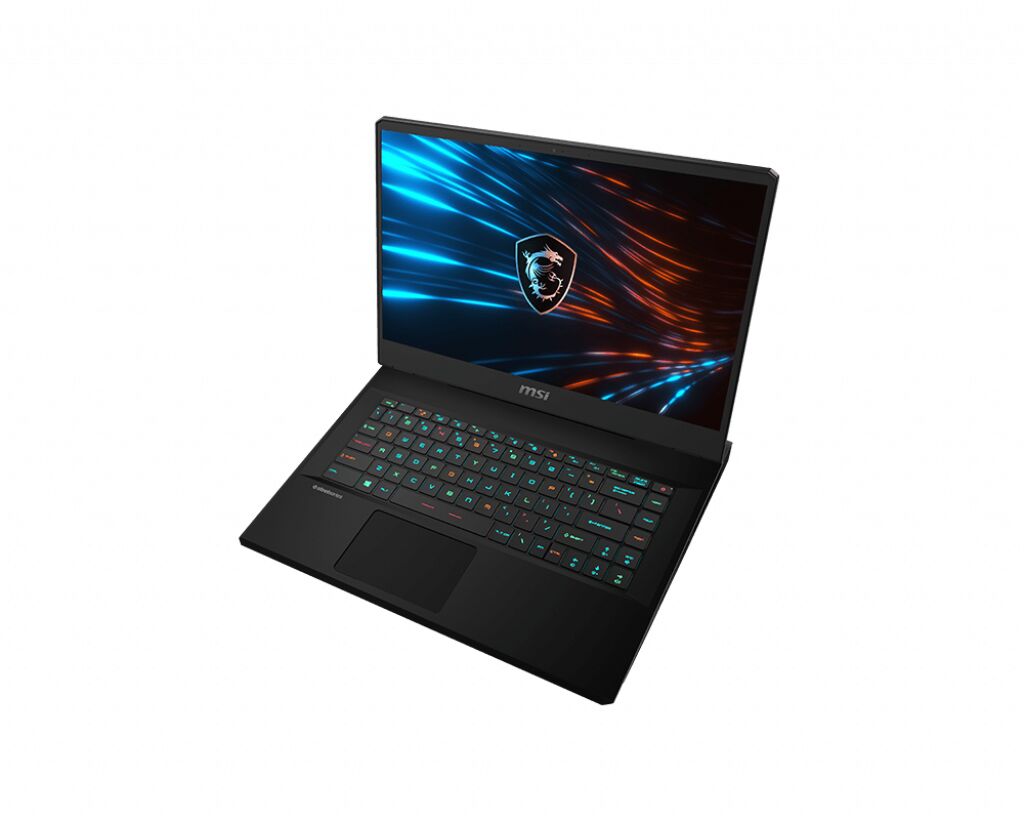
MSI GP66 10UG-074IT Leopard gaming laptop memory upgrade specifications include DDR4-SDRAM compatibility with two SO-DIMM slots supporting maximum capacity of 64 GB total RAM. The upgrade slots accept DDR4 memory modules operating at 3200 MHz frequency. Compatible memory upgrades must utilize SO-DIMM form factor specifications for proper installation in the GP66 Leopard series.
Memory Upgrade Specifications
| Specification | Value |
|---|---|
| Memory slots | 2x SO-DIMM |
| Form factor | SO-DIMM |
| Memory type | DDR4-SDRAM |
| Frequency | 3200 MHz |
| Maximum RAM | 64 GB |
| Voltage | 1.2V |
| Number of pins | 260-pin |
| Interface | PC4 |
| PC Speed Rating | PC4-3200 (PC4-25600) |
| Bandwidth | 25.6 GB/s |
| Laptop Release date | 15 January 2021 |
Additional Notes
- The MSI GP66 10UG-074IT Leopard supports dual-channel memory architecture, enabling simultaneous data access across both slots for approximately double the theoretical bandwidth compared to single-channel configurations.
- Memory modules must be physically smaller than standard desktop DIMMs to fit the notebook's internal chassis constraints, requiring SO-DIMM form factor purchases rather than full-size modules.
- Achieving the 64 GB ceiling requires purchasing 32 GB modules for each slot, limiting configuration flexibility compared to systems with 4 slots where the same capacity could be distributed differently.
- The 3200 MHz specification represents a JEDEC standard frequency requiring compatible modules to avoid automatic downclocking to lower JEDEC fallback speeds like 2933 MHz or 2666 MHz.
- Installing unmatched module capacities across the 2 slots forces the system into asymmetric dual-channel mode or single-channel operation, reducing memory subsystem throughput.
- Access to memory slots typically requires bottom panel removal and may involve disconnecting the battery connector to prevent electrical damage during installation.
- Mixing modules with different CAS latencies or primary timings can force both modules to operate at the slower timing profile, increasing memory access delays.
- The 64 GB maximum is a chipset or BIOS limitation rather than a slot count restriction, making higher capacities impossible even with theoretical future higher-density modules.
- DDR4 operates at lower voltage than DDR3, preventing backward compatibility and requiring voltage-specific modules to avoid physical installation interference from keying notch misalignment.
- Warranty preservation typically requires avoiding anti-static precautions failures during installation, though memory upgrades themselves rarely void manufacturer coverage in most jurisdictions.