MSI Gaming GP66 12UGS-052AU Vector RAM upgrade specifications
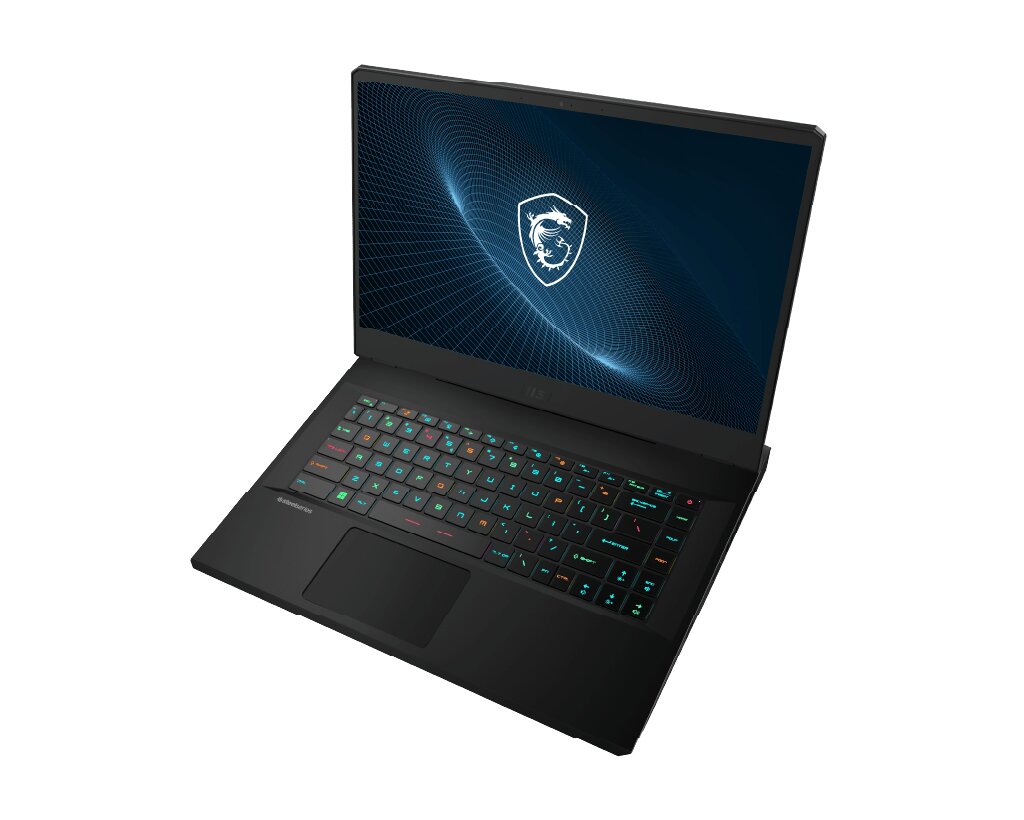
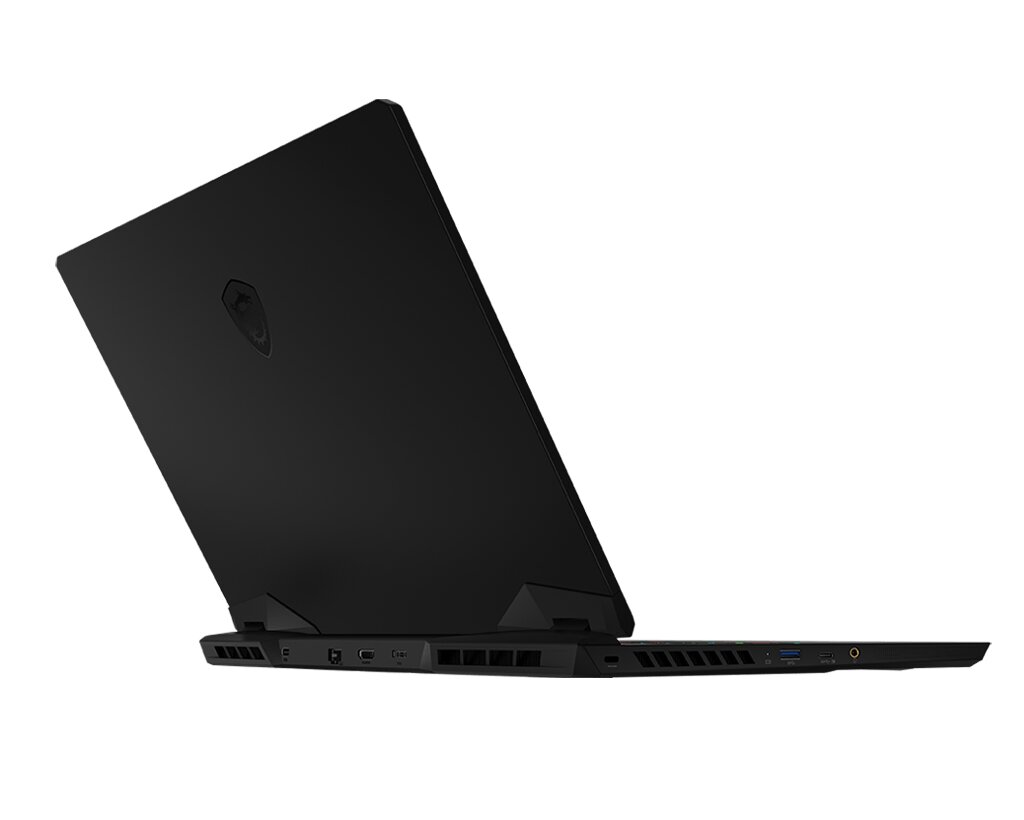
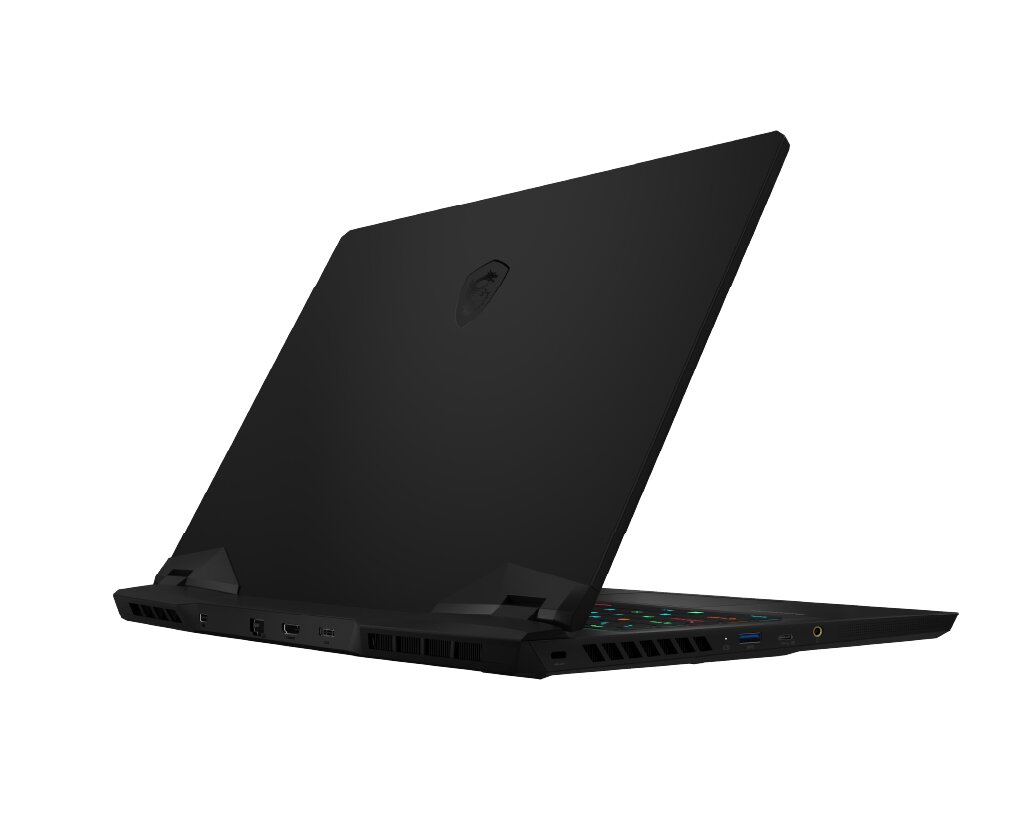
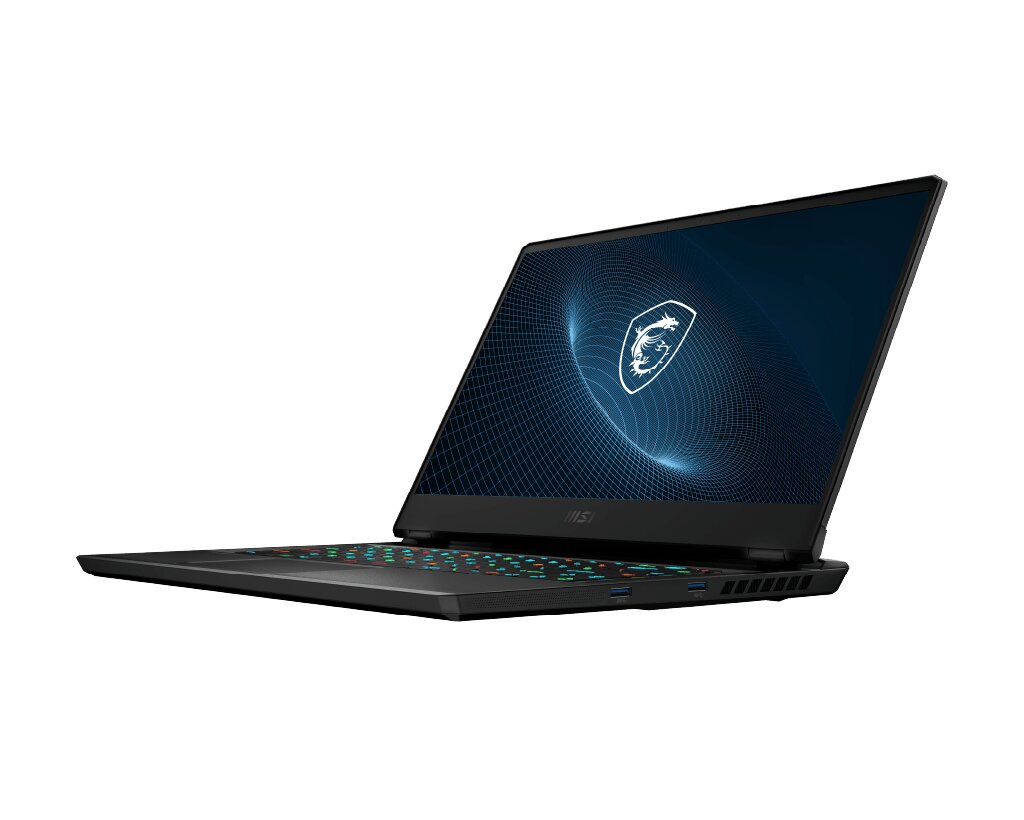
The MSI GP66 12UGS-052AU Vector gaming laptop contains two SO-DIMM slots supporting DDR4-SDRAM memory upgrades. The system accommodates a maximum RAM capacity of 64 GB total, with compatible modules operating at 3200 MHz frequency. Memory upgrade specifications indicate SO-DIMM form factor compatibility for both upgrade slots on the MSI Gaming GP series model, enabling users to expand installed memory to the maximum supported capacity through compatible DDR4 modules.
Memory Upgrade Specifications
| Specification | Value |
|---|---|
| Memory slots | 2x SO-DIMM |
| Form factor | SO-DIMM |
| Memory type | DDR4-SDRAM |
| Frequency | 3200 MHz |
| Maximum RAM | 64 GB |
| Voltage | 1.2V |
| Number of pins | 260-pin |
| Interface | PC4 |
| PC Speed Rating | PC4-3200 (PC4-25600) |
| Bandwidth | 25.6 GB/s |
| Laptop Release date | 05 May 2022 |
Additional Notes
- The MSI GP66 12UGS-052AU Vector contains 2 SO-DIMM slots operating in dual-channel configuration, which means memory upgrades must be performed in pairs to maintain bandwidth symmetry and prevent performance degradation from single-channel bottlenecking.
- DDR4-3200 memory operates at a latency disadvantage compared to DDR5 specifications common in newer platforms, resulting in higher access times that may bottleneck CPU performance during memory-intensive gaming or content creation workloads.
- The 64 GB maximum capacity constraint is determined by SO-DIMM module availability rather than chipset limitations, meaning 32 GB individual modules currently represent the practical ceiling for upgrades through mainstream retail channels.
- Populated dual-channel memory configuration cannot be upgraded to single-slot operation without inducing single-channel mode penalties, so existing modules must be retained or replaced as matching pairs to preserve bandwidth delivery to the processor and GPU.
- DDR4-3200 native frequency support indicates compatibility only with modules rated at 3200 MHz or lower, as higher-frequency kits may not initialize properly or could operate at reduced speeds, negating performance investment.
- SO-DIMM physical form factor restricts upgrade sources to laptop-specific memory vendors, eliminating desktop DIMM alternatives and reducing competitive pricing typical of consumer-grade memory markets.
- Installation of additional memory modules does not alter thermal or mechanical tolerances within the chassis, so upgrades proceed without warranty implications related to component fitment or airflow disruption.