MSI Gaming GP66 12UGS-267 Vector RAM upgrade specifications

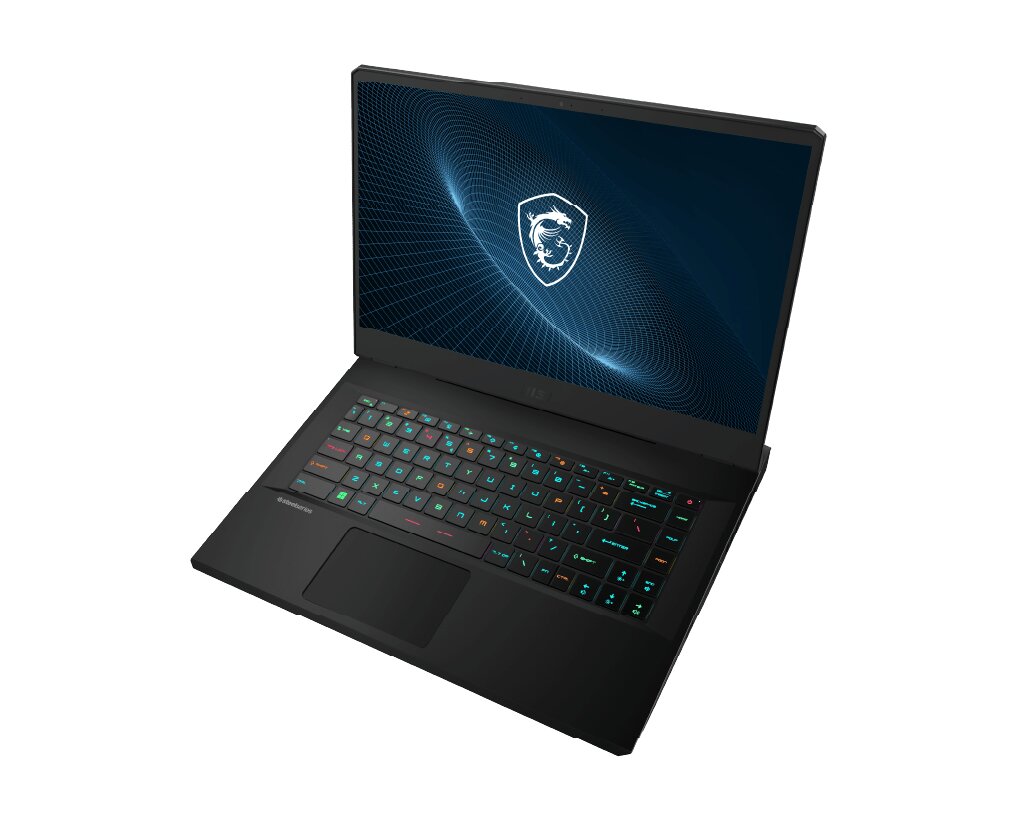
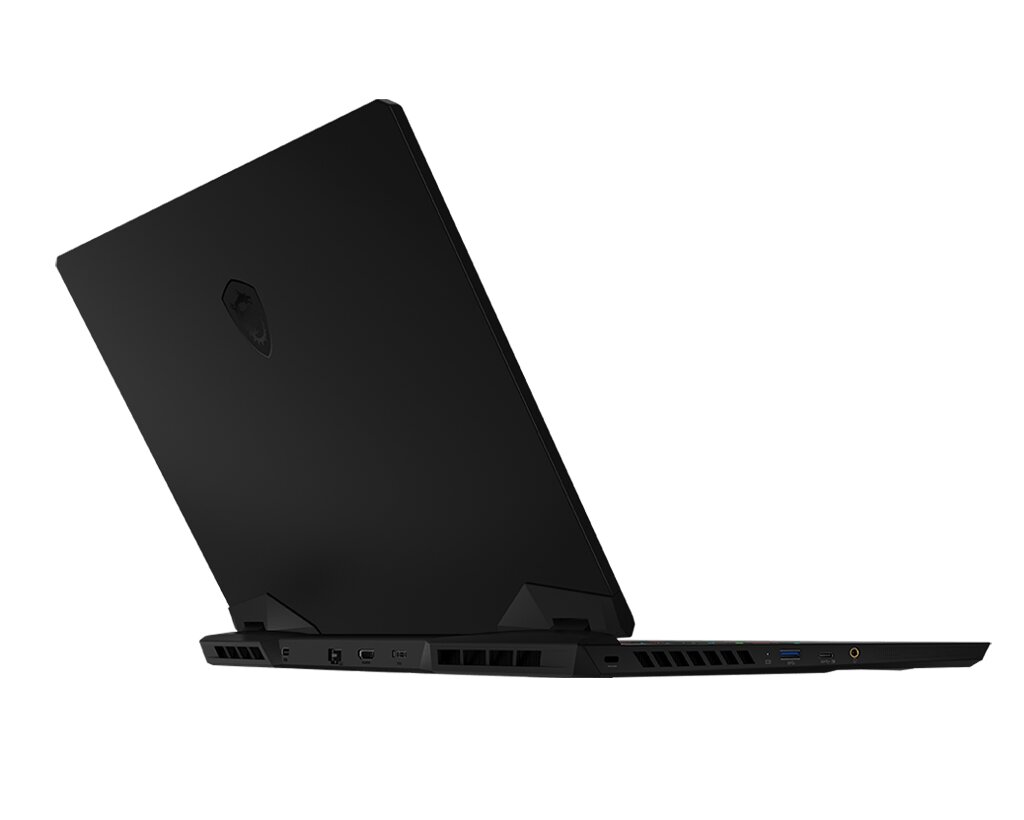
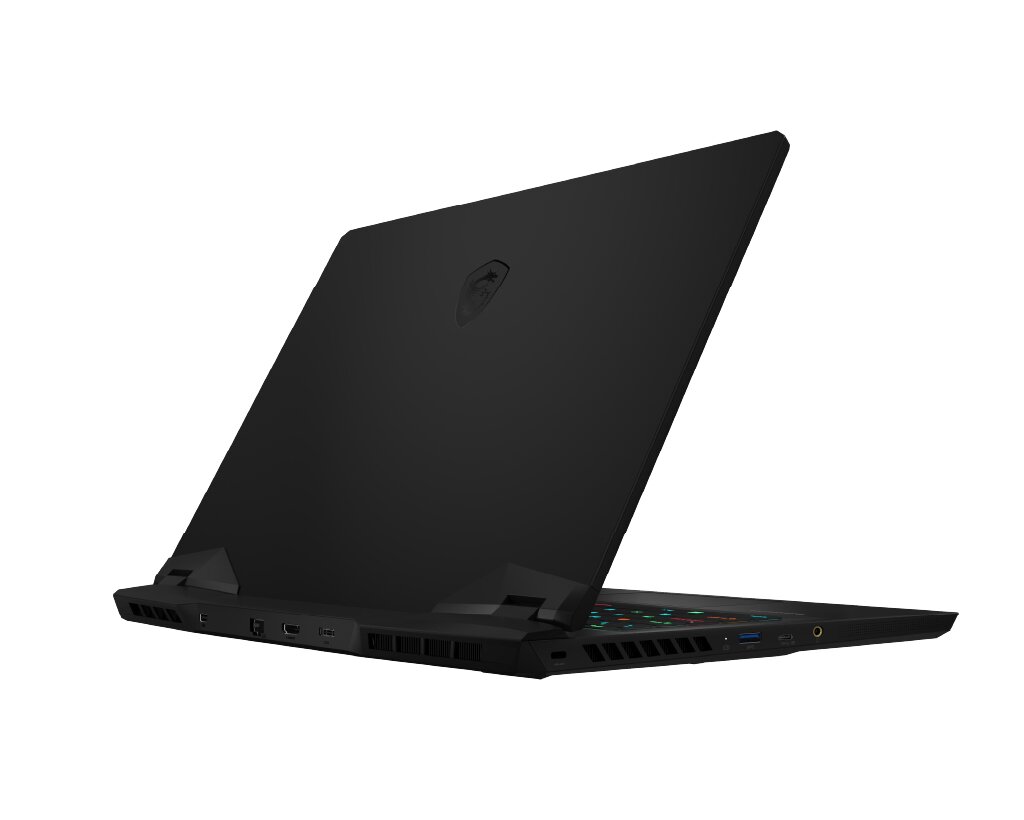
MSI GP66 12UGS-267 Vector gaming laptop supports DDR4-SDRAM memory upgrades through two SO-DIMM slots. Maximum RAM capacity reaches 64 GB total, with compatible modules operating at 3200 MHz frequency. Specifications indicate upgrade compatibility with standard DDR4 SO-DIMM form factor memory modules. Current configuration and available slots determine upgrade capacity options for this MSI GP series gaming model.
Memory Upgrade Specifications
| Specification | Value |
|---|---|
| Memory slots | 2x SO-DIMM |
| Form factor | SO-DIMM |
| Memory type | DDR4-SDRAM |
| Frequency | 3200 MHz |
| Maximum RAM | 64 GB |
| Voltage | 1.2V |
| Number of pins | 260-pin |
| Interface | PC4 |
| PC Speed Rating | PC4-3200 (PC4-25600) |
| Bandwidth | 25.6 GB/s |
| Laptop Release date | 01 March 2022 |
Additional Notes
- The MSI GP66 12UGS-267 Vector supports dual-channel memory architecture through its 2 SO-DIMM slots, enabling theoretical bandwidth of up to 51.2 GB/s when both channels operate simultaneously with matched modules at 3200 MHz.
- Mixing RAM modules with different speeds will force all installed memory to operate at the frequency of the slowest module, potentially creating a performance bottleneck if pairing 3200 MHz modules with lower-speed components.
- Installing a single RAM module disables dual-channel operation, effectively halving memory bandwidth to approximately 25.6 GB/s, which may impact performance in memory-intensive gaming and content creation workloads.
- The 64 GB maximum capacity constraint requires specific module configurations: either 2x32 GB modules or accepting reduced total capacity with smaller paired modules.
- DDR4 SO-DIMM modules require physical compatibility with 260-pin connectors and operate at 1.2V standard voltage, distinguishing them from incompatible DDR3 or DDR5 modules which have different pin counts and voltage requirements.
- Installing modules with higher frequency ratings than 3200 MHz will result in automatic downclocking to the chipset-supported maximum, preventing those modules from operating at their rated specifications.
- Accessing internal SO-DIMM slots typically requires removing the bottom panel, which may involve breaking manufacturer seals that could affect warranty status depending on regional regulations.
- Mismatched module capacities between slots maintains dual-channel operation only up to the capacity of the smaller module, with any excess capacity on the larger module reverting to single-channel mode.
- The SO-DIMM form factor measures approximately 67.6mm in length, significantly smaller than desktop DIMM modules, making standard desktop RAM physically incompatible with this configuration.
- Memory operating at 3200 MHz translates to CL22 latency specifications in most standard modules, equating to approximately 13.75 nanoseconds of absolute latency for initial data access.