MSI Gaming GP66 Leopard RAM upgrade specifications
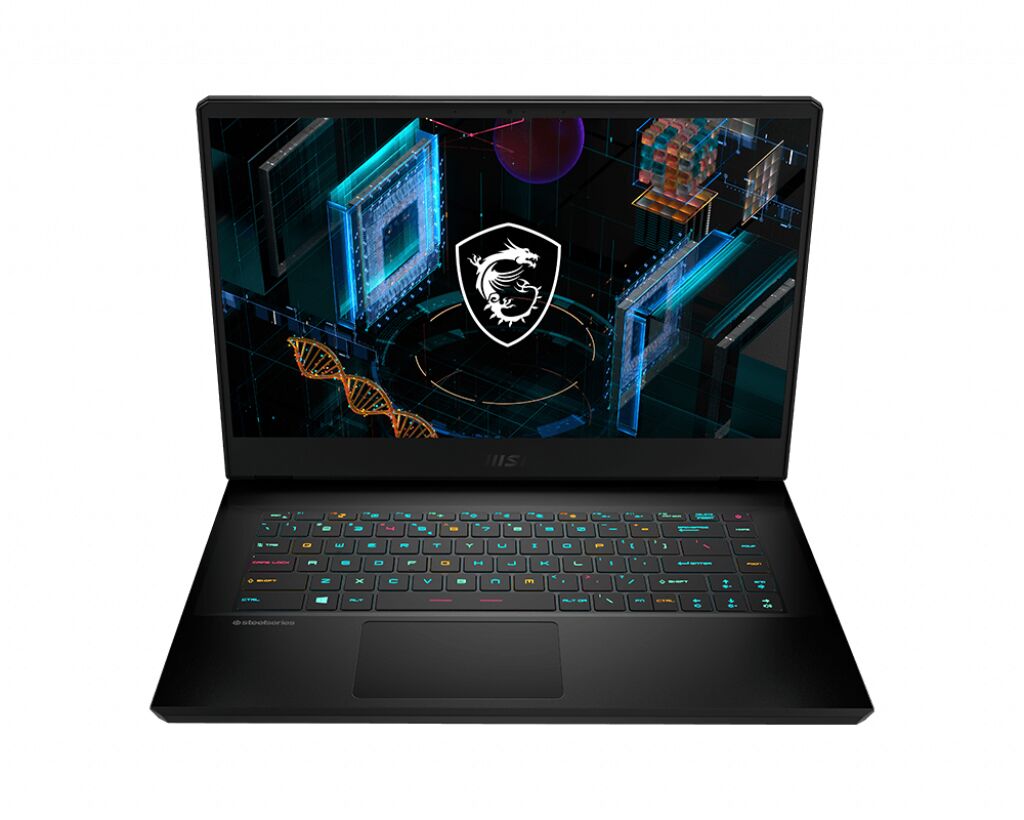
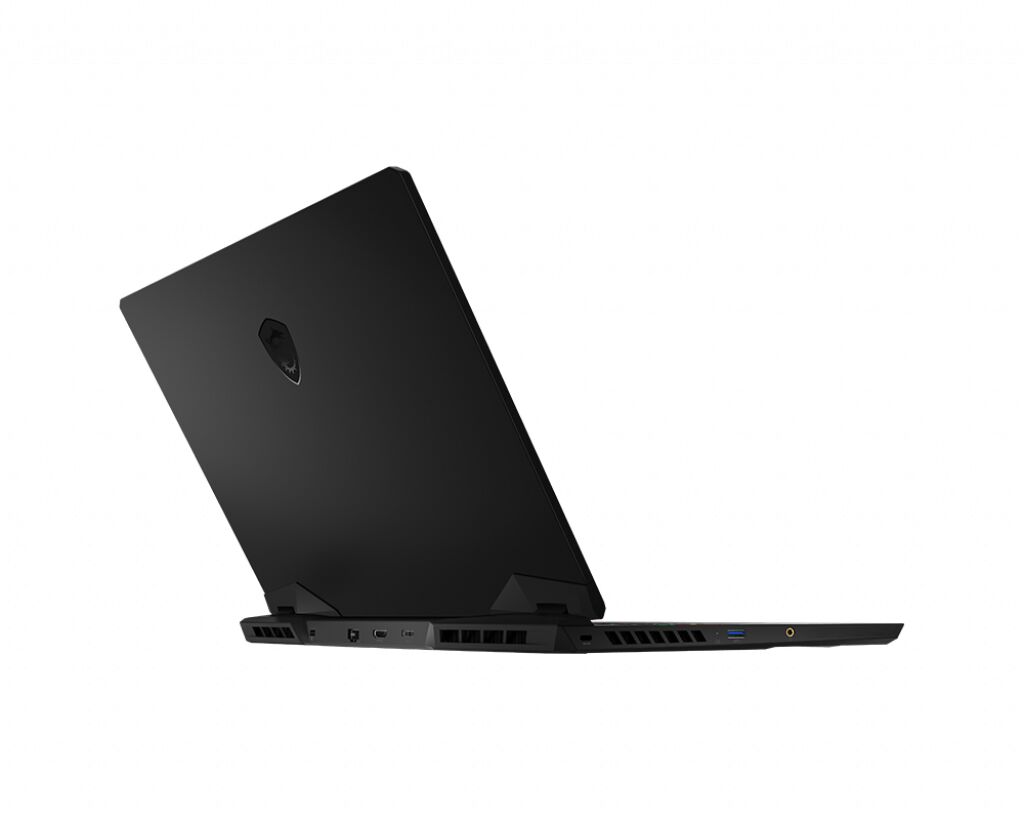
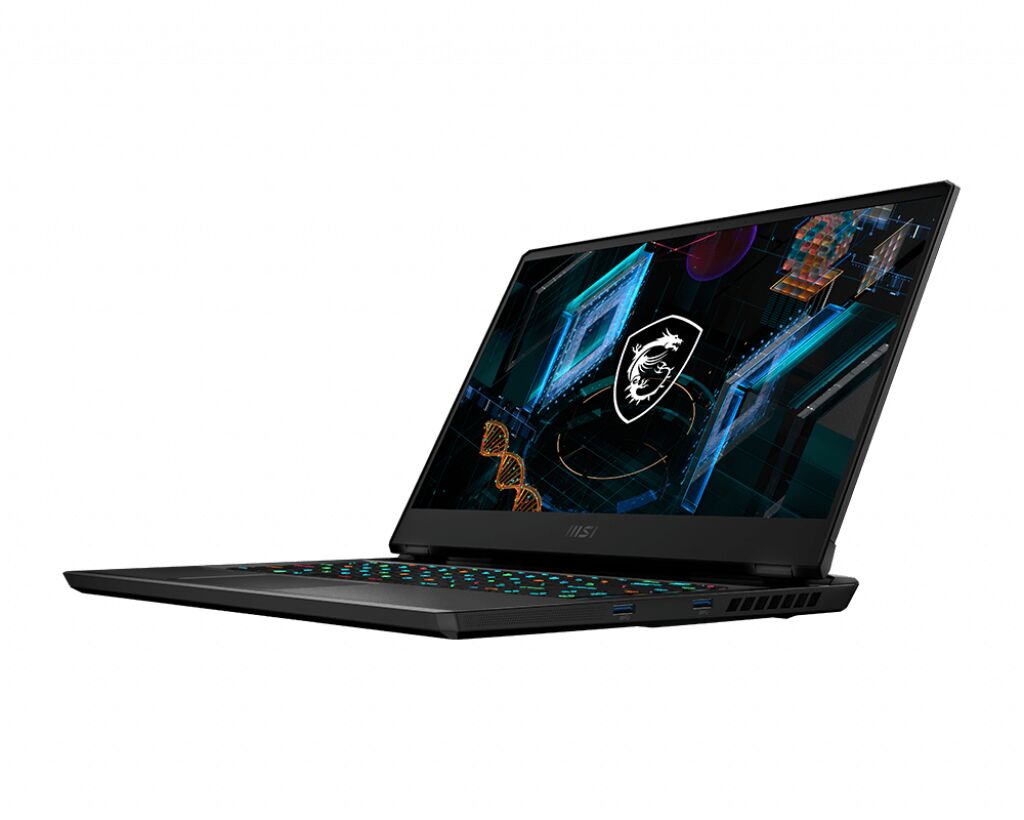
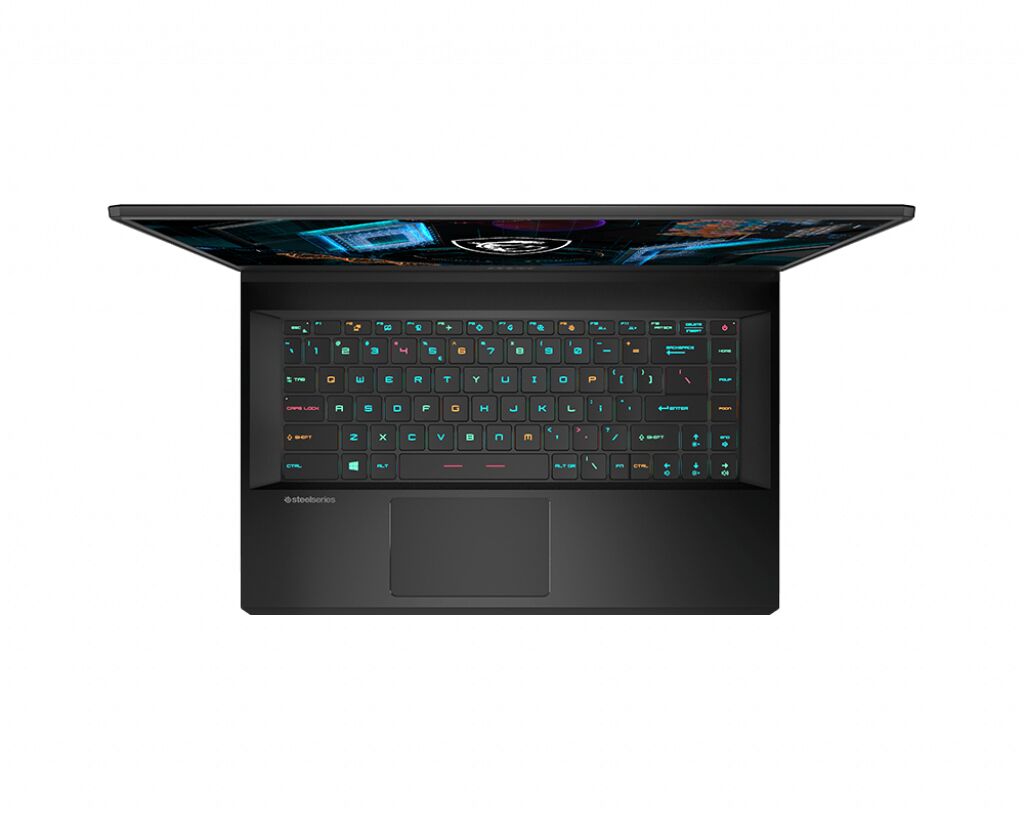
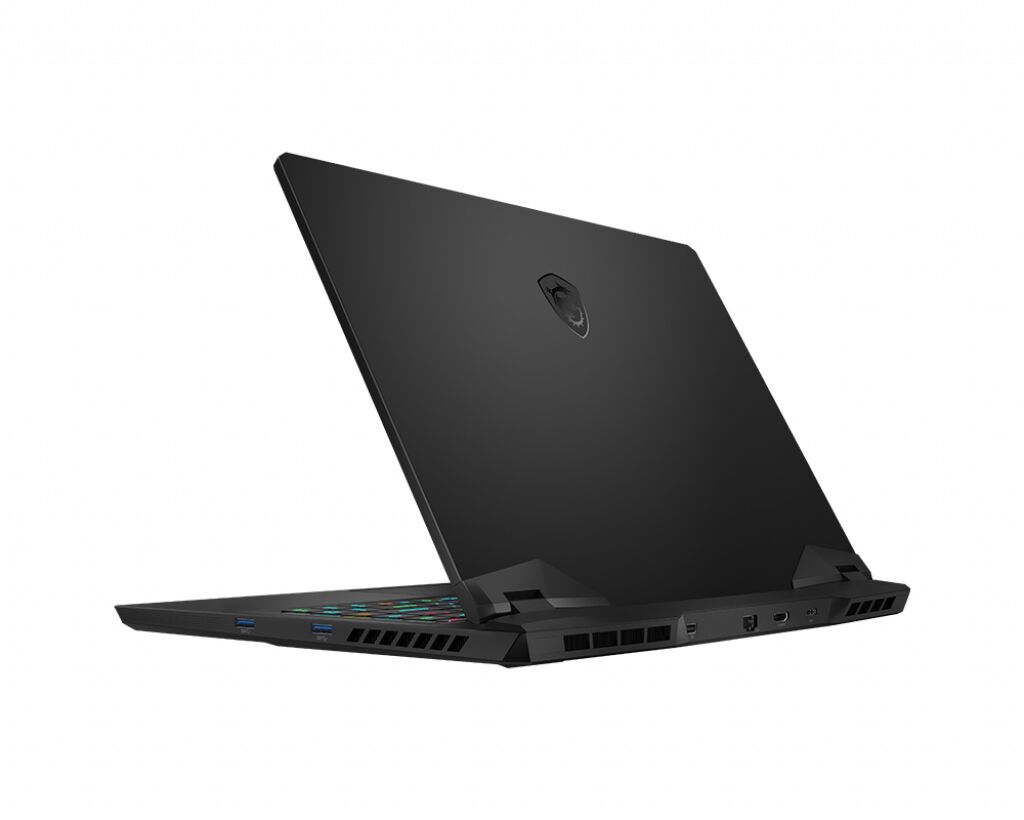
MSI GP66 Leopard gaming laptop specifications include DDR4-SDRAM memory upgrade capabilities. The system features 2x SO-DIMM slots supporting SO-DIMM form factor modules operating at 3200 MHz frequency. Maximum memory capacity reaches 64 GB total. Compatible memory modules must meet DDR4-SDRAM specifications for proper installation in the designated slots. Upgrade options allow expansion from base configurations up to the maximum 64 GB capacity. The GP series gaming platform supports memory configuration flexibility through dual SO-DIMM slot architecture for user-accessible memory upgrades.
Memory Upgrade Specifications
| Specification | Value |
|---|---|
| Memory slots | 2x SO-DIMM |
| Form factor | SO-DIMM |
| Memory type | DDR4-SDRAM |
| Frequency | 3200 MHz |
| Maximum RAM | 64 GB |
| Voltage | 1.2V |
| Number of pins | 260-pin |
| Interface | PC4 |
| PC Speed Rating | PC4-3200 (PC4-25600) |
| Bandwidth | 25.6 GB/s |
| Laptop Release date | 13 May 2021 |
Additional Notes
- Dual channel architectural symmetry requires matching module pairs to utilize the full available memory controller bandwidth.
- The 2 slot physical limitation dictates that reaching the total 64 GB capacity necessitates the replacement of existing modules rather than simple expansion.
- Installation of memory clocked higher than 3200 MHz will result in automatic downclocking to meet the fixed hardware frequency ceiling.
- Internal component access for the MSI GP66 Leopard requires the removal of the entire bottom chassis panel which exposes sensitive thermal solutions and cooling fans.
- The SO DIMM interface prevents the use of full sized desktop memory and limits upgrades to mobile specific hardware profiles.
- Latency variations between different brands of DDR4 modules can trigger system instability if the onboard controller cannot synchronize timing cycles.
- High capacity 32 GB modules may generate additional localized heat within the memory banks during sustained heavy rendering or gaming workloads.
- Upgrading to the maximum threshold provides significant overhead for large scale 4K video editing and virtual machine environments but does not inherently increase frame rates in GPU bound scenarios.