MSI Gaming GP66 Leopard 10UG-221FR RAM upgrade specifications
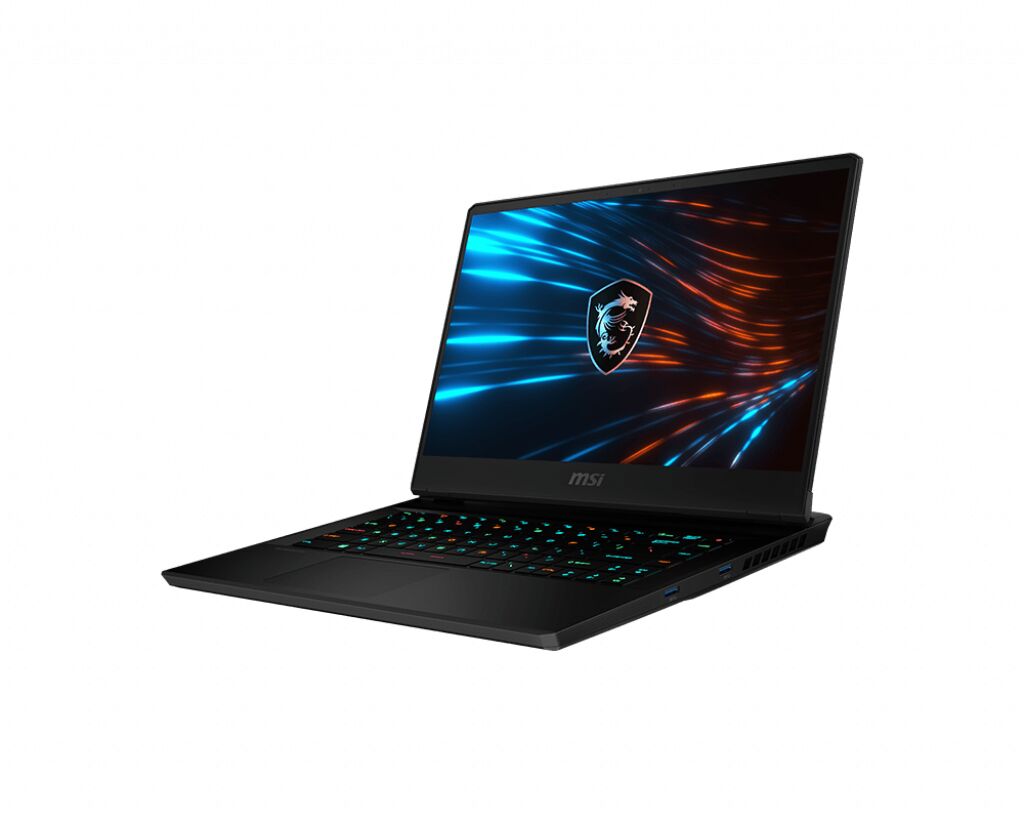
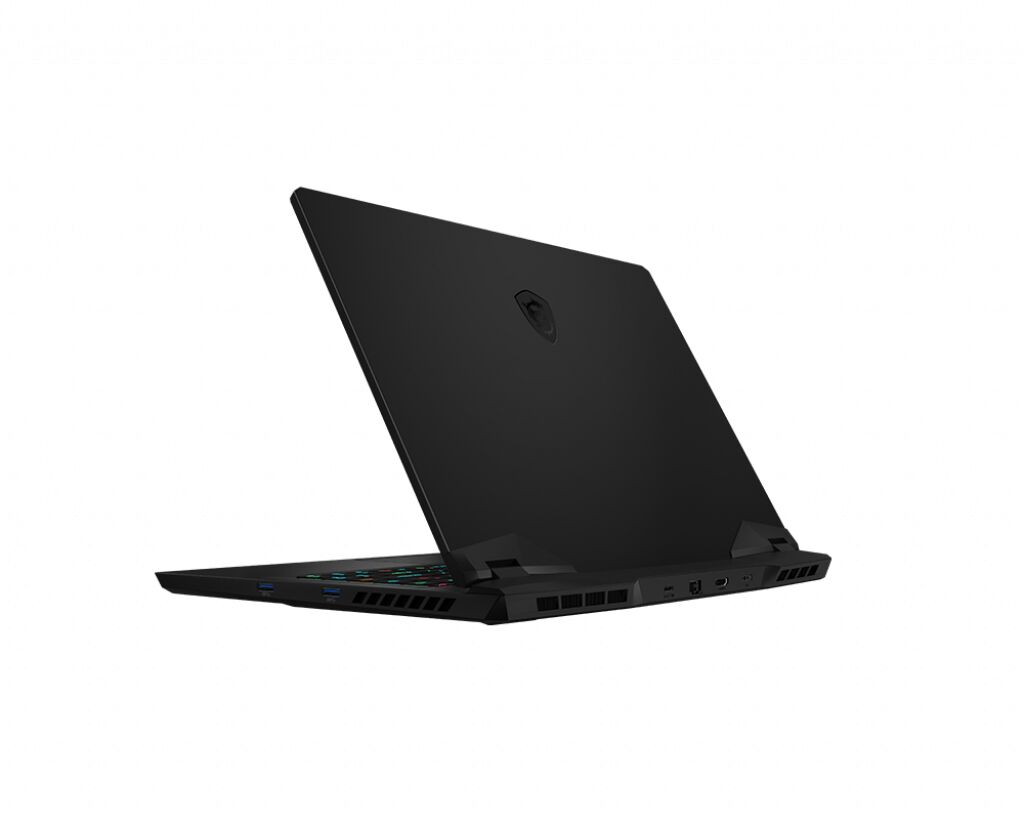
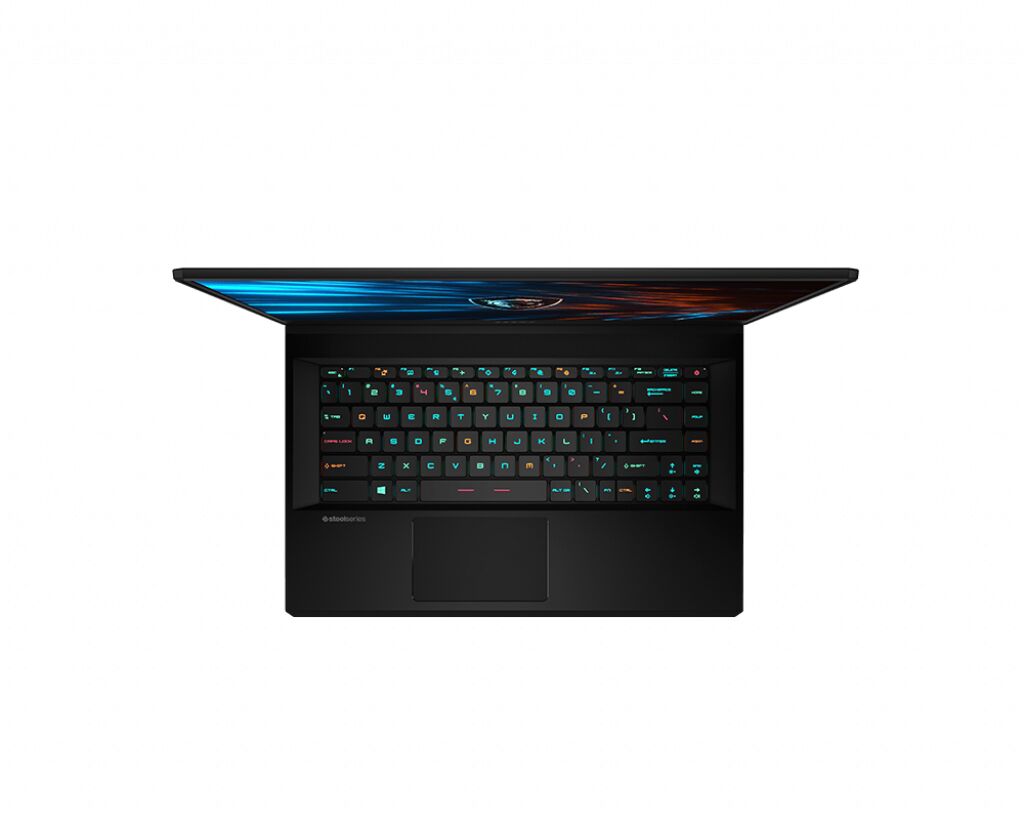
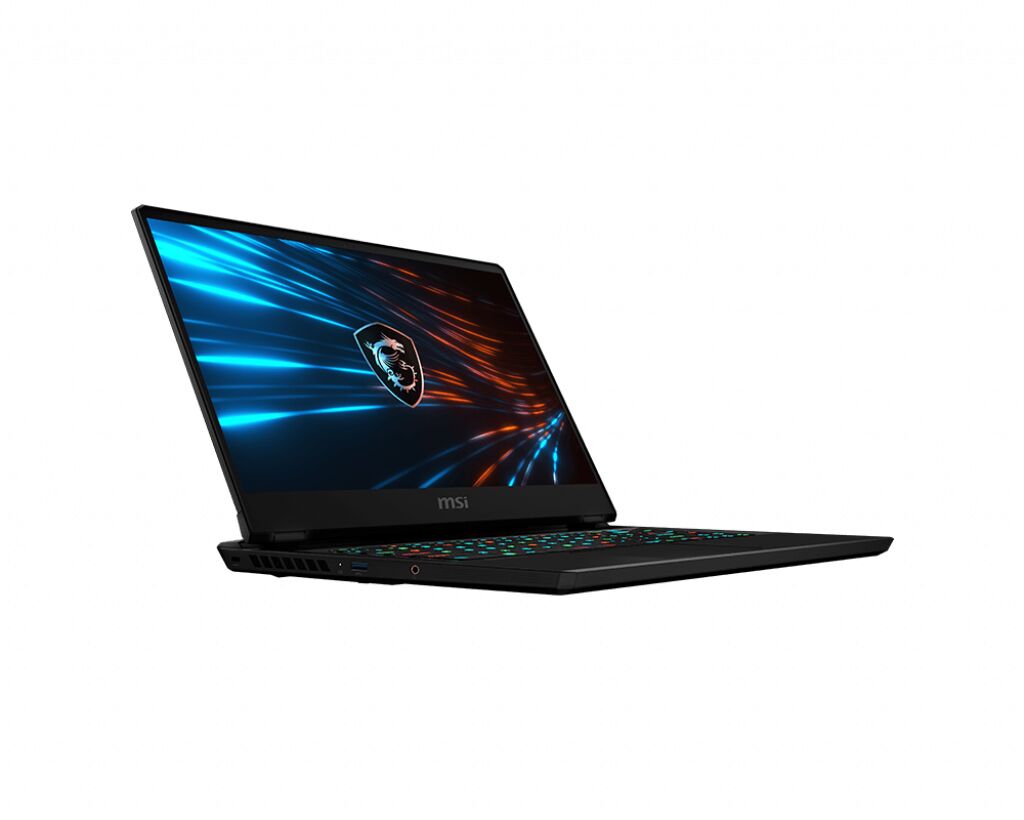
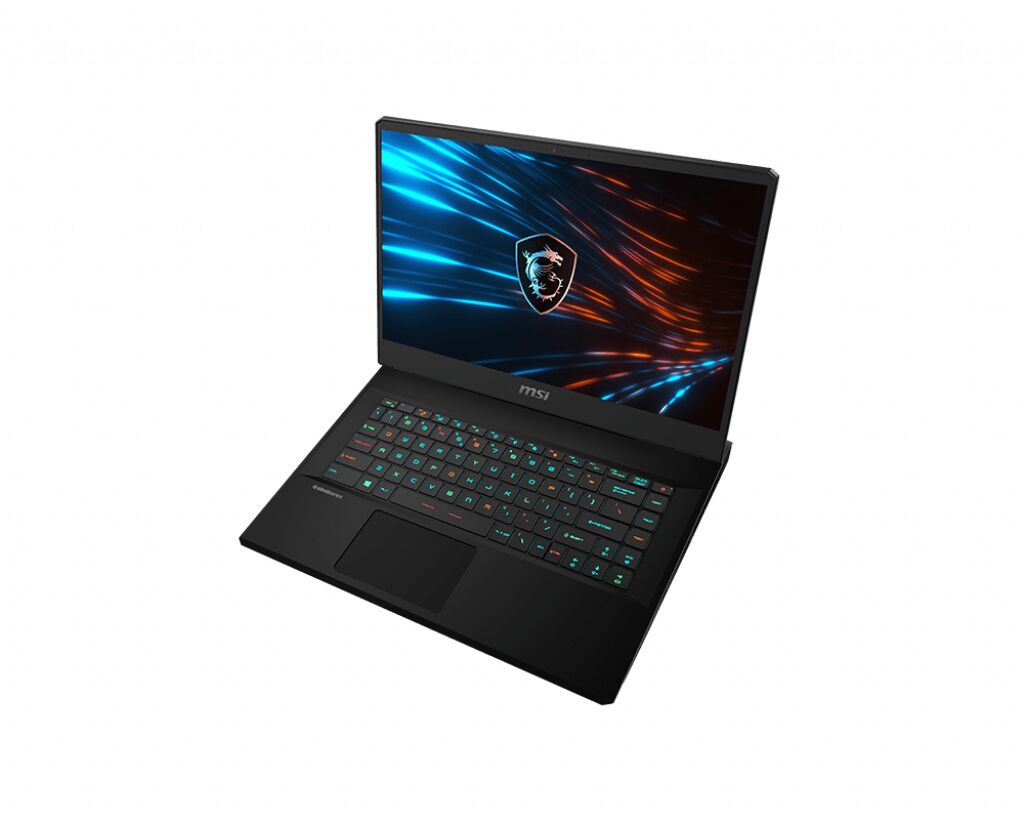
The MSI GP66 Leopard 10UG-221FR gaming laptop features DDR4-SDRAM memory upgrade specifications. The system contains 2x SO-DIMM slots supporting maximum RAM capacity of 64 GB. Memory modules operate at 3200 MHz frequency with SO-DIMM form factor. Compatible upgrades must match DDR4-SDRAM specifications for proper functionality in the Gaming Series GP66 model. Current memory configuration can be expanded by replacing or adding compatible modules to reach the maximum 64 GB capacity supported by the laptop's architecture.
Memory Upgrade Specifications
| Specification | Value |
|---|---|
| Memory slots | 2x SO-DIMM |
| Form factor | SO-DIMM |
| Memory type | DDR4-SDRAM |
| Frequency | 3200 MHz |
| Maximum RAM | 64 GB |
| Voltage | 1.2V |
| Number of pins | 260-pin |
| Interface | PC4 |
| PC Speed Rating | PC4-3200 (PC4-25600) |
| Bandwidth | 25.6 GB/s |
| Laptop Release date | 04 February 2021 |
Additional Notes
- The dual channel configuration requirement necessitates installing modules in matched pairs to ensure the processor achieves maximum theoretical memory bandwidth.
- Hardware limitations within the 10th Gen Intel architecture on the MSI GP66 Leopard 10UG-221FR may result in the system downclocking the memory to 2933 MHz despite the 3200 MHz rating of the modules.
- Physical installation of 64 GB requires the removal of all factory installed memory because the motherboard lacks additional vacant slots.
- High density 32 GB modules must use a non ECC unbuffered design to maintain compatibility with the integrated memory controller.
- Accessing the SO-DIMM slots involves the removal of the entire base panel which might require breaking a factory seal depending on regional warranty policies.
- Latency performance depends on the CAS latency rating of the replacement sticks as the BIOS typically lacks manual timing adjustment options for standard SO-DIMM kits.
- Thermal headroom for the internal components remains affected by the proximity of the RAM slots to the heat pipes shared by the GPU and CPU during heavy gaming loads.