MSI Gaming GP72M 7REX-694NE Leopard Pro RAM upgrade specifications

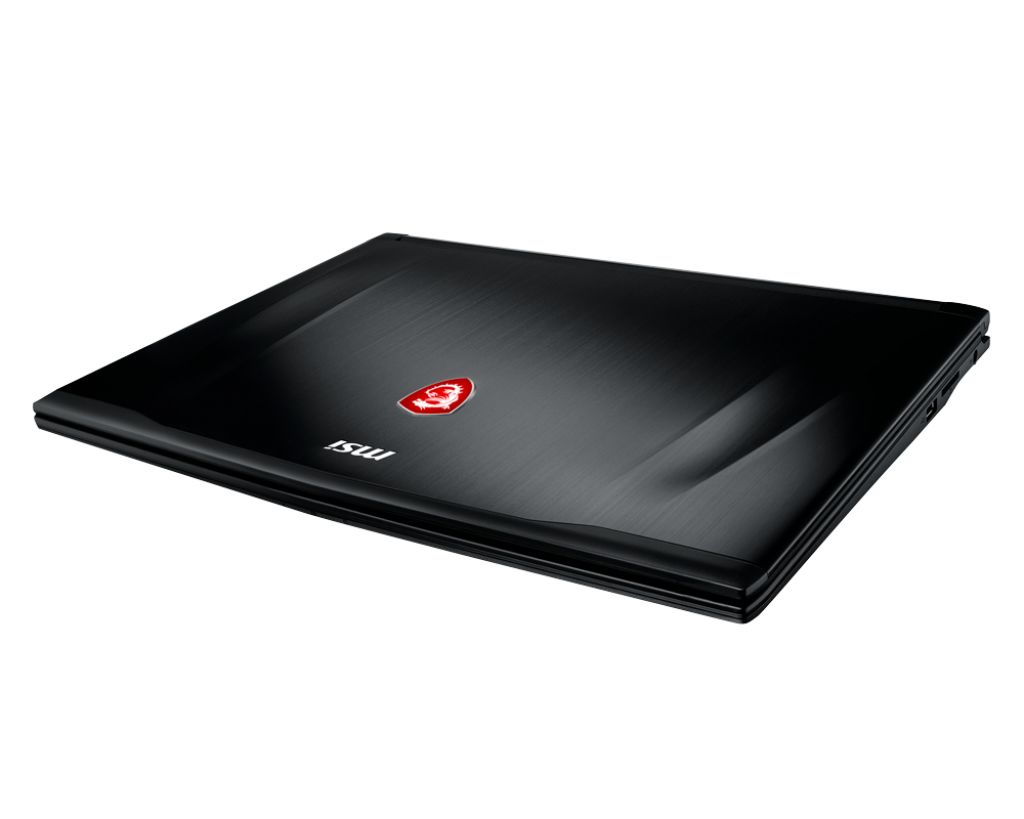


MSI GP72M 7REX-694NE Leopard Pro gaming laptop supports DDR4-SDRAM memory upgrades. The system features 2x SO-DIMM slots with maximum capacity of 32 GB total RAM. Compatible memory operates at 2400 MHz frequency using SO-DIMM form factor. Upgrade specifications indicate DDR4 modules are required for this GP series gaming notebook. Maximum supported memory configuration allows installations up to 32 GB capacity across available slots.
Memory Upgrade Specifications
| Specification | Value |
|---|---|
| Memory slots | 2x SO-DIMM |
| Form factor | SO-DIMM |
| Memory type | DDR4-SDRAM |
| Frequency | 2400 MHz |
| Maximum RAM | 32 GB |
| Voltage | 1.2V |
| Number of pins | 260-pin |
| Interface | PC4 |
| PC Speed Rating | PC4-2400 (PC4-19200) |
| Bandwidth | 19.2 GB/s |
| Laptop Release date | 05 March 2018 |
Additional Notes
- The MSI GP72M 7REX-694NE Leopard Pro chipset limitations prevent recognition of modules exceeding 16 GB per slot, regardless of whether higher-capacity SO-DIMMs physically fit into the sockets.
- DDR4-2400 represents the maximum stable frequency for this platform generation, while DDR4-2666 or faster modules will downclock to 2400 MHz, eliminating any performance benefit from higher-speed purchases.
- Dual-channel configuration requires matched module specifications across both populated slots to avoid reverting to single-channel operation, which reduces memory bandwidth by approximately 50 percent.
- Non-matching CAS latencies between installed modules force the memory controller to adopt the slower timing profile, potentially degrading responsiveness in latency-sensitive workloads.
- SO-DIMM installation in gaming laptops typically requires bottom panel removal, which may involve multiple screw types and fragile ribbon cable routing near the memory compartment.
- Mixing unbuffered and registered SO-DIMMs triggers immediate POST failures, as the memory controller cannot initialize incompatible module architectures simultaneously.
- Thermal constraints in 17-inch chassis designs often position memory modules adjacent to heat-generating components, where sustained temperatures above 85 degrees Celsius accelerate degradation of standard-grade DDR4.
- Warranty preservation requires avoiding static discharge damage during installation, as memory-related component failures frequently void coverage when attributed to improper handling procedures.
- The 2-slot configuration eliminates incremental upgrade flexibility, necessitating full module replacement when transitioning from 16 GB to 32 GB capacity tiers.
- Voltage deviations beyond the DDR4 standard 1.2V specification risk triggering thermal shutdown protection or permanent damage to the integrated memory controller.