MSI Gaming GP72M 7RDX-1493ES Leopard RAM upgrade specifications
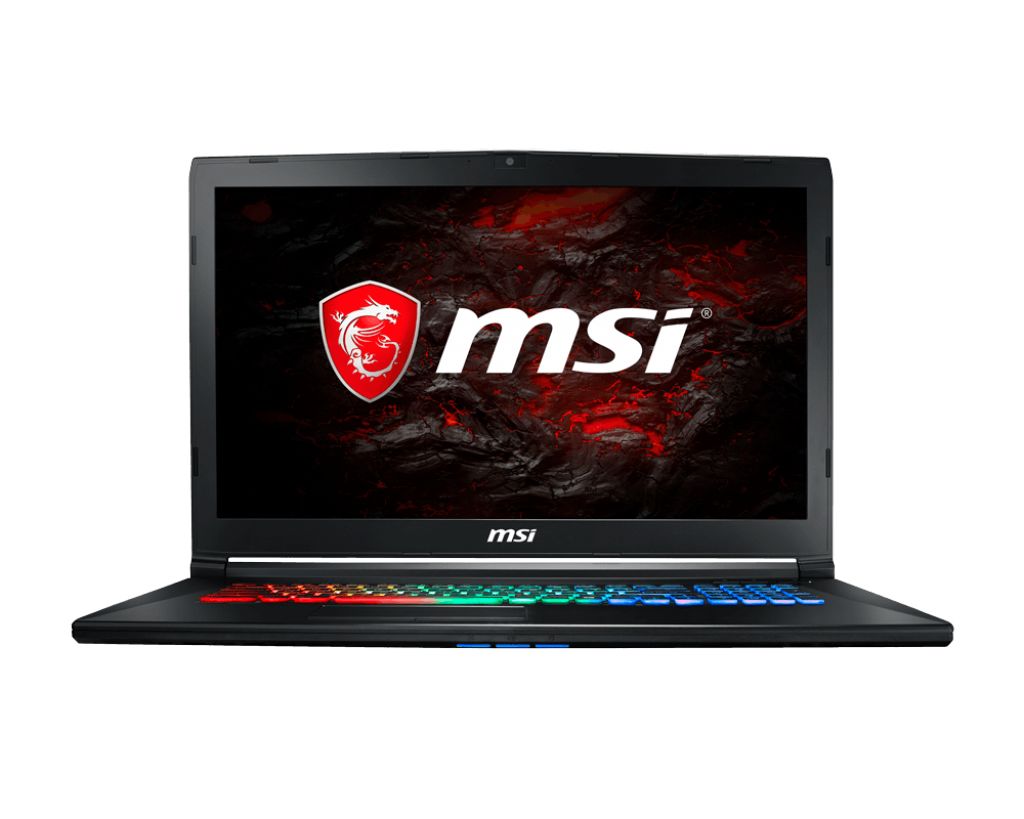
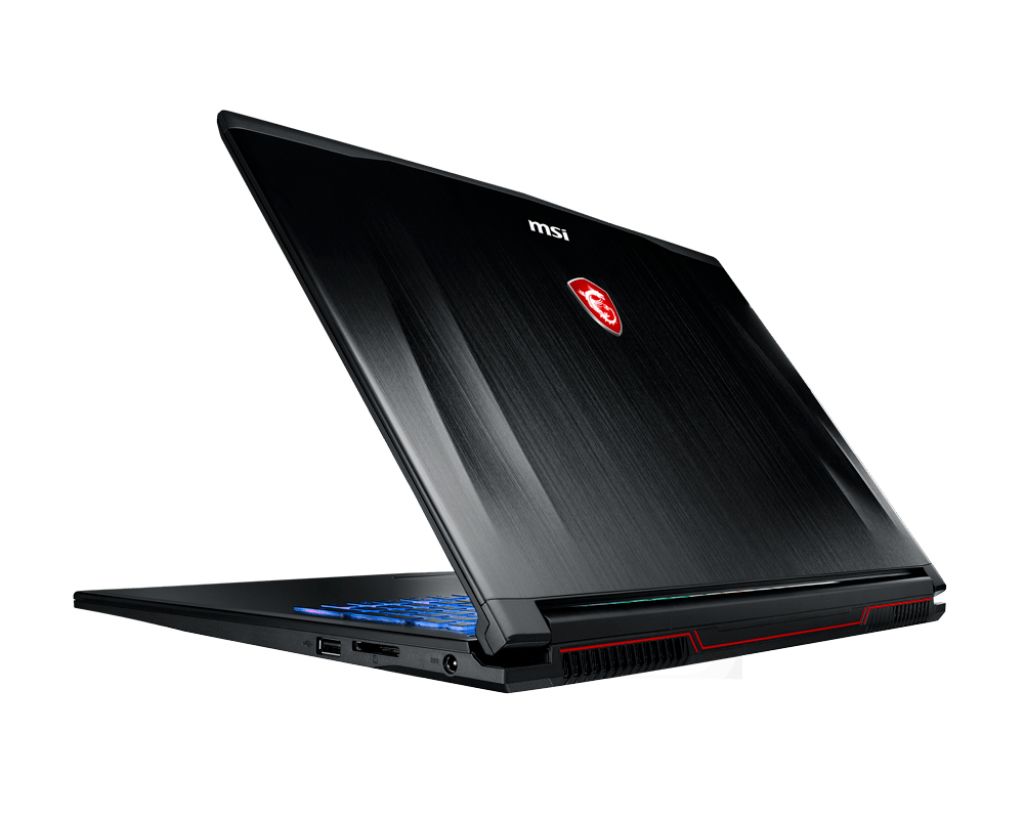
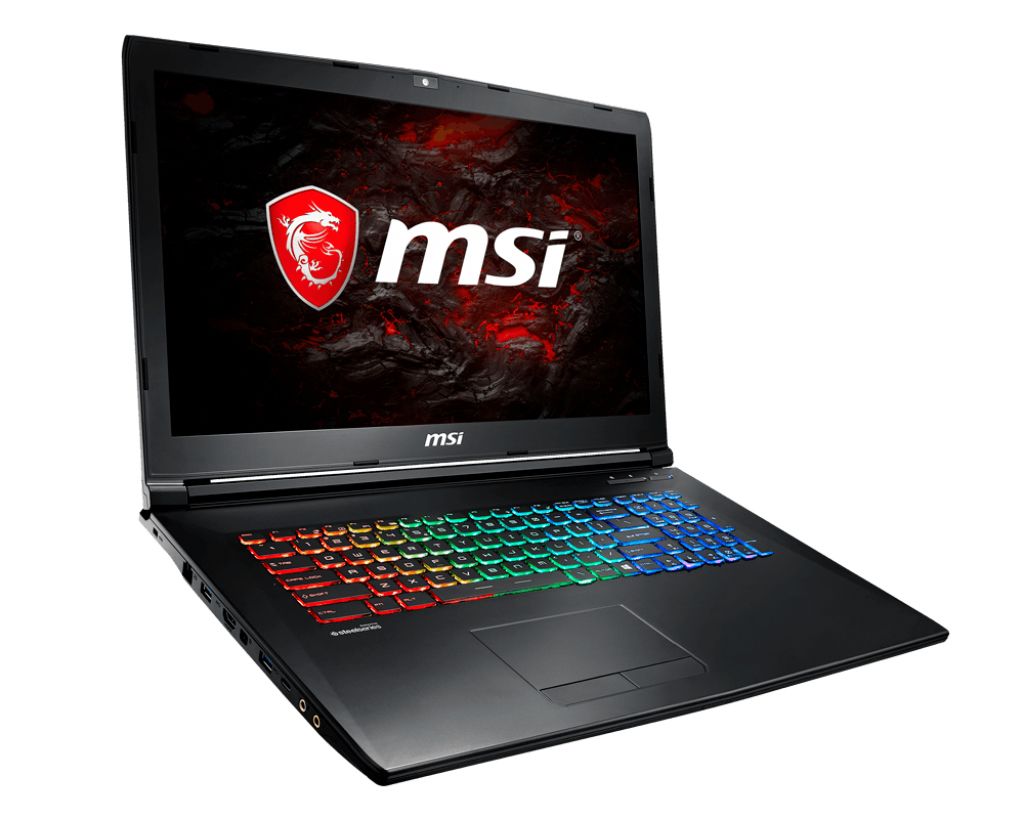
MSI GP72M 7RDX-1493ES Leopard gaming laptop features DDR4-SDRAM memory upgrade specifications. The system contains 2x SO-DIMM slots supporting maximum RAM capacity of 32 GB. Compatible memory operates at 2400 MHz frequency with SO-DIMM form factor. Users can upgrade memory in both available slots to reach maximum specifications. DDR4-SDRAM upgrades provide enhanced performance for gaming and computing tasks on the GP series Leopard model.
Memory Upgrade Specifications
| Specification | Value |
|---|---|
| Memory slots | 2x SO-DIMM |
| Form factor | SO-DIMM |
| Memory type | DDR4-SDRAM |
| Frequency | 2400 MHz |
| Maximum RAM | 32 GB |
| Voltage | 1.2V |
| Number of pins | 260-pin |
| Interface | PC4 |
| PC Speed Rating | PC4-2400 (PC4-19200) |
| Bandwidth | 19.2 GB/s |
| Laptop Release date | 13 April 2018 |
Additional Notes
- The MSI GP72M 7RDX-1493ES Leopard supports DDR4 memory at 2400 MHz, which represents the baseline frequency tier for this generation. Aftermarket DDR4 modules rated for 2666 MHz or higher will operate at the native 2400 MHz speed unless BIOS overclocking profiles are enabled, resulting in no performance gain from premium-frequency purchases.
- The 2-slot SO-DIMM configuration creates a single upgrade path constraint. Expanding from a factory configuration requires either replacing existing modules or occupying the second slot, leaving no empty slots for future additions beyond the 32 GB ceiling without module removal.
- Maximum addressable memory of 32 GB effectively caps the system at 16 GB per slot, meaning both SO-DIMM positions must contain matched 16 GB modules to reach the upper limit. Single-slot upgrades cannot exceed this threshold.
- SO-DIMM form factor confirms mobile-class memory incompatibility with standard desktop DDR4 modules. Compatibility verification against the specific chipset and BIOS revision is critical, as not all DDR4-2400 SO-DIMM products maintain guaranteed stability across all firmware versions of this model year.
- The native 2400 MHz specification likely reflects a 7th-generation Intel processor platform architecture. Memory bandwidth utilization will stabilize at approximately 19.2 GB/s, which may present cumulative throughput constraints under simultaneous GPU and CPU memory operations typical in gaming workloads above 1440p resolution.