MSI Gaming GP75 10SEK-050IT Leopard RAM upgrade specifications
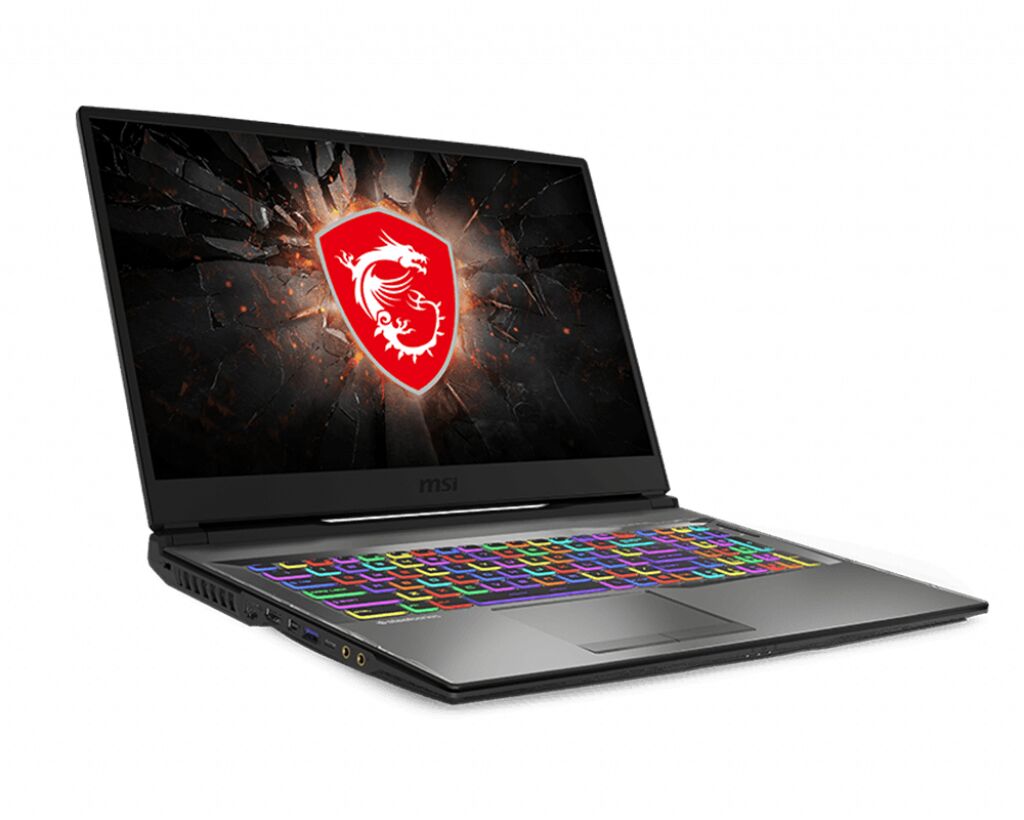
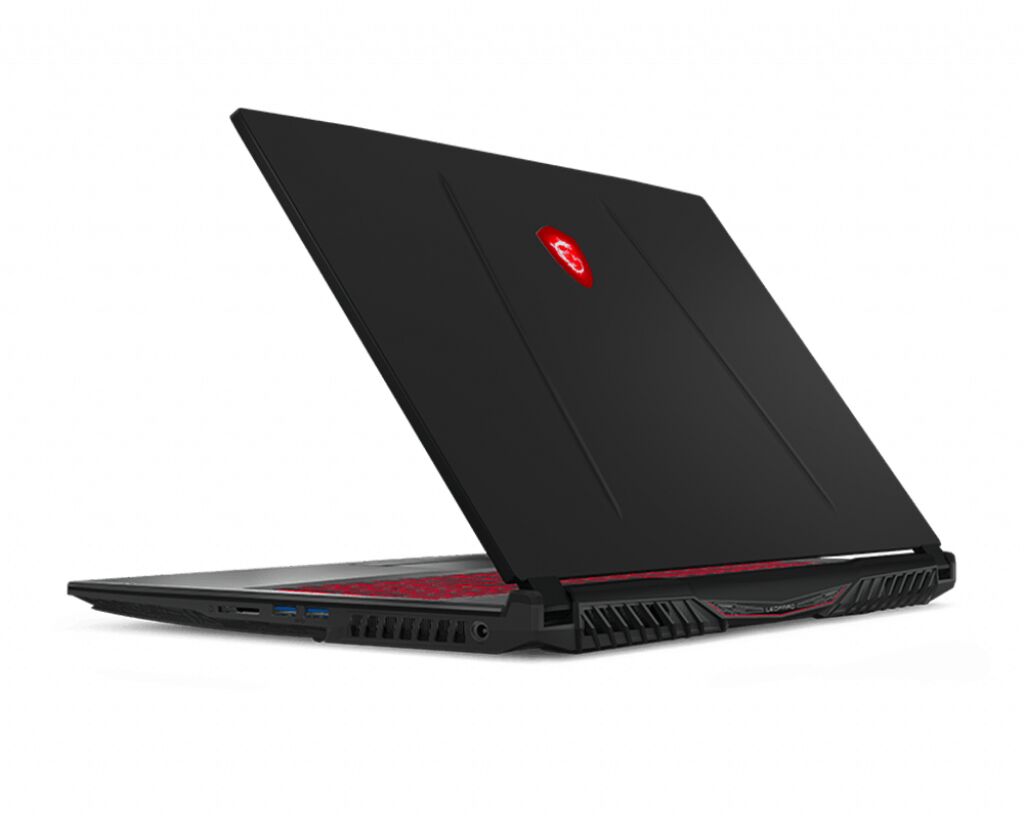
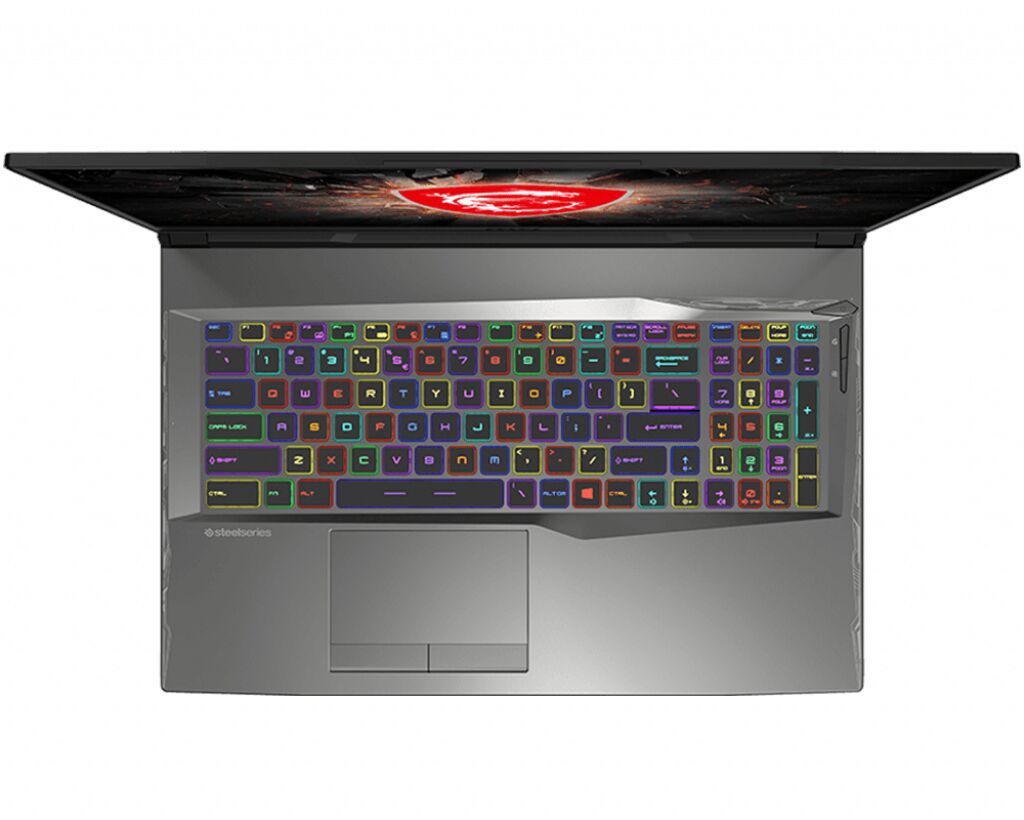

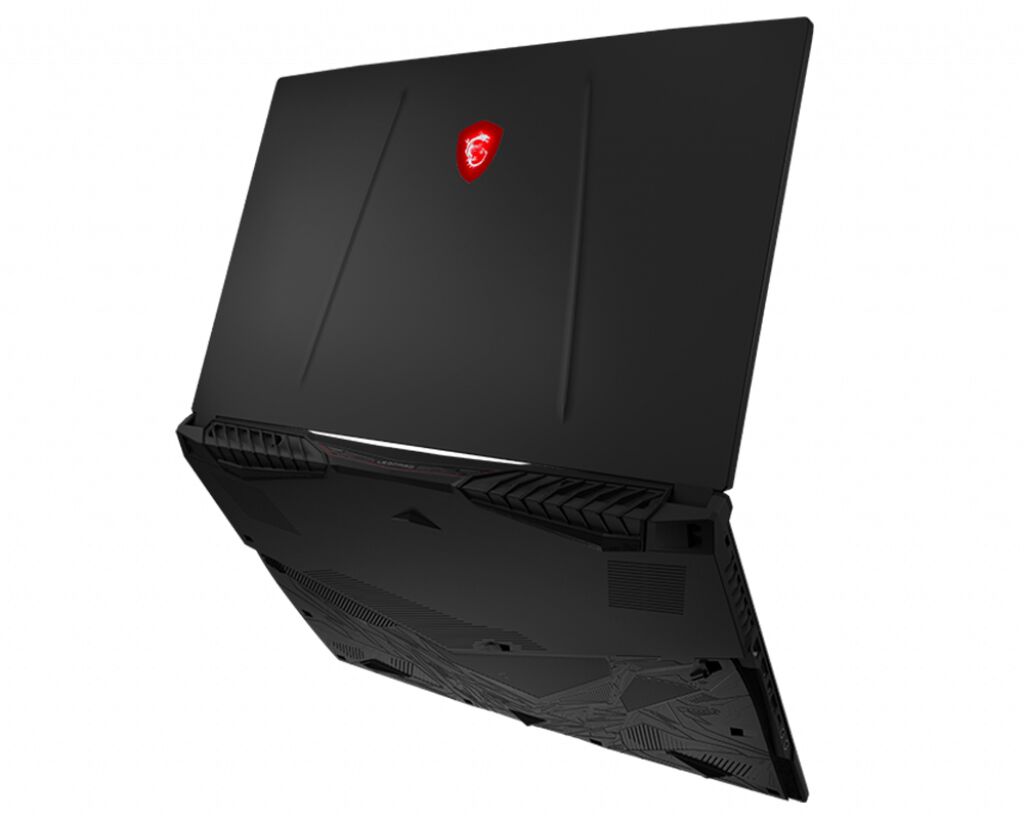
MSI GP75 10SEK-050IT Leopard gaming laptop supports DDR4-SDRAM memory upgrades with 2x SO-DIMM slots. Maximum supported RAM capacity reaches 64 GB total. Memory specifications include SO-DIMM form factor operating at 2666 MHz frequency. Compatible upgrade modules must meet DDR4 standard specifications for full compatibility with this gaming series model.
Memory Upgrade Specifications
| Specification | Value |
|---|---|
| Memory slots | 2x SO-DIMM |
| Form factor | SO-DIMM |
| Memory type | DDR4-SDRAM |
| Frequency | 2666 MHz |
| Maximum RAM | 64 GB |
| Voltage | 1.2V |
| Number of pins | 260-pin |
| Interface | PC4 |
| PC Speed Rating | PC4-2666 (PC4-21328) |
| Bandwidth | 21.3 GB/s |
| Laptop Release date | 18 June 2020 |
Additional Notes
- The MSI GP75 10SEK-050IT Leopard utilizes standard 260-pin SO-DIMM modules, which differ physically from desktop DIMM modules and cannot be interchanged between form factors.
- The 2666 MHz frequency specification indicates DDR4-2666 compatibility, which operates at PC4-21300 standard with a theoretical bandwidth of 21.3 GB/s per channel.
- Installing modules faster than 2666 MHz will result in automatic downclocking to match the controller's maximum supported frequency, potentially wasting the premium paid for higher-speed modules.
- The dual-slot configuration enables dual-channel memory operation when populated with matched pairs, effectively doubling memory bandwidth compared to single-channel configurations.
- Achieving the 64 GB maximum capacity requires two 32 GB SO-DIMM modules, which typically operate at higher voltages (1.35V) than standard 1.2V DDR4 modules and may generate additional heat.
- Mixing modules with different speeds, capacities, or latencies may force the system to operate at the lowest common denominator specifications or cause stability issues during intensive workloads.
- The Intel 10th generation platform requires DDR4 voltage not to exceed 1.35V for SO-DIMM modules to maintain stable operation within thermal design parameters.
- Memory upgrades performed through the accessible bottom panel typically preserve manufacturer warranty, whereas disassembling keyboard or display assemblies may void coverage under most warranty terms.
- Single-rank versus dual-rank module architecture affects performance in memory-intensive applications, with dual-rank configurations sometimes providing marginal performance improvements at identical frequencies.
- The 2666 MHz specification represents JEDEC standard speed, eliminating the need for XMP profile support that is common in desktop platforms but rarely implemented in mobile chipsets.