MSI Gaming GP75 10SEK-215CA Leopard RAM upgrade specifications
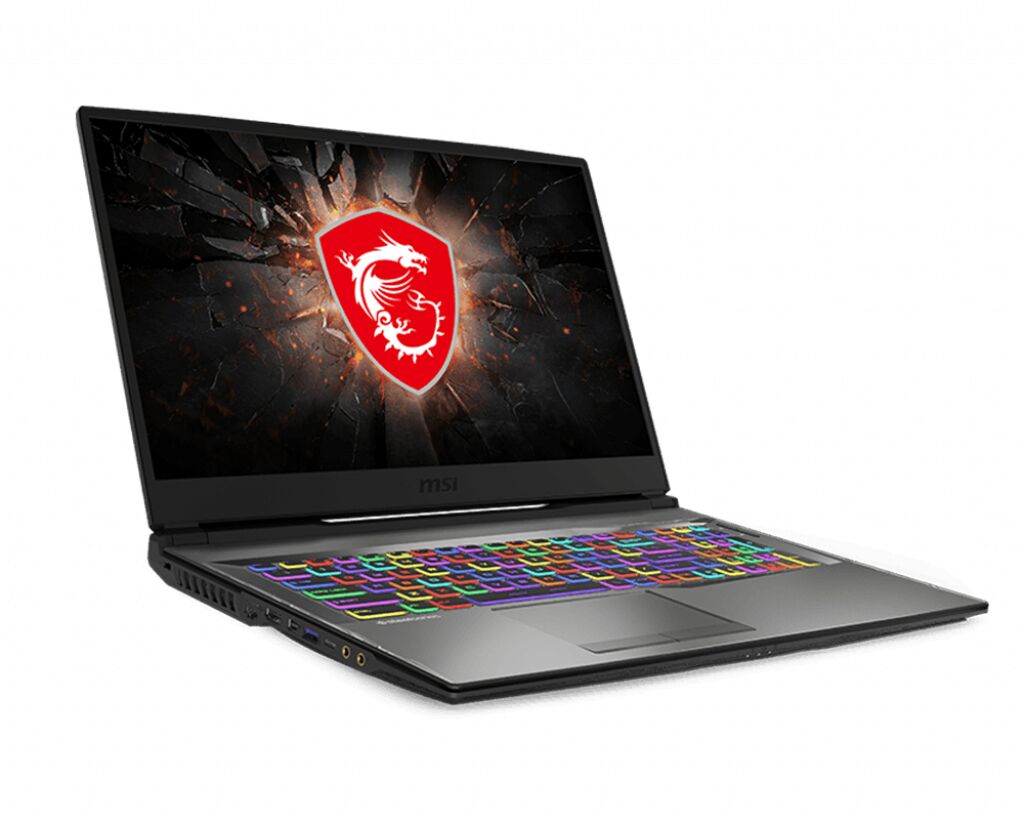
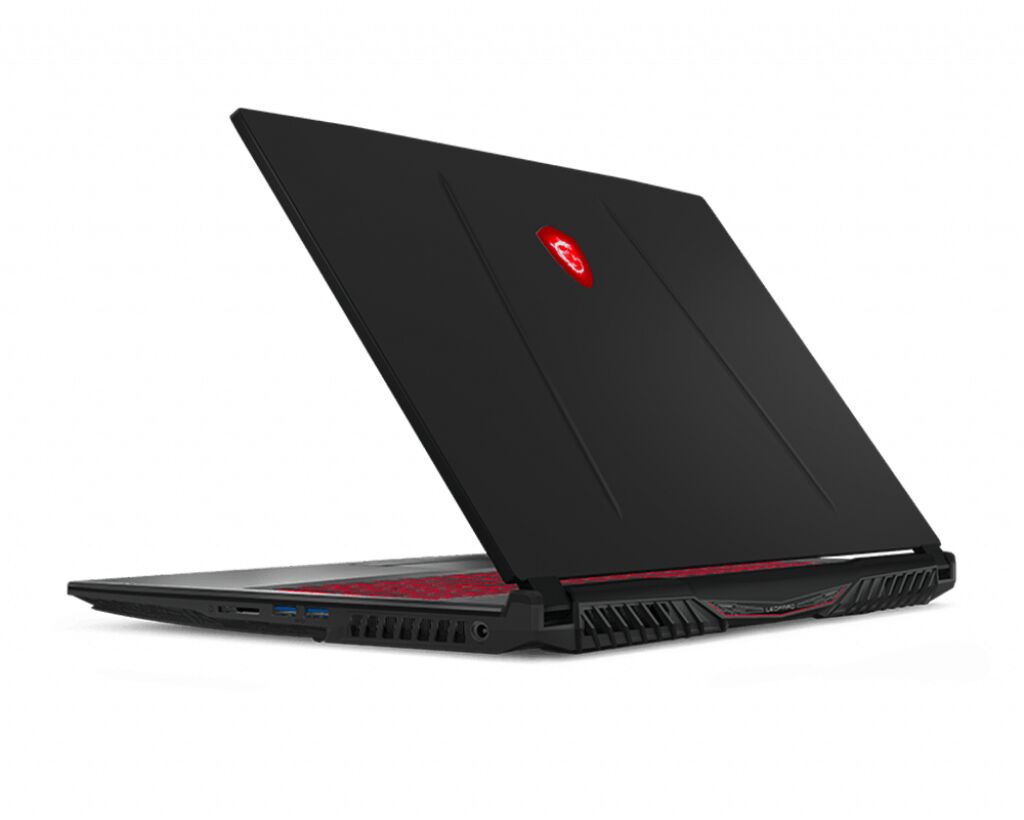
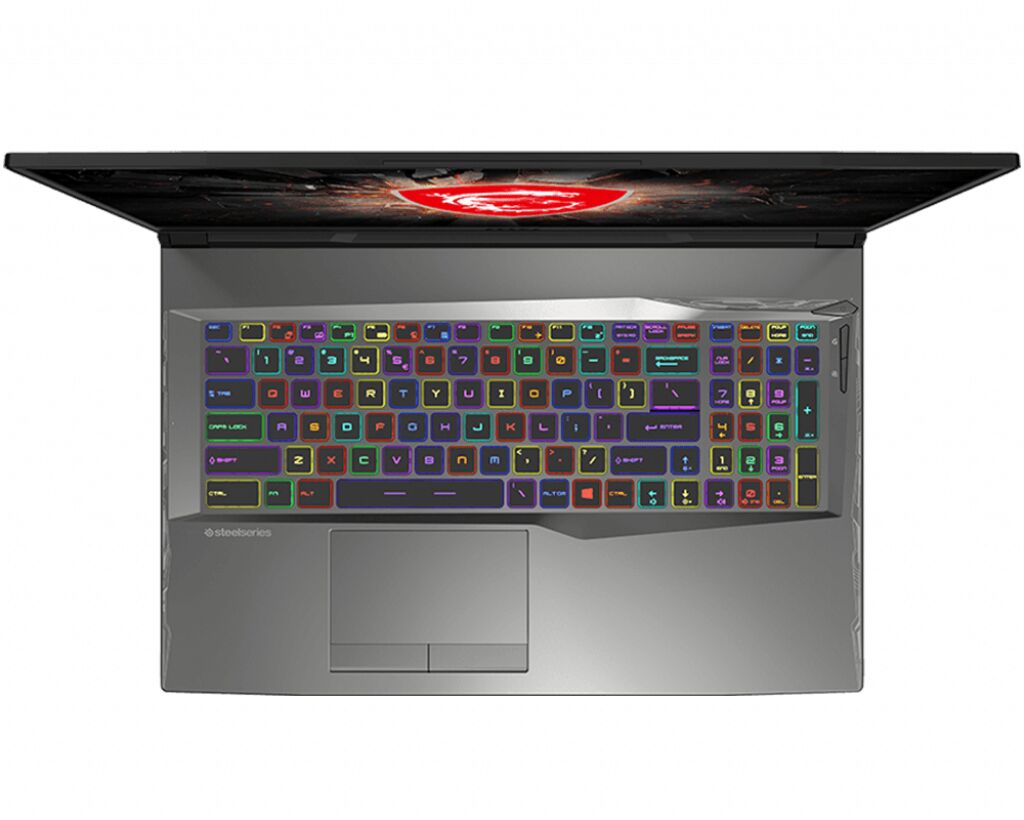

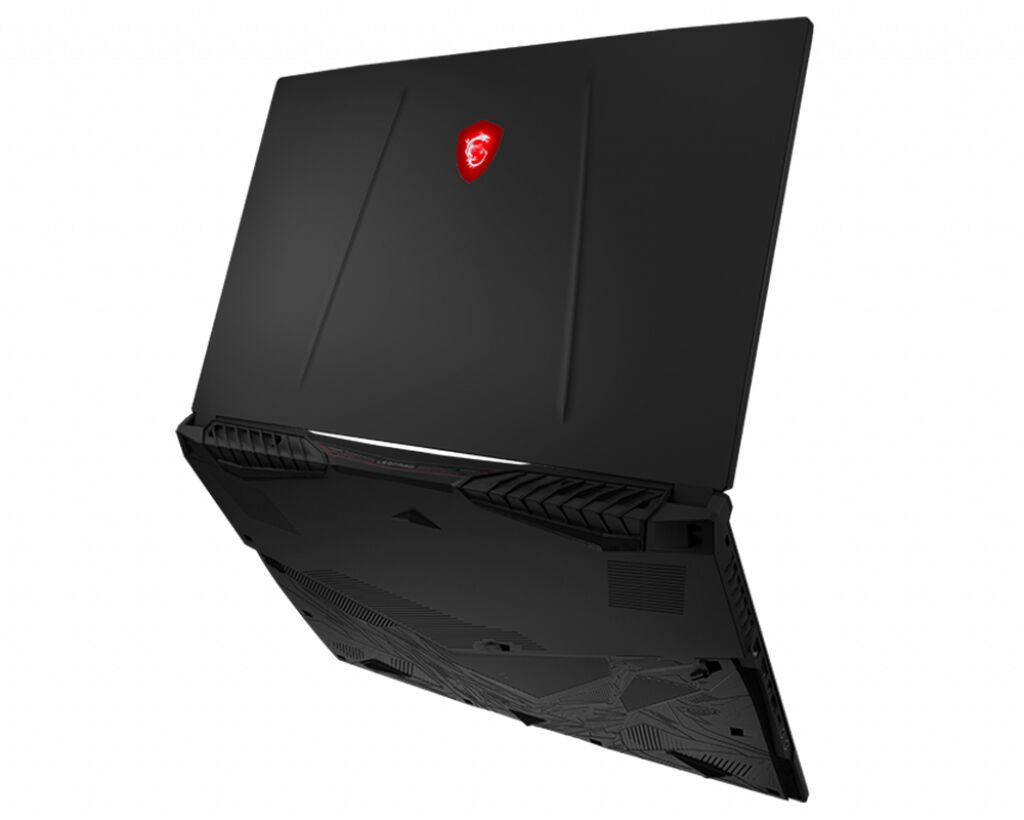
The MSI GP75 10SEK-215CA Leopard gaming laptop features DDR4-SDRAM memory configuration with two SO-DIMM slots supporting maximum RAM capacity of 64 GB. Memory upgrade specifications indicate compatible DDR4 modules operating at 2666 MHz frequency. Existing memory slots accommodate SO-DIMM form factor modules. Upgrade options allow expansion within the maximum supported capacity through compatible DDR4-SDRAM modules meeting MSI GP series specifications.
Memory Upgrade Specifications
| Specification | Value |
|---|---|
| Memory slots | 2x SO-DIMM |
| Form factor | SO-DIMM |
| Memory type | DDR4-SDRAM |
| Frequency | 2666 MHz |
| Maximum RAM | 64 GB |
| Voltage | 1.2V |
| Number of pins | 260-pin |
| Interface | PC4 |
| PC Speed Rating | PC4-2666 (PC4-21328) |
| Bandwidth | 21.3 GB/s |
| Laptop Release date | 19 May 2020 |
Additional Notes
- The MSI GP75 10SEK-215CA Leopard uses laptop-grade SO-DIMM modules rather than desktop DIMMs, restricting upgrade sources to mobile-specific memory vendors and limiting physical clearance for installation near the keyboard assembly.
- 2666 MHz DDR4 represents an older memory standard; contemporary DDR4 gaming laptops operate at 3200 MHz or higher, creating a potential 16-20% bandwidth deficit compared to newer competitive systems under sustained gaming loads.
- Dual SO-DIMM architecture means maximum capacity expansion requires replacing both existing modules simultaneously; single-module upgrades cannot achieve the 64 GB ceiling without removing the original memory entirely.
- The 64 GB maximum indicates the motherboard's memory controller supports 32 GB per slot, a specification that constrains upgrade timing; users cannot progressively add capacity across multiple purchase cycles.
- DDR4-2666 memory will downclock if paired with faster modules; mixing 2666 MHz and 3200 MHz modules forces all memory to operate at 2666 MHz, eliminating any performance gain from premium faster memory.
- SO-DIMM availability for 2666 MHz specifications has declined industry-wide as manufacturers transitioned to 3200+ MHz; sourcing matched 2-module kits may require salvage channels or clearance inventory rather than new stock.
- SODIMM memory operates at lower voltage (1.2V nominal) than desktop DDR4; installation errors or incompatible third-party modules risk hardware damage to the memory controller without POST failures as warning indicators.