MSI Gaming GP75 10SFK-074CA Leopard RAM upgrade specifications
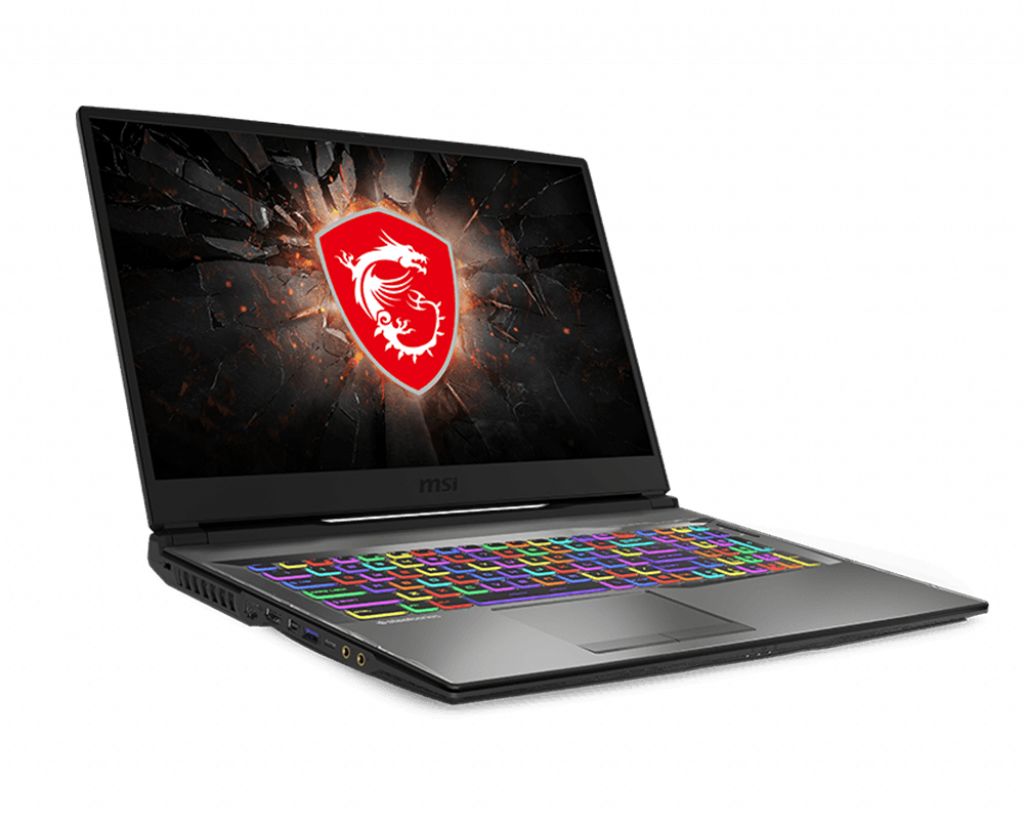
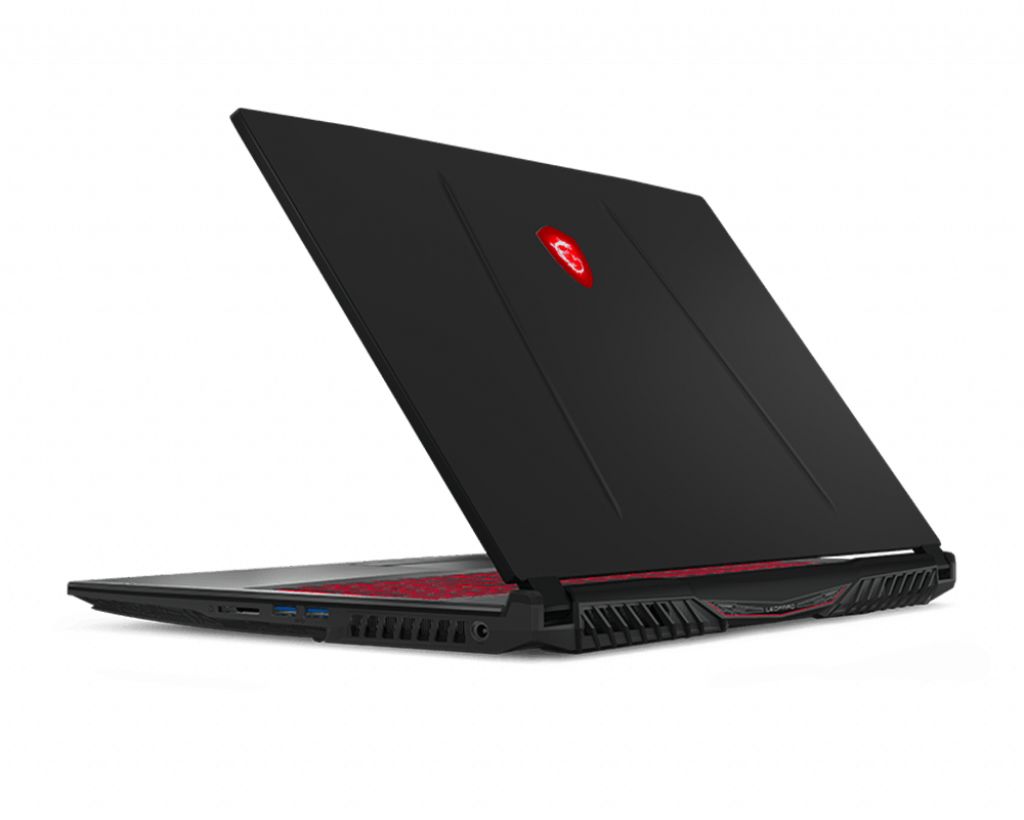
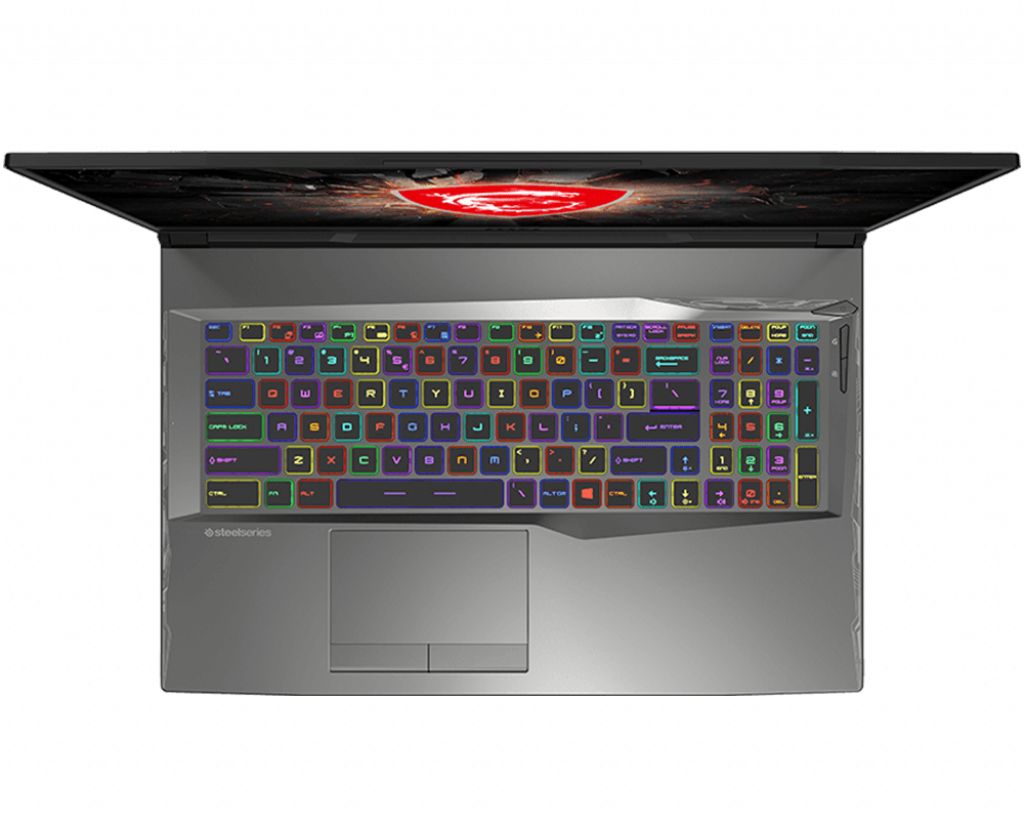
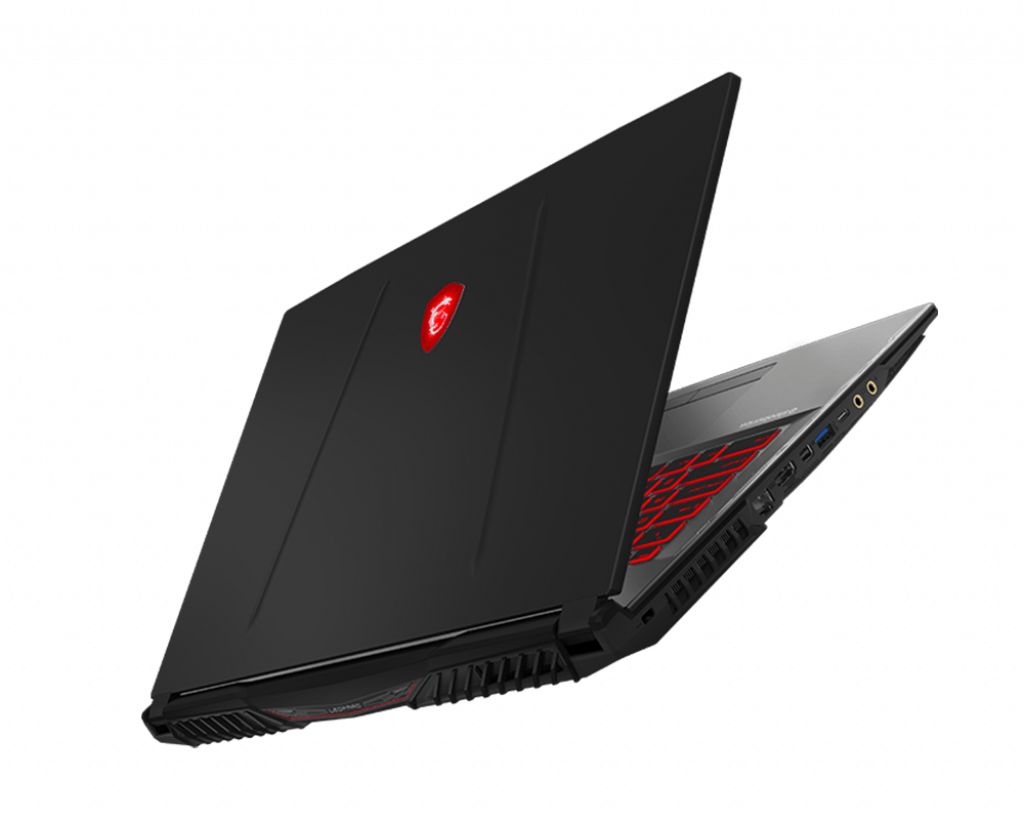
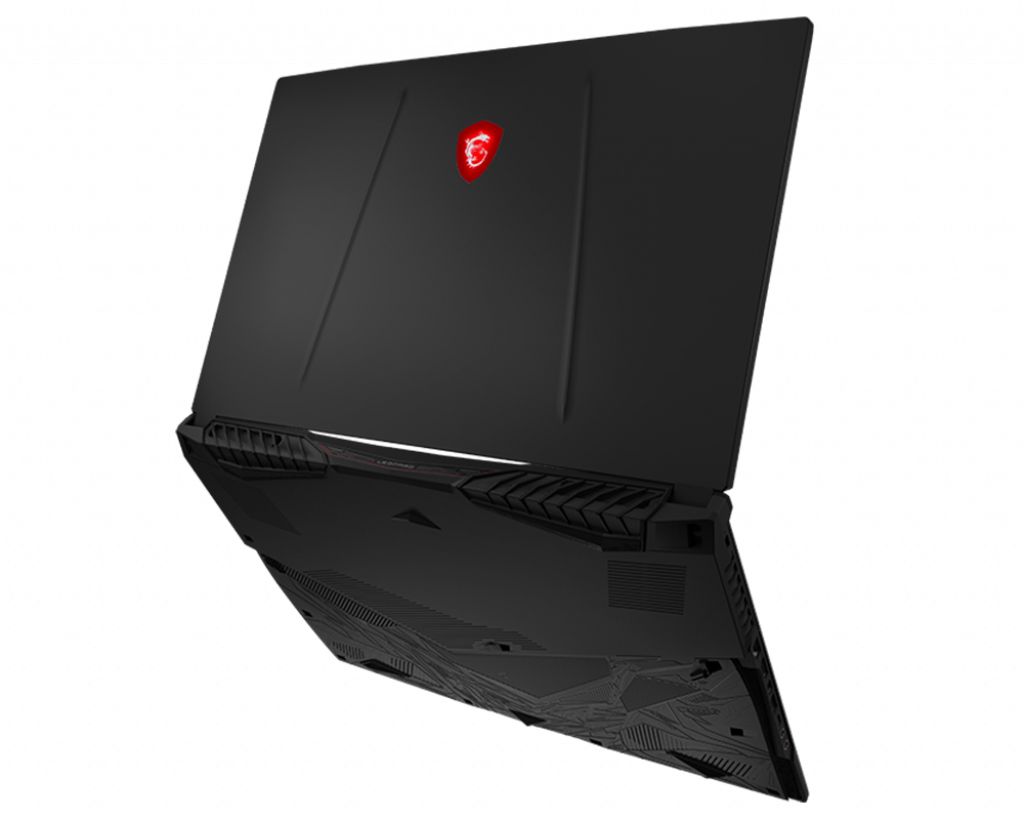
The MSI GP75 10SFK-074CA Leopard gaming laptop features DDR4-SDRAM memory upgrade capabilities with two SO-DIMM slots supporting maximum capacity of 64 GB total RAM. Compatible memory modules operate at 2666 MHz frequency. Specifications indicate SO-DIMM form factor compatibility for memory upgrades. The Gaming GP series supports DDR4 memory architecture for enhanced performance configuration.
Memory Upgrade Specifications
| Specification | Value |
|---|---|
| Memory slots | 2x SO-DIMM |
| Form factor | SO-DIMM |
| Memory type | DDR4-SDRAM |
| Frequency | 2666 MHz |
| Maximum RAM | 64 GB |
| Voltage | 1.2V |
| Number of pins | 260-pin |
| Interface | PC4 |
| PC Speed Rating | PC4-2666 (PC4-21328) |
| Bandwidth | 21.3 GB/s |
| Laptop Release date | 07 May 2020 |
Additional Notes
- The MSI GP75 10SFK-074CA Leopard accepts standard 260-pin SO-DIMM modules exclusively, preventing desktop DIMM installation due to physical incompatibility.
- DDR4-2666 represents the validated ceiling despite modules rated for higher frequencies remaining physically installable, as the memory controller enforces downclocking to this specification.
- Single-channel configuration halves effective memory bandwidth compared to dual-module installation, creating potential GPU feed bottlenecks during VRAM overflow scenarios.
- The 64 GB ceiling requires 2x 32 GB module pairing, as the dual-slot architecture prohibits reaching this capacity through alternative configurations.
- Non-ECC unbuffered modules maintain compatibility while registered or error-correcting variants face rejection during POST due to chipset limitations.
- Mixing module capacities between slots maintains functionality but forces operation at the lower-density module's rank configuration, potentially reducing interleaving efficiency.
- CAS latency variations between installed modules trigger automatic timing relaxation to accommodate the slower module's requirements across both channels.
- Operating voltage remains fixed at 1.2V standard for DDR4, making low-voltage or overvolting modules functionally identical after BIOS voltage regulation.
- Both slots require simultaneous occupancy for dual-channel bandwidth activation, as single-module installation regardless of slot position defaults to half-width operation.
- Module height restrictions typical of gaming laptop chassis may reject certain heat spreader designs exceeding standard SO-DIMM profile dimensions.
- JEDEC-standard modules offer guaranteed compatibility while XMP-profiled variants require BIOS support to exceed base 2666 MHz specification, which this platform does not provide.
- Warranty preservation typically allows user-accessible memory upgrades, though regional service policies may vary regarding self-installed component coverage.