MSI Gaming GP75 10SFK-092XHU Leopard RAM upgrade specifications
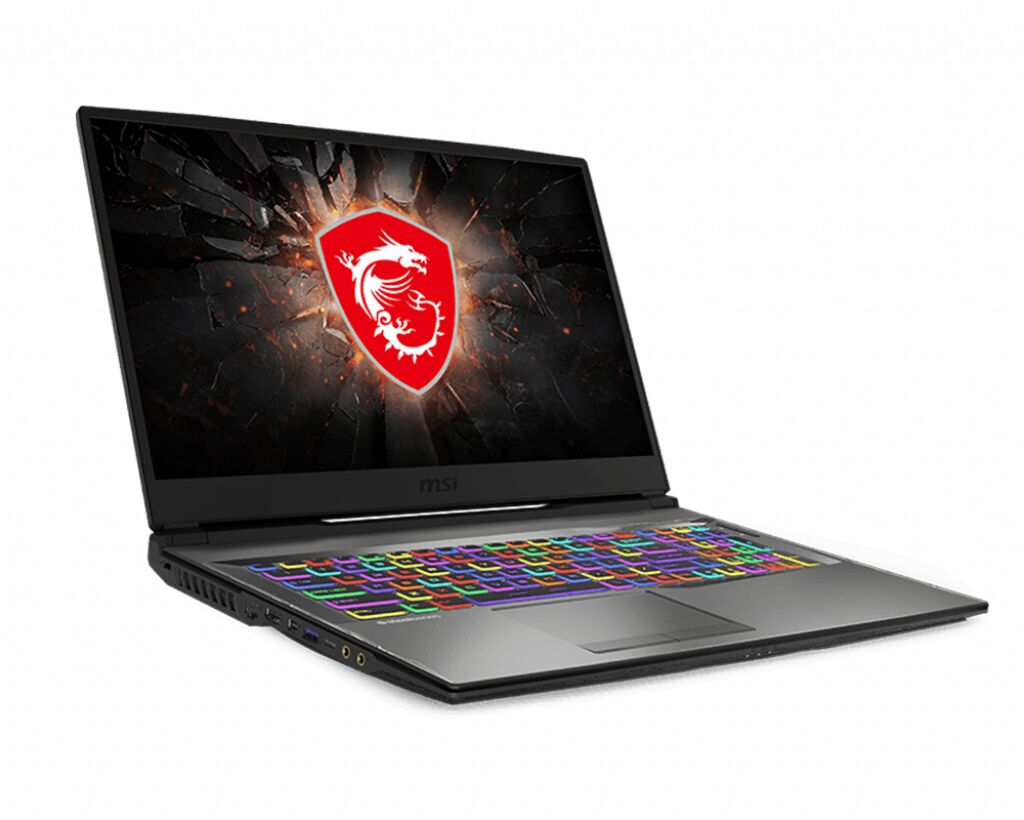
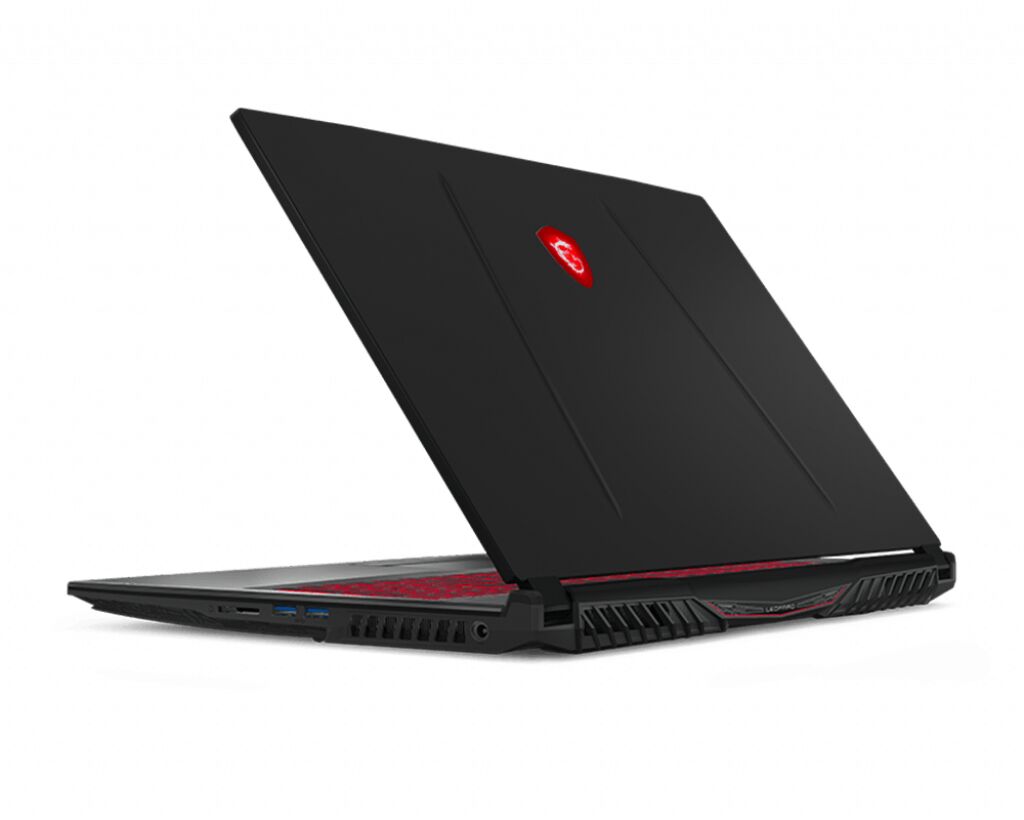
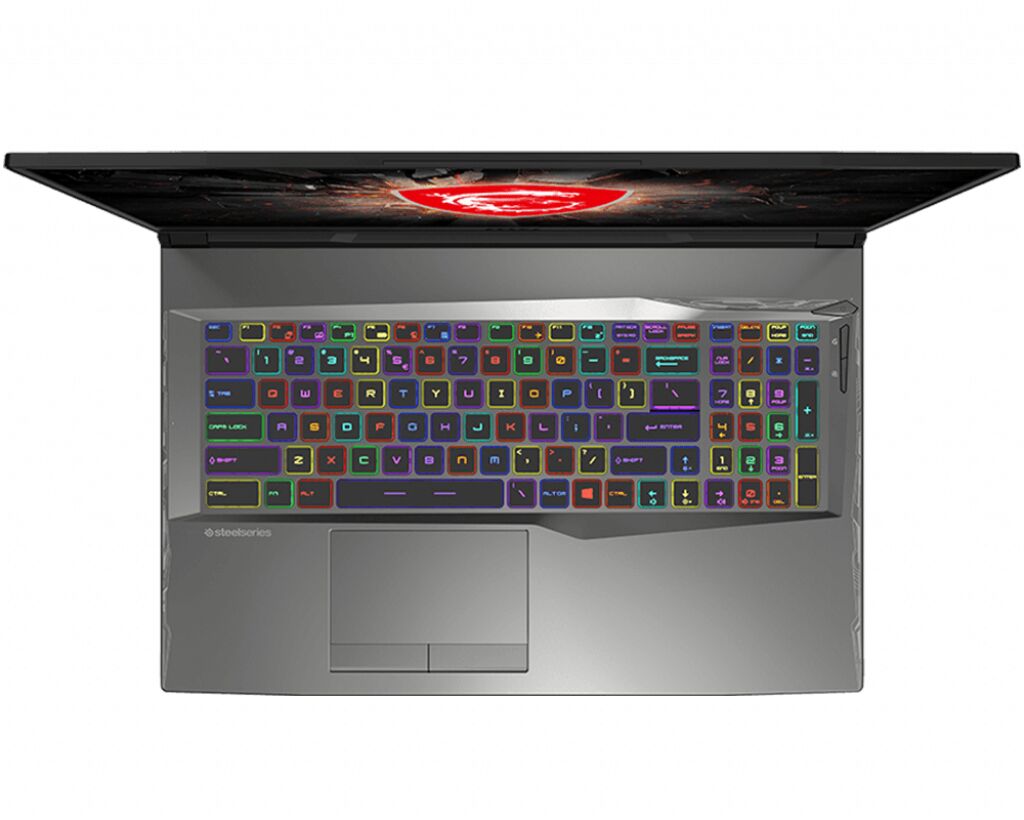
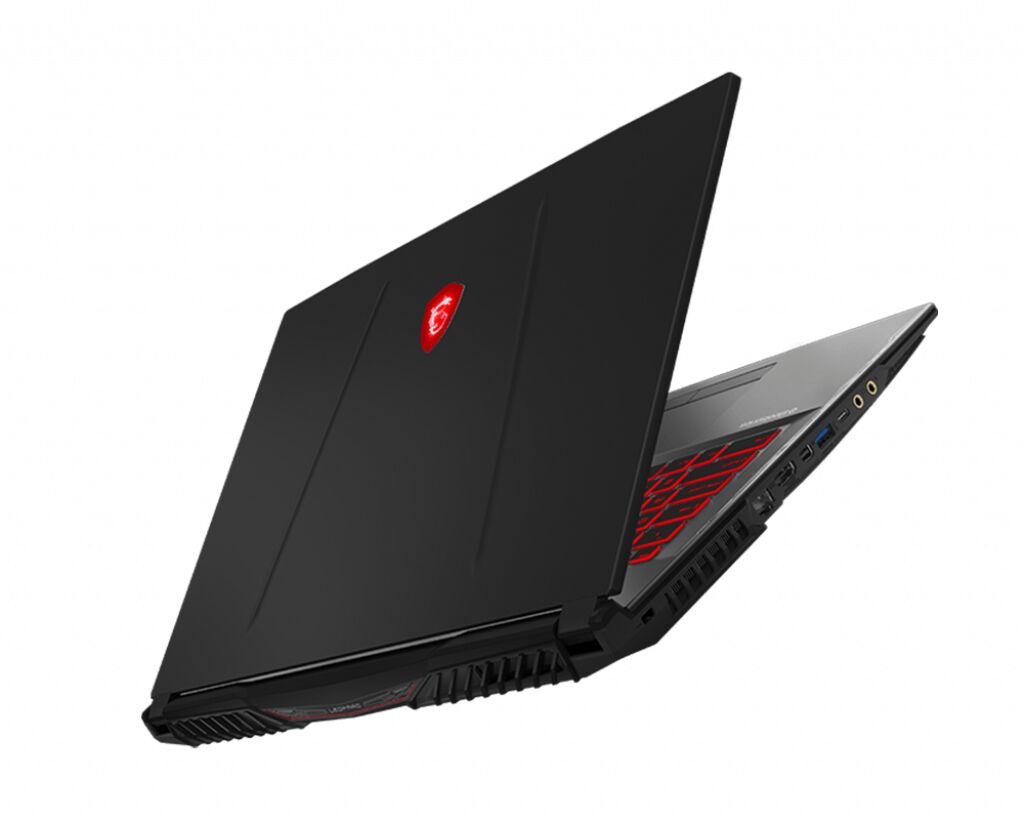
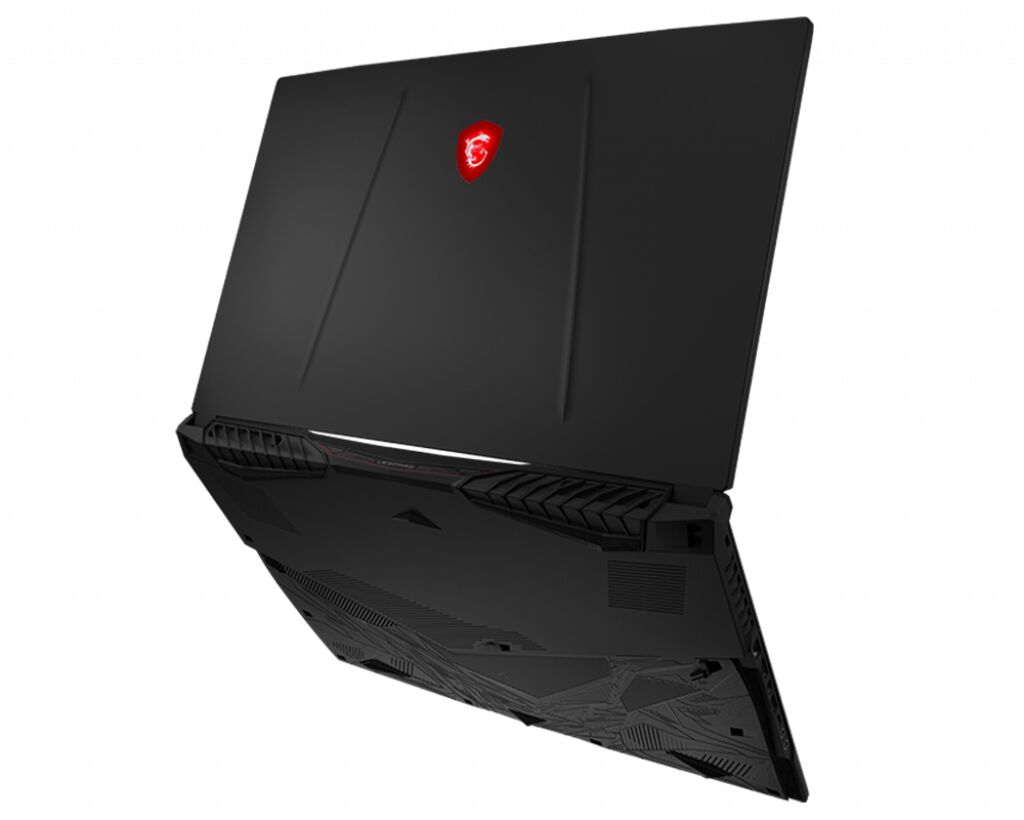
The MSI GP75 10SFK-092XHU Leopard gaming laptop features DDR4-SDRAM memory specifications with upgrade capabilities. The system includes 2x SO-DIMM slots supporting a maximum RAM capacity of 64 GB. Compatible memory modules operate at 2666 MHz frequency using the SO-DIMM form factor. These specifications define the memory upgrade options available for the MSI Gaming GP series model, allowing users to expand RAM capacity within the supported specifications and maximum limitations.
Memory Upgrade Specifications
| Specification | Value |
|---|---|
| Memory slots | 2x SO-DIMM |
| Form factor | SO-DIMM |
| Memory type | DDR4-SDRAM |
| Frequency | 2666 MHz |
| Maximum RAM | 64 GB |
| Voltage | 1.2V |
| Number of pins | 260-pin |
| Interface | PC4 |
| PC Speed Rating | PC4-2666 (PC4-21328) |
| Bandwidth | 21.3 GB/s |
| Laptop Release date | 07 September 2020 |
Additional Notes
- The MSI GP75 10SFK-092XHU Leopard supports DDR4-SDRAM exclusively, which excludes backward compatibility with DDR3 modules and forward compatibility with DDR5 platforms, creating a finite upgrade window.
- 2 SO-DIMM slots indicate both memory channels are user-accessible, but maximum capacity of 64 GB requires paired 32 GB modules rather than single-stick configurations to achieve rated bandwidth across both channels.
- The 2666 MHz specification represents a design ceiling; modules rated for 3200 MHz or higher will downclock to 2666 MHz within BIOS constraints, effectively wasting higher specifications and incurring unnecessary cost without performance gain.
- SO-DIMM form factor restricts upgrades to mobile-grade modules, preventing use of standard desktop UDIMM inventory and limiting supplier options to laptop-specific retailers.
- Capacity upgrades from baseline to maximum require complete module replacement rather than additive installation, as both slots must accommodate the larger modules to reach 64 GB total.
- The 2-slot architecture provides no redundancy for testing; a failed module leaves the system with no functional memory unless a replacement is physically installed and verified.
- Warranty policies typically permit SO-DIMM replacement without penalty, but third-party module incompatibility remains a support liability; validation against MSI's approved parts list mitigates post-installation failure disputes.