MSI Gaming GP75 10SFK-219 Leopard RAM upgrade specifications
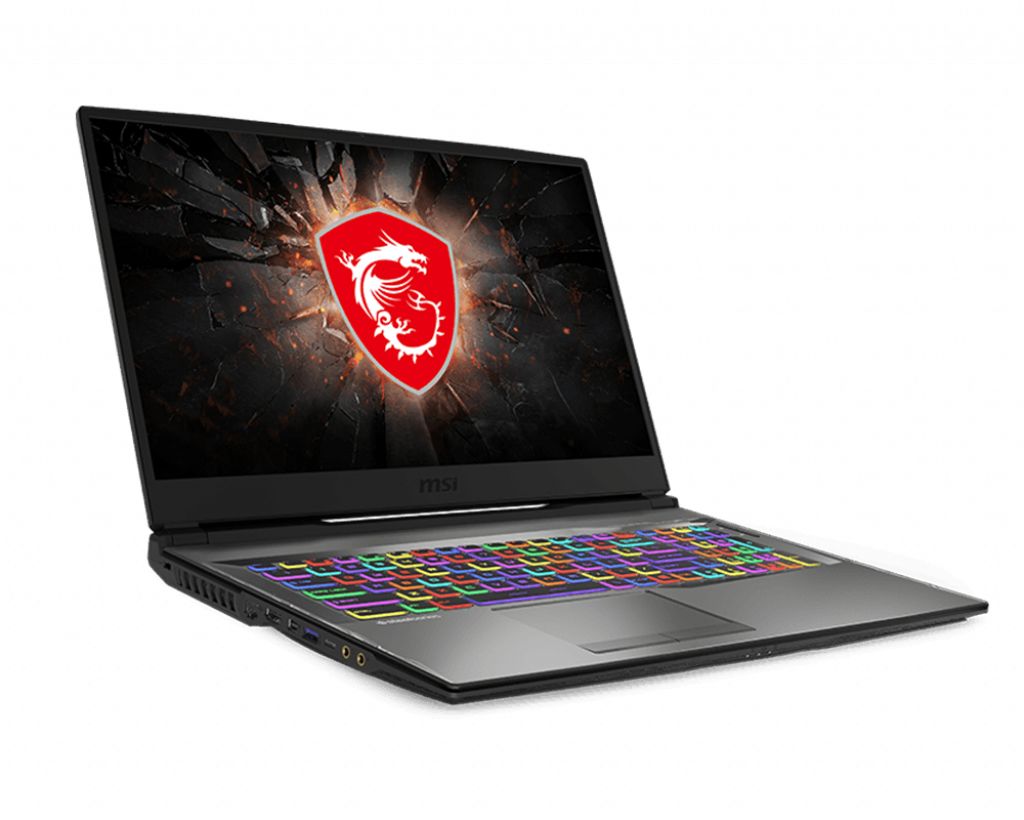
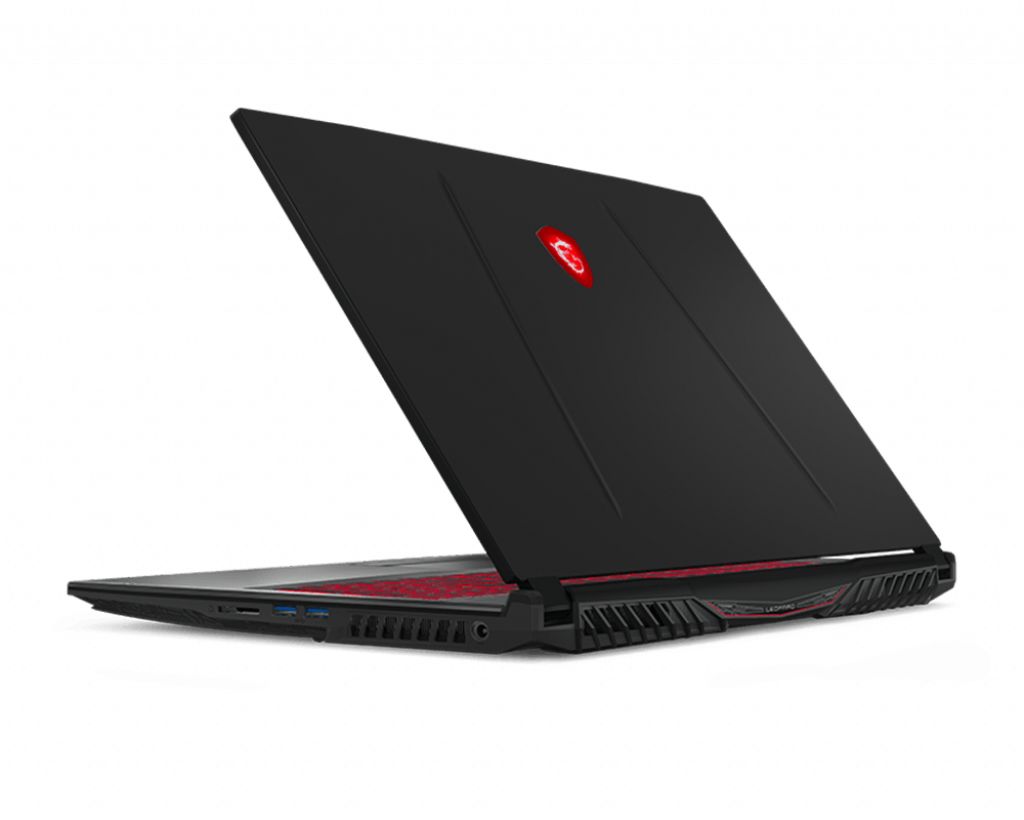
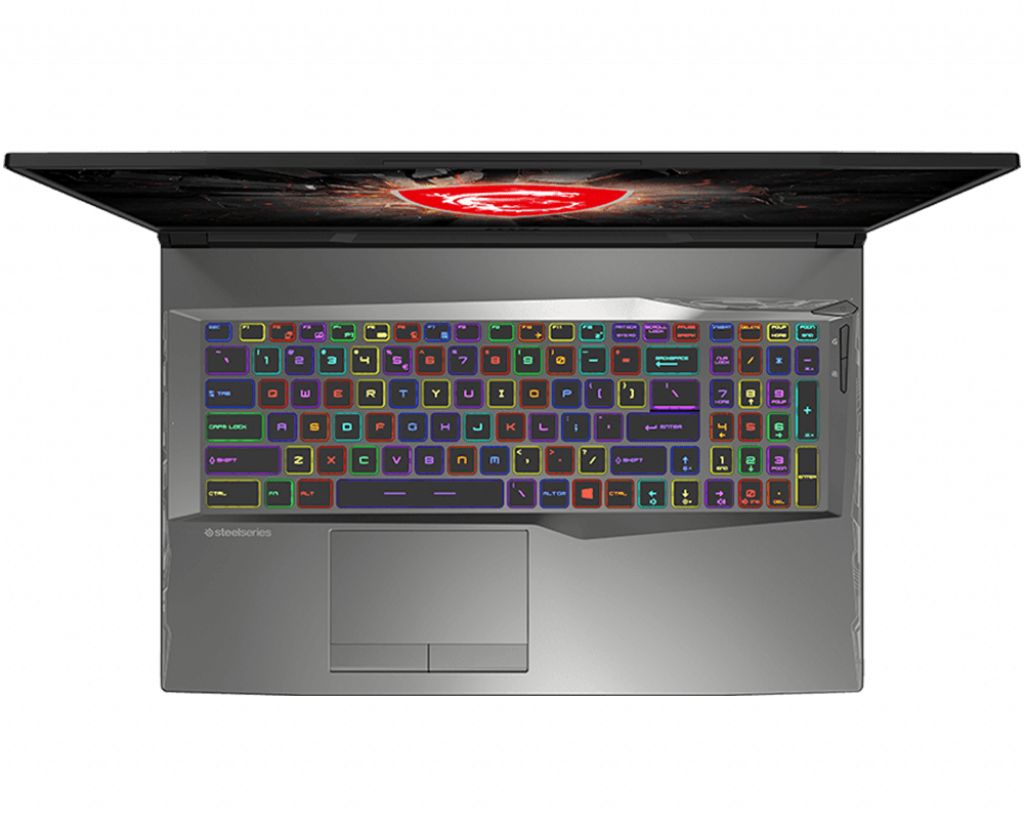

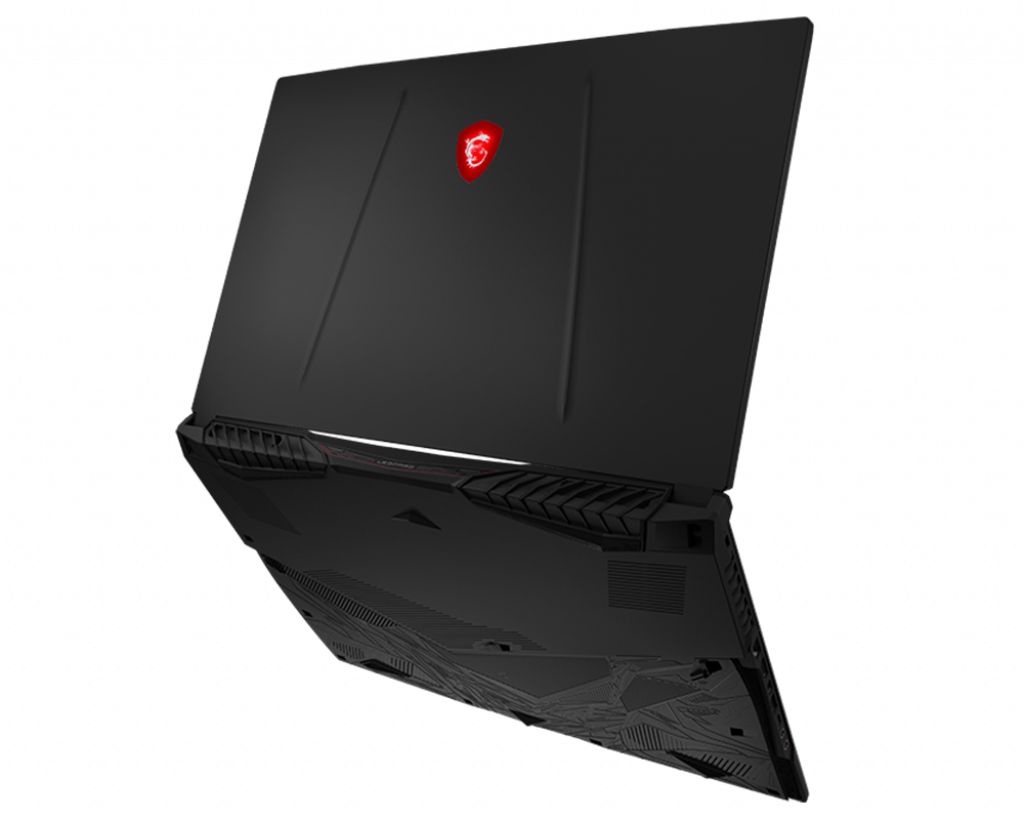
MSI GP75 10SFK-219 Leopard gaming laptop supports DDR4-SDRAM memory upgrades through two SO-DIMM slots. Maximum RAM capacity reaches 64 GB total. Compatible memory modules operate at 2666 MHz frequency. Current specifications allow memory expansion for enhanced multitasking and performance capabilities. Upgrade options require DDR4 SO-DIMM format memory modules to achieve maximum supported capacity on this gaming series model.
Memory Upgrade Specifications
| Specification | Value |
|---|---|
| Memory slots | 2x SO-DIMM |
| Form factor | SO-DIMM |
| Memory type | DDR4-SDRAM |
| Frequency | 2666 MHz |
| Maximum RAM | 64 GB |
| Voltage | 1.2V |
| Number of pins | 260-pin |
| Interface | PC4 |
| PC Speed Rating | PC4-2666 (PC4-21328) |
| Bandwidth | 21.3 GB/s |
| Laptop Release date | 07 May 2020 |
Additional Notes
- The MSI GP75 10SFK-219 Leopard uses standard 260-pin SO-DIMM modules, which are widely available from third-party manufacturers without voiding factory warranties when installed according to manufacturer guidelines.
- Operating at 2666 MHz indicates JEDEC standard DDR4-2666 specification, which ensures backward compatibility with lower frequency modules that will automatically downclock to match the system bus speed.
- The dual-channel architecture requires matched pairs for optimal memory bandwidth, meaning asymmetric configurations will force single-channel operation and reduce throughput by approximately 50 percent in bandwidth-sensitive applications.
- Supporting up to 64 GB total capacity allows for 2x32 GB module configurations, though such high-density SO-DIMMs typically use double-rank architecture which may introduce marginal latency increases compared to single-rank modules.
- The 2666 MHz frequency limitation is typically enforced by Intel 10th generation mobile platform specifications, meaning modules rated for 3200 MHz or higher will automatically run at the lower supported speed.
- Only 2 physical slots means capacity upgrades require complete module replacement rather than simple addition, making initial purchase decisions more cost-critical for future expansion planning.
- DDR4 SO-DIMM voltage standard of 1.2V ensures compatibility across manufacturers, though mixing modules with different voltage tolerances or XMP profiles may cause stability issues or prevent POST completion.
- The absence of ECC support in consumer gaming platforms means all compatible modules must be non-ECC unbuffered SO-DIMMs, as registered or error-correcting variants will not function.
- CAS latency specifications should remain within CL19-CL22 range for 2666 MHz operation to maintain JEDEC compliance, as tighter timings may require manual BIOS configuration not guaranteed on all system revisions.