MSI Gaming GP75 10SFSK-225FR Leopard RAM upgrade specifications
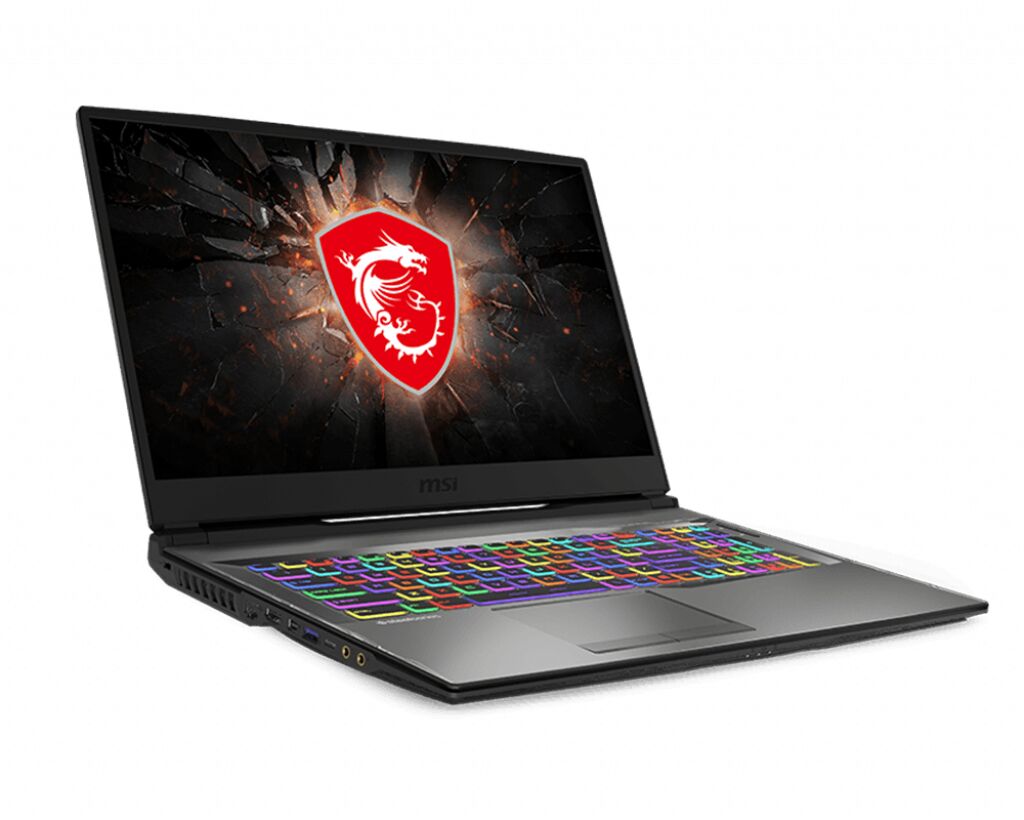
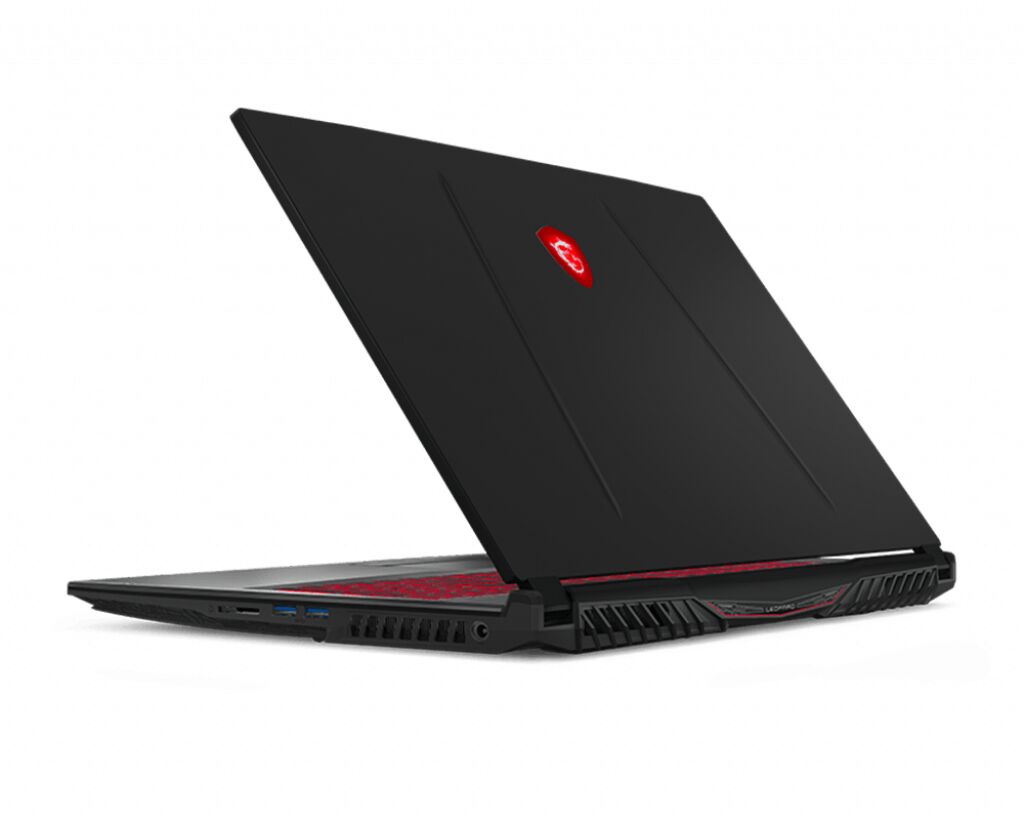
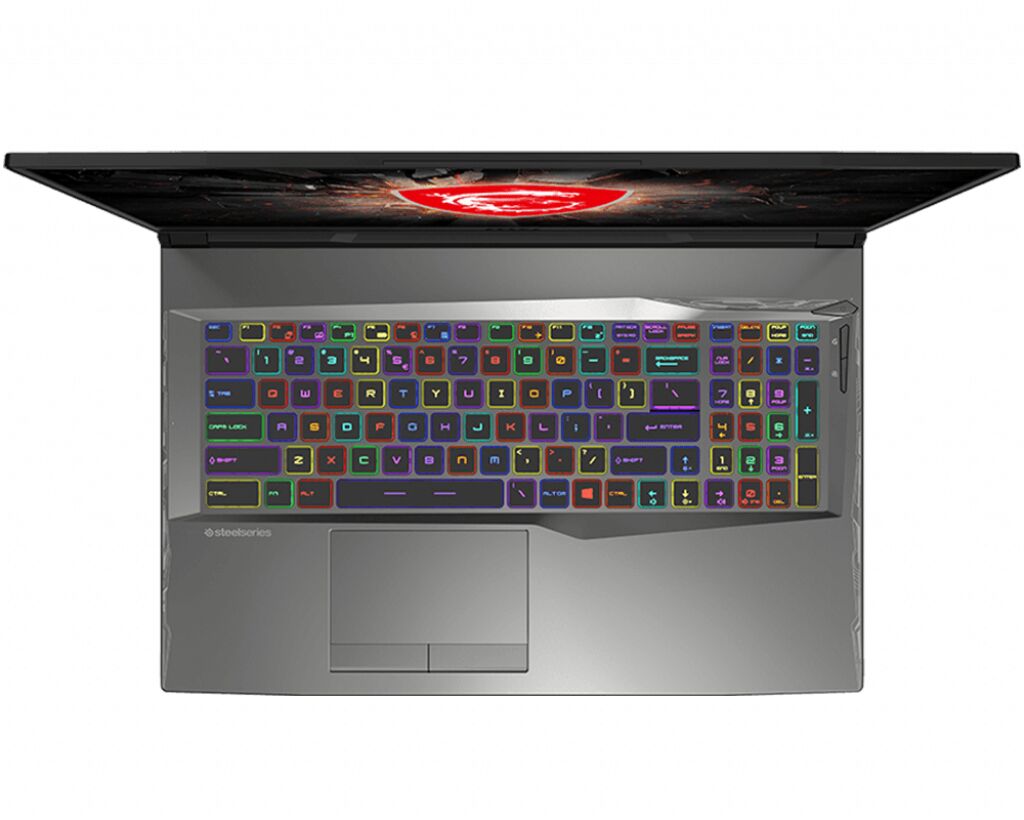

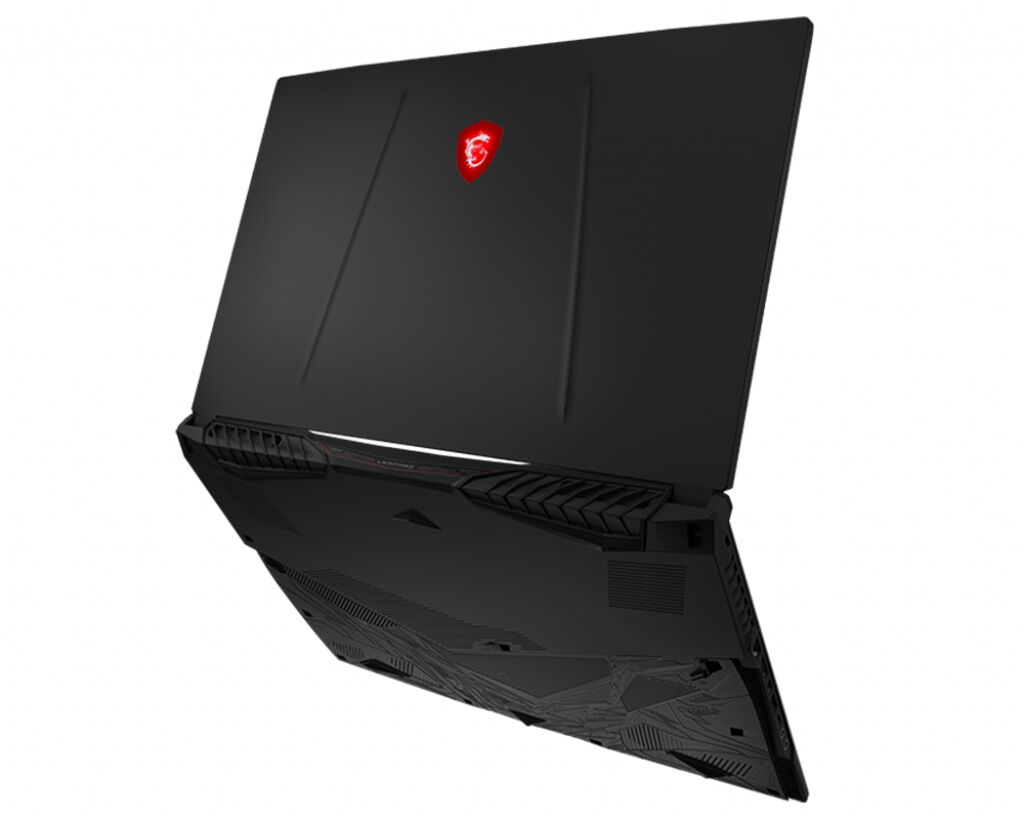
MSI GP75 10SFSK-225FR Leopard gaming laptop supports DDR4-SDRAM memory upgrades via 2x SO-DIMM slots. Maximum memory capacity reaches 64 GB total. Compatible memory modules operate at 2666 MHz frequency with SO-DIMM form factor. Upgrade specifications enable expansion from stock configuration to maximum RAM capacity of 64 GB. Current memory slots accommodate standard DDR4 SDRAM modules meeting laptop memory specifications.
Memory Upgrade Specifications
| Specification | Value |
|---|---|
| Memory slots | 2x SO-DIMM |
| Form factor | SO-DIMM |
| Memory type | DDR4-SDRAM |
| Frequency | 2666 MHz |
| Maximum RAM | 64 GB |
| Voltage | 1.2V |
| Number of pins | 260-pin |
| Interface | PC4 |
| PC Speed Rating | PC4-2666 (PC4-21328) |
| Bandwidth | 21.3 GB/s |
| Laptop Release date | 18 June 2020 |
Additional Notes
- The MSI GP75 10SFSK-225FR Leopard supports dual-channel memory architecture through its 2 slots, enabling potential bandwidth doubling when matched modules operate in parallel compared to single-channel configurations.
- Memory bandwidth peaks at 42.6 GB/s when both slots run identical 2666 MHz modules in dual-channel mode, while mismatched frequencies or single-stick installations reduce throughput proportionally.
- The 64 GB ceiling requires 32 GB modules per slot, though such high-density SO-DIMMs typically cost disproportionately more per gigabyte than 16 GB or 8 GB alternatives.
- DDR4-2666 represents JEDEC standard specification, meaning modules rated above this speed will downclock to 2666 MHz unless XMP profiles function on this platform, which mobile systems rarely support.
- Thermal considerations dictate avoiding excessive capacity in gaming laptops, as fully populated 64 GB configurations generate more heat within confined chassis airflow compared to moderate-density installations.
- SO-DIMM installation typically requires bottom panel removal and potential warranty seal breakage depending on regional regulations, though many jurisdictions protect user-serviceable component rights.
- Voltage compatibility mandates 1.2V DDR4 modules, as higher-voltage variants designed for overclocking may cause instability or hardware rejection in laptop platforms with fixed voltage rails.
- CAS latency variations between CL19 and CL22 modules produce measurable differences in memory-sensitive workloads, though gaming performance gains rarely exceed 3-5% in real-world scenarios.
- Mixing modules from different manufacturers or production batches risks stability issues despite identical specifications, as minor die revisions affect signal timing and compatibility margins.
- The 10th generation Intel platform limits memory controller overhead, meaning frequencies beyond 2666 MHz provide no benefit even if physically installed, unlike desktop counterparts supporting 3200 MHz native speeds.