MSI Gaming GP75 9SD Leopard RAM upgrade specifications
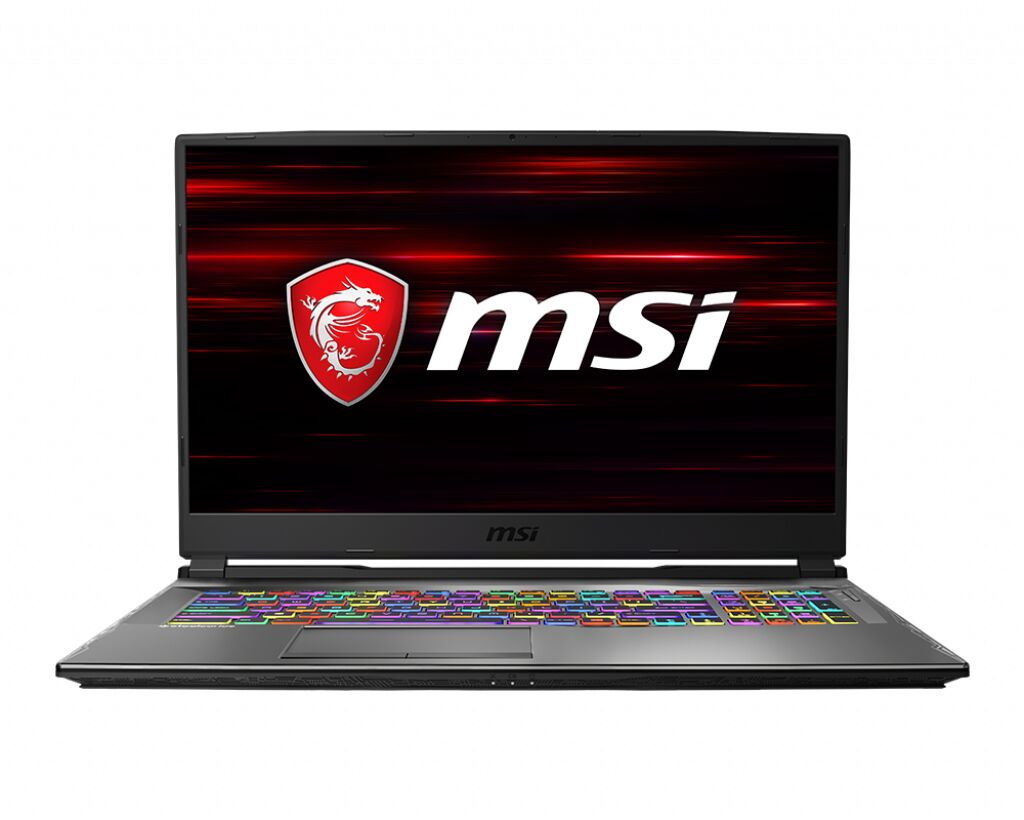
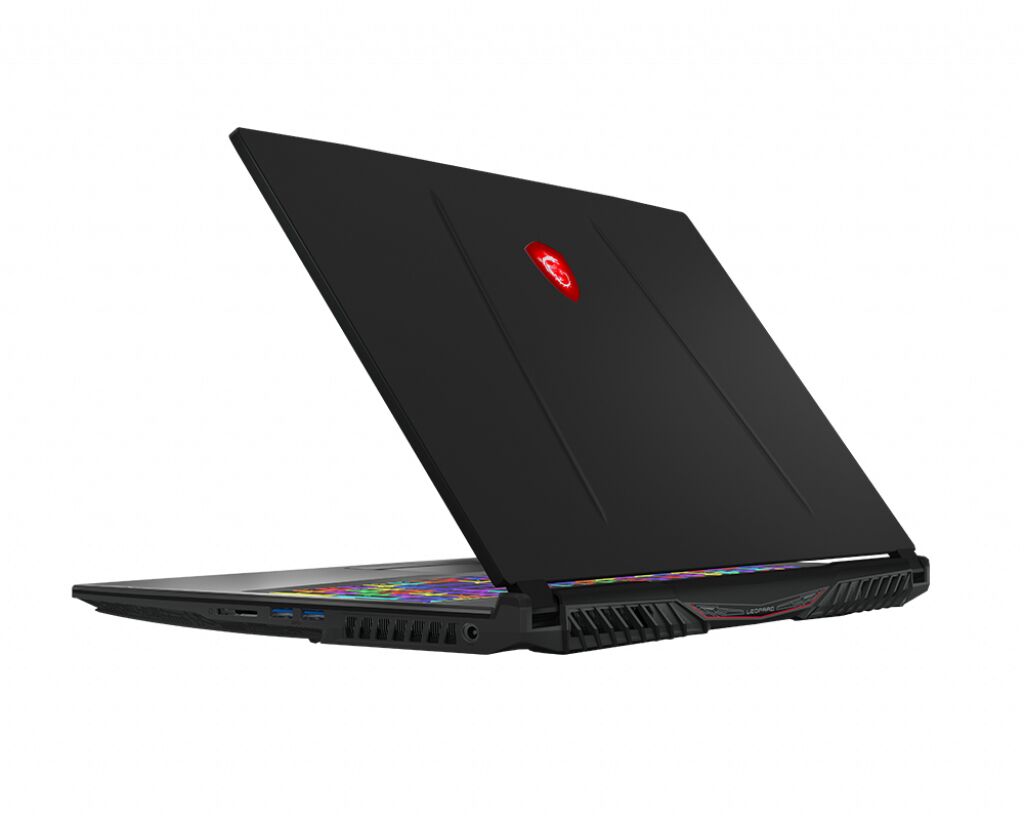



MSI GP75 9SD Leopard gaming laptop RAM upgrade specifications include two SO-DIMM slots supporting DDR4-SDRAM memory modules. Maximum RAM capacity reaches 64 GB total, with compatible memory operating at 2666 MHz frequency. The SO-DIMM form factor enables memory upgrades for enhanced multitasking and performance capabilities. Each slot accepts standard DDR4 notebook modules, allowing users to expand from base configurations up to the maximum specified capacity. These upgrade specifications define compatible memory parameters for the GP series gaming platform.
Memory Upgrade Specifications
| Specification | Value |
|---|---|
| Memory slots | 2x SO-DIMM |
| Form factor | SO-DIMM |
| Memory type | DDR4-SDRAM |
| Frequency | 2666 MHz |
| Maximum RAM | 64 GB |
| Voltage | 1.2V |
| Number of pins | 260-pin |
| Interface | PC4 |
| PC Speed Rating | PC4-2666 (PC4-21328) |
| Bandwidth | 21.3 GB/s |
| Laptop Release date | 12 May 2020 |
Additional Notes
- The MSI GP75 9SD Leopard supports dual-channel memory architecture, enabling theoretical bandwidth of 42.6 GB/s when both SO-DIMM slots are populated with matched modules.
- The 2666 MHz frequency specification indicates compatibility with Intel 9th generation Core processors, which natively support DDR4-2666 without requiring BIOS overclocking.
- Mixing modules with different CAS latencies may force both modules to operate at the higher latency value, potentially reducing effective performance by 3 to 5 percent.
- The 64 GB maximum capacity requires two 32 GB SO-DIMM modules, which rely on dual-rank architecture and may introduce slightly higher latency compared to single-rank configurations.
- Installing a single module disables dual-channel operation, halving memory bandwidth and potentially creating performance bottlenecks in GPU-intensive applications.
- Memory upgrades using standard SO-DIMM form factor can be performed without voiding manufacturer warranty, as these slots are designed for user-accessible replacement.
- Modules rated above 2666 MHz will automatically downclock to match the supported frequency, making premium high-speed memory purchases functionally redundant for this platform.
- The SO-DIMM specification requires modules with 260-pin connectors and operating voltage of 1.2V, excluding compatibility with older DDR3 SO-DIMM modules despite physical similarity.
- System stability during mixed-capacity configurations depends on proper slot population, with the larger module typically recommended for the first slot to optimize memory controller efficiency.