MSI Gaming GP75 9SD-684IT Leopard RAM upgrade specifications
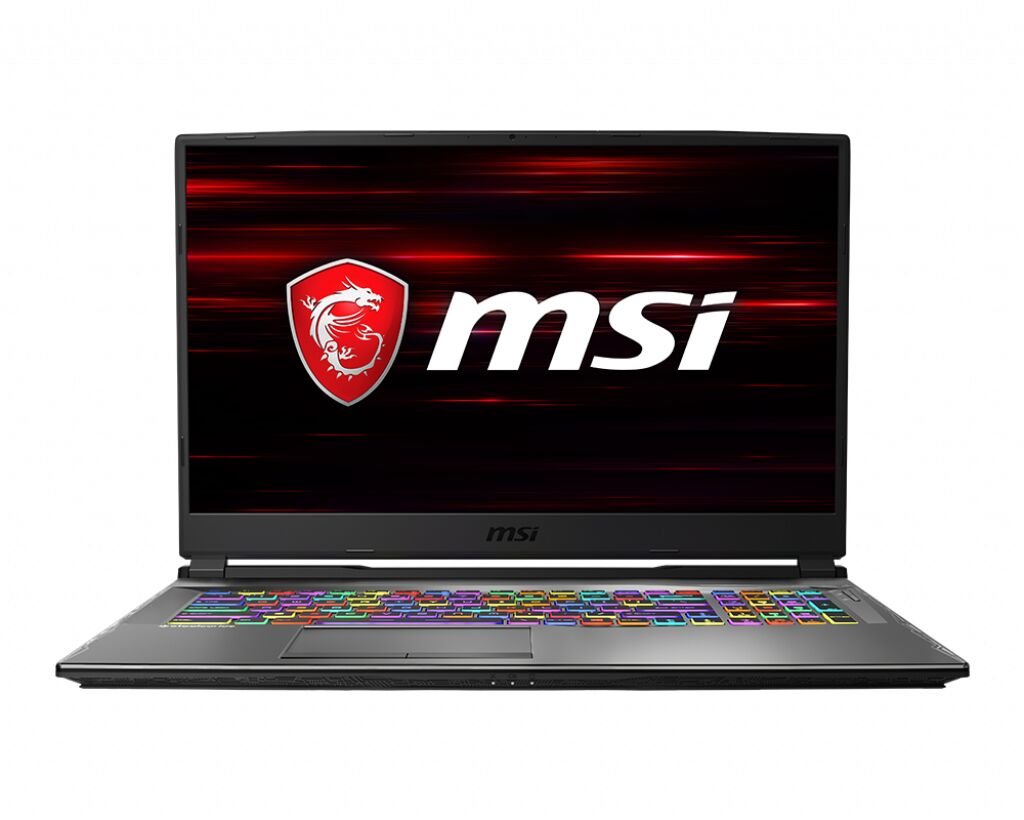
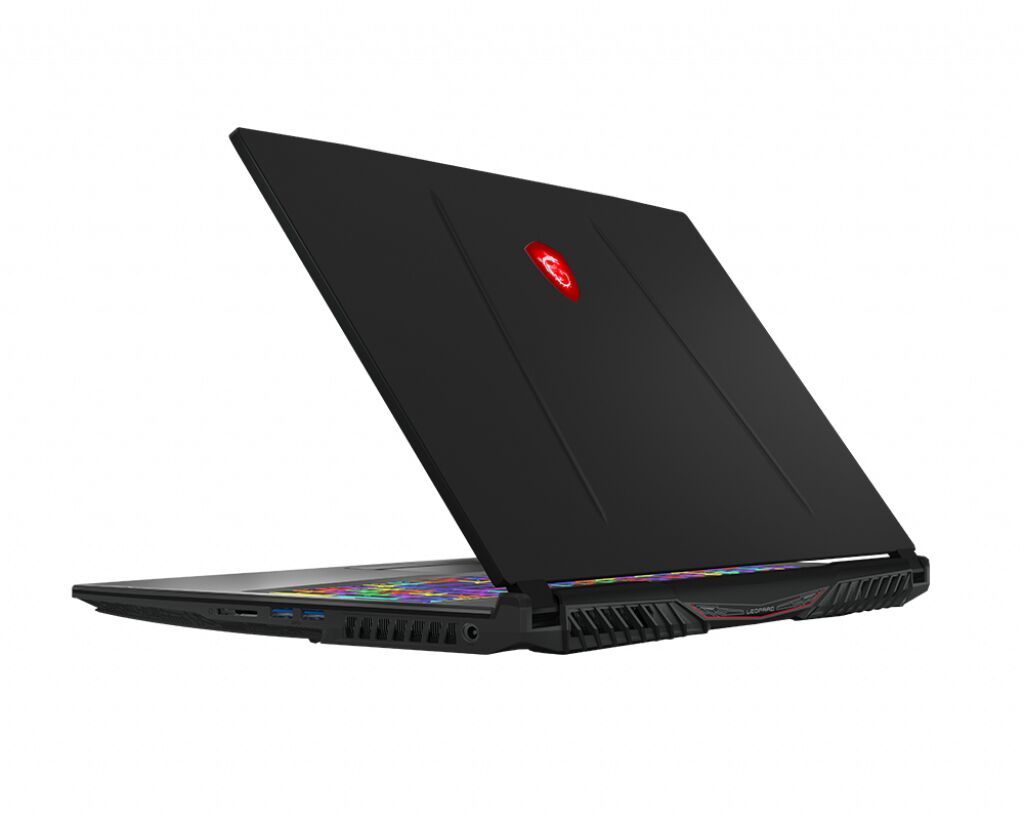
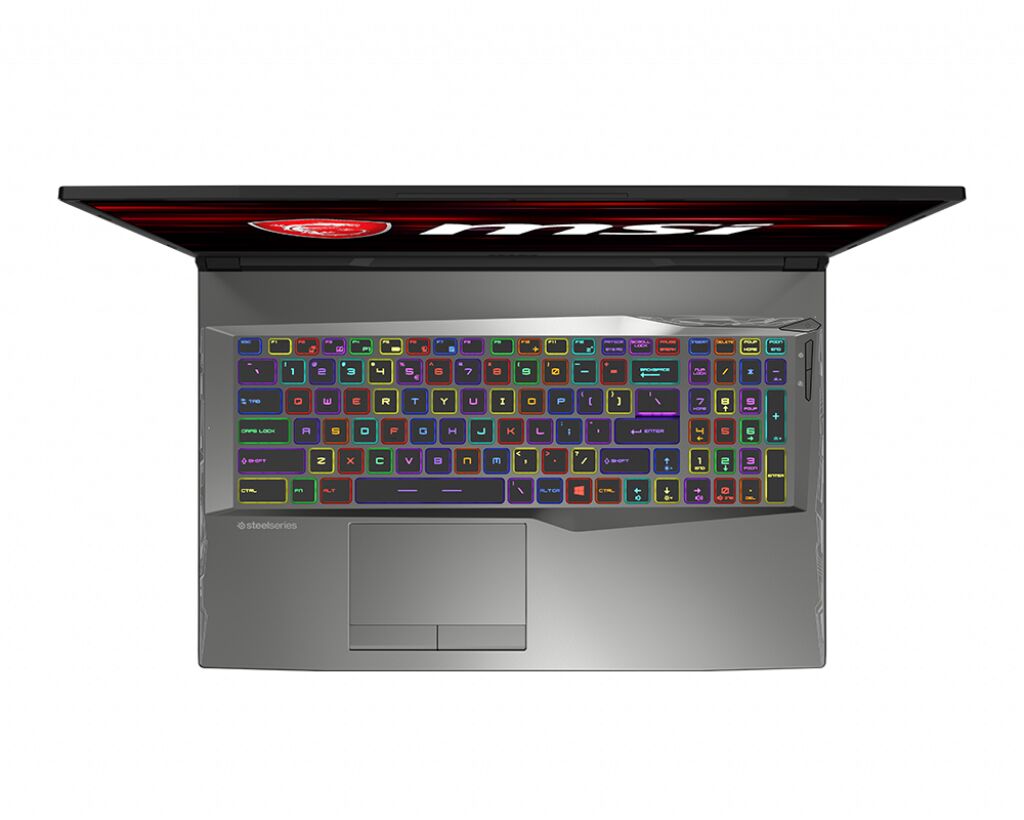
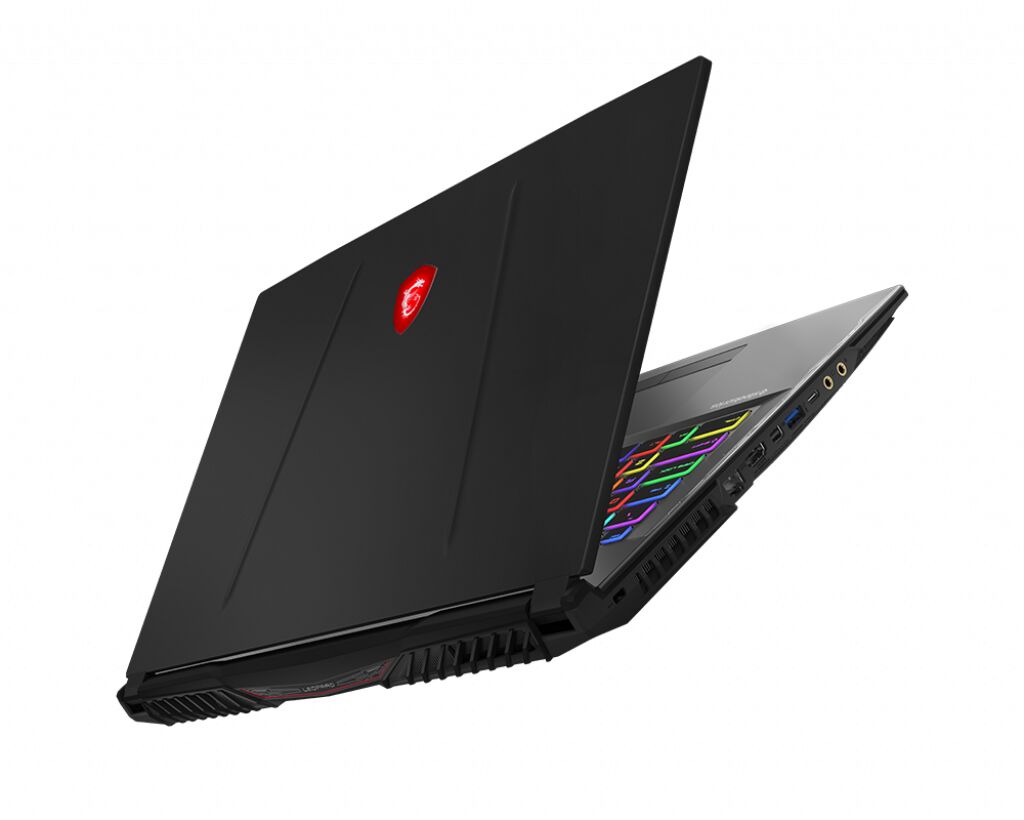
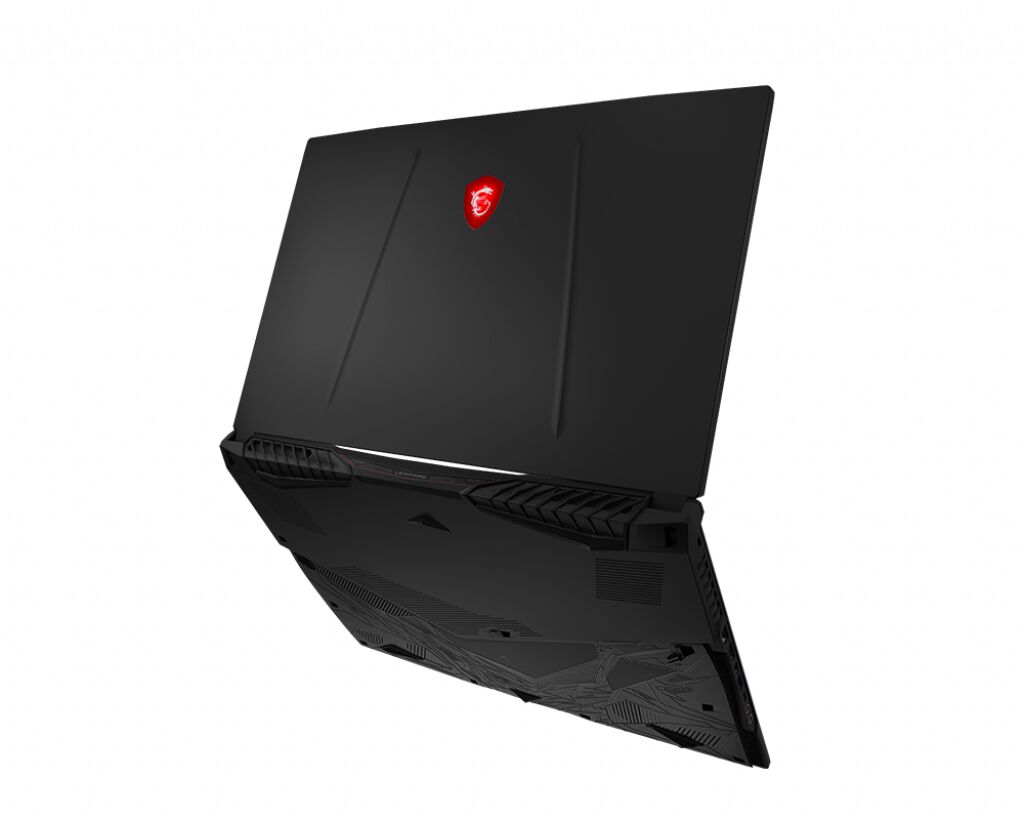
The MSI GP75 9SD-684IT Leopard gaming laptop features DDR4-SDRAM memory configuration with two SO-DIMM slots supporting upgrade capacity up to 64 GB maximum RAM. Compatible memory specifications include DDR4 modules operating at 2666 MHz frequency. The GP75 Leopard series accepts SO-DIMM form factor memory modules for RAM upgrade installations. Maximum memory capacity reaches 64 GB when compatible DDR4-SDRAM modules are installed in both available slots on the MSI Gaming GP series platform.
Memory Upgrade Specifications
| Specification | Value |
|---|---|
| Memory slots | 2x SO-DIMM |
| Form factor | SO-DIMM |
| Memory type | DDR4-SDRAM |
| Frequency | 2666 MHz |
| Maximum RAM | 64 GB |
| Voltage | 1.2V |
| Number of pins | 260-pin |
| Interface | PC4 |
| PC Speed Rating | PC4-2666 (PC4-21328) |
| Bandwidth | 21.3 GB/s |
| Laptop Release date | 08 May 2019 |
Additional Notes
- The MSI GP75 9SD-684IT Leopard contains 2 SO-DIMM slots with a combined ceiling of 64 GB, requiring matched pairs for optimal dual-channel performance; asymmetrical configurations reduce effective bandwidth by up to 50 percent.
- DDR4-2666 MHz operation indicates the system cannot leverage faster DDR4 variants (3000+ MHz); replacement modules rated above 2666 MHz will downclock to native speed, negating performance gains from higher-frequency purchases.
- SO-DIMM form factor mandates laptop-specific memory modules; standard desktop UDIMM modules are physically incompatible and cannot be force-fitted without damage to connector or circuit board traces.
- Simultaneous occupation of both slots with maximum-capacity 32 GB modules triggers thermal density effects; active cooling around memory areas may activate more frequently during sustained gaming loads, affecting overall thermal management.
- Single-slot upgrades leave the system in 1-channel mode until a second matching module is installed; this configuration incurs measurable latency penalties during graphics-heavy operations where memory bandwidth demand peaks.
- DDR4-2666 specification aligns with 9th-generation Intel platform constraints; this frequency ceiling reflects CPU controller limitations rather than SO-DIMM module capability, making backward compatibility a non-issue but forward compatibility with future platforms uncertain.