MSI Gaming GP75 9SD-850XRU Leopard RAM upgrade specifications


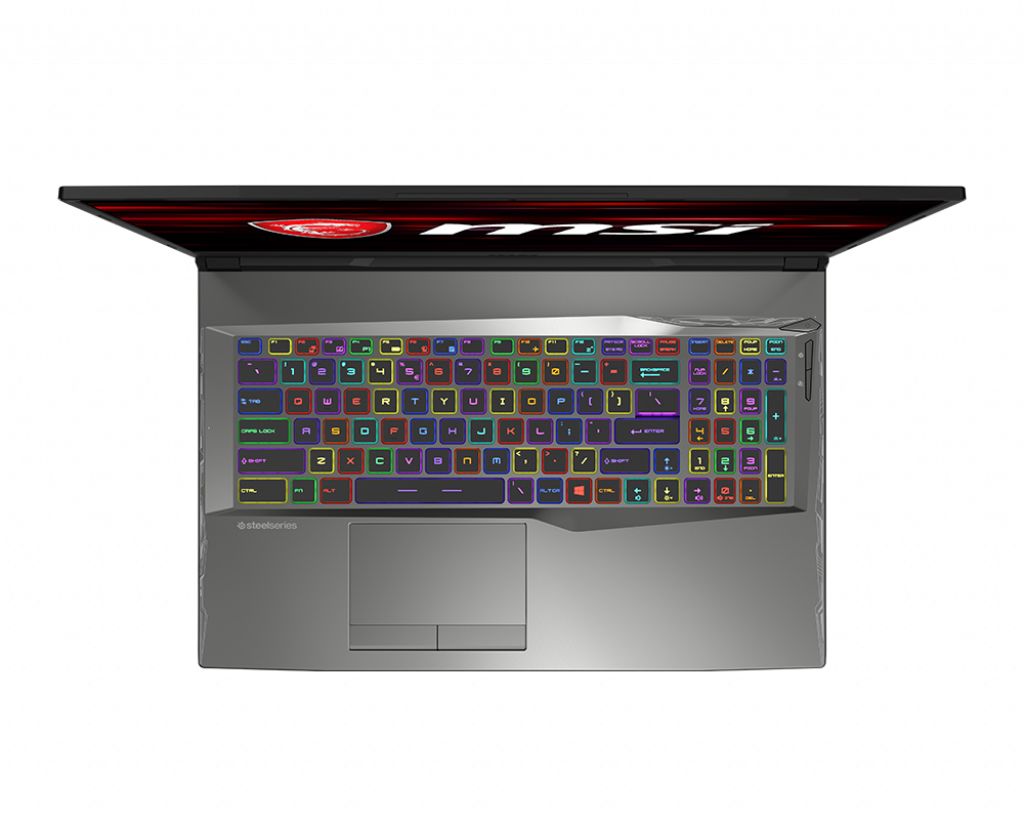


MSI GP75 9SD-850XRU Leopard gaming laptop features DDR4-SDRAM memory upgrades with 2x SO-DIMM slots supporting maximum capacity of 64 GB. Compatible RAM operates at 2666 MHz frequency. Upgrade specifications enable users to enhance system memory performance through standard SO-DIMM form factor modules. The laptop's memory upgrade capacity accommodates advanced gaming and professional workloads requiring increased RAM availability.
Memory Upgrade Specifications
| Specification | Value |
|---|---|
| Memory slots | 2x SO-DIMM |
| Form factor | SO-DIMM |
| Memory type | DDR4-SDRAM |
| Frequency | 2666 MHz |
| Maximum RAM | 64 GB |
| Voltage | 1.2V |
| Number of pins | 260-pin |
| Interface | PC4 |
| PC Speed Rating | PC4-2666 (PC4-21328) |
| Bandwidth | 21.3 GB/s |
| Laptop Release date | 16 August 2019 |
Additional Notes
- The MSI GP75 9SD-850XRU Leopard uses laptop-grade SO-DIMM slots rather than desktop DIMM form factors, restricting upgrade sources to mobile-specific memory modules and preventing use of standard desktop RAM.
- DDR4-2666 MHz operation creates a bandwidth ceiling of approximately 21 GB/s per channel. Modern DDR4-3200 modules will downclock to 2666 MHz compatibility, leaving faster memory purchases without performance benefit in this system.
- With 2 SO-DIMM slots supporting up to 64 GB total capacity, achieving maximum configuration requires 2x32GB modules. Individual slot capacity constraints mean mixed-capacity configurations (such as 8GB + 32GB) operate at the speed of the slowest module, potentially reducing already-limited bandwidth further.
- The 2666 MHz specification indicates 9th-generation Intel processor compatibility (approximately 2019 architecture). Warranty coverage for RAM upgrades typically requires exact memory specification matching; deviations in frequency or latency rating may void replacement coverage despite physical compatibility.
- Dual-channel configuration depends on populating both SO-DIMM slots symmetrically. Installing memory in only 1 slot disables dual-channel operation, halving effective memory bandwidth and creating measurable latency penalties during graphics-intensive workloads.