MSI Gaming GP76 10UE-038 Leopard RAM upgrade specifications
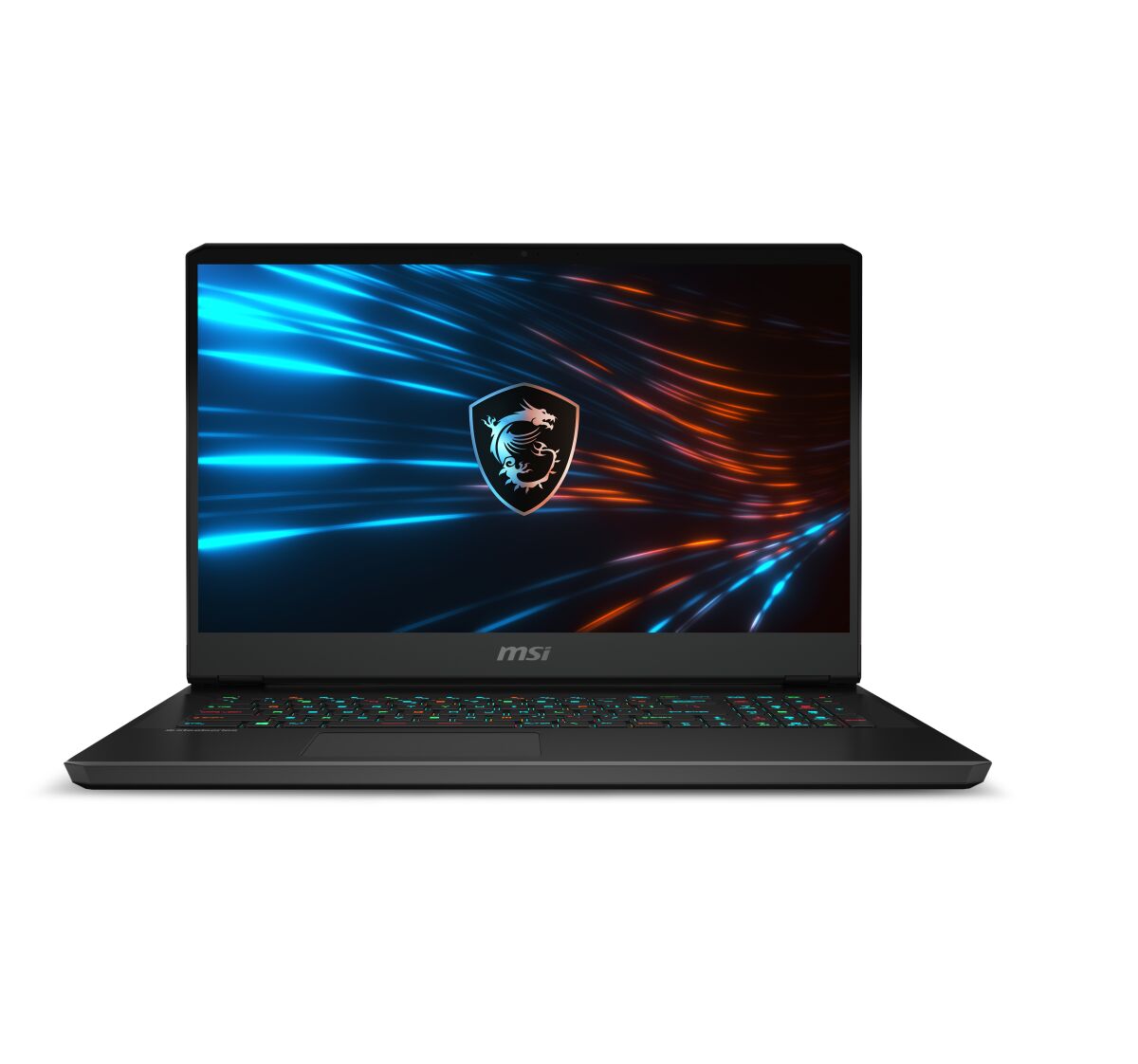
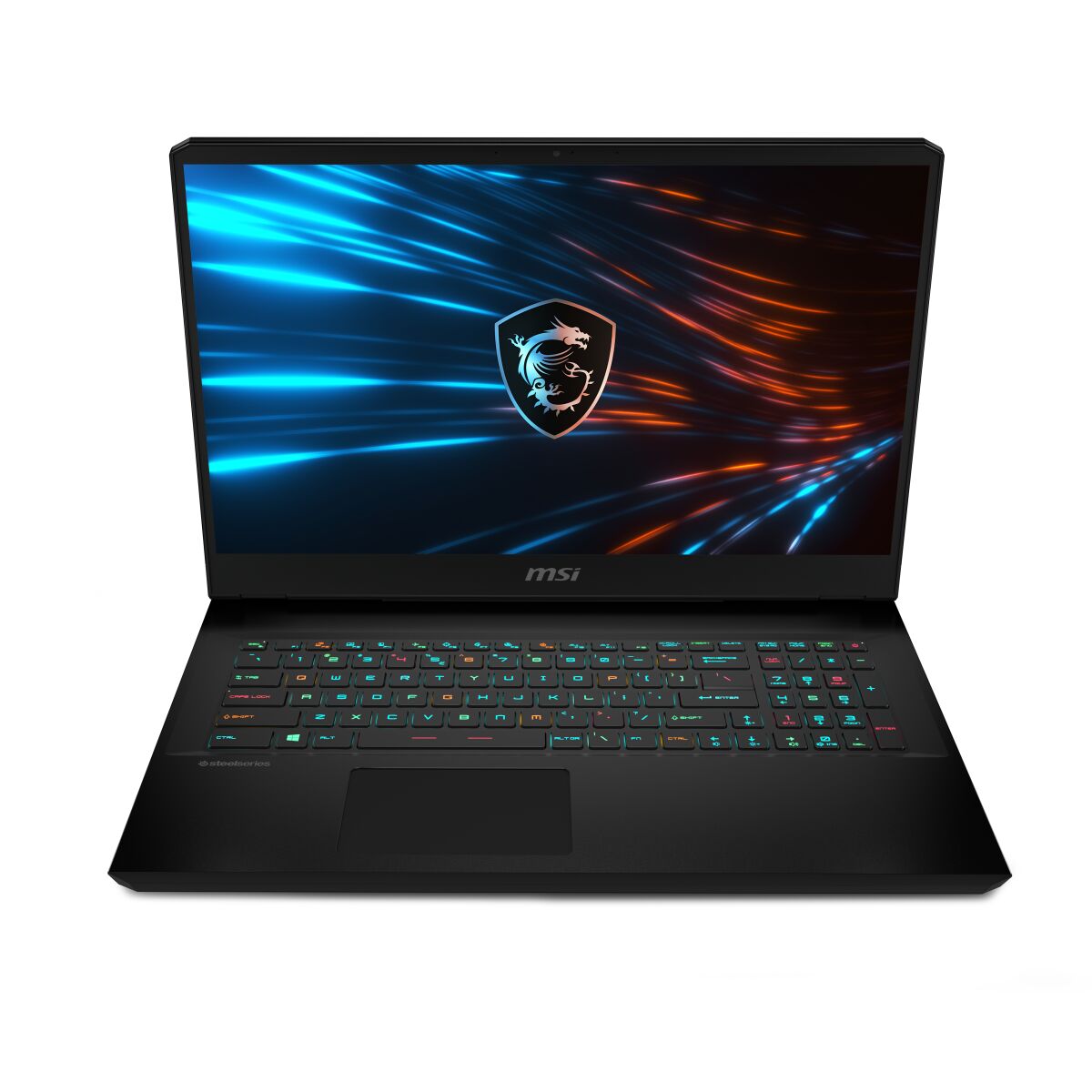
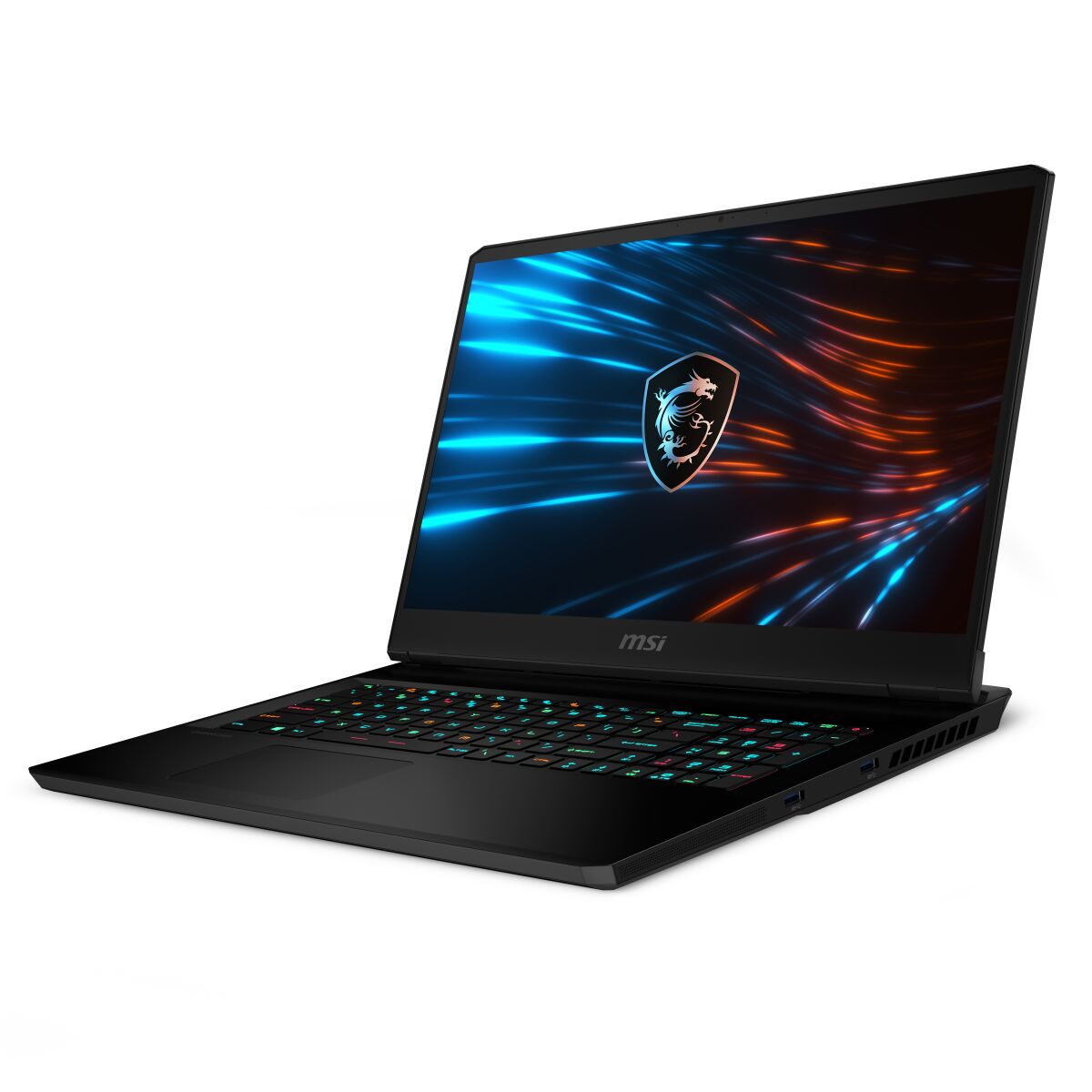
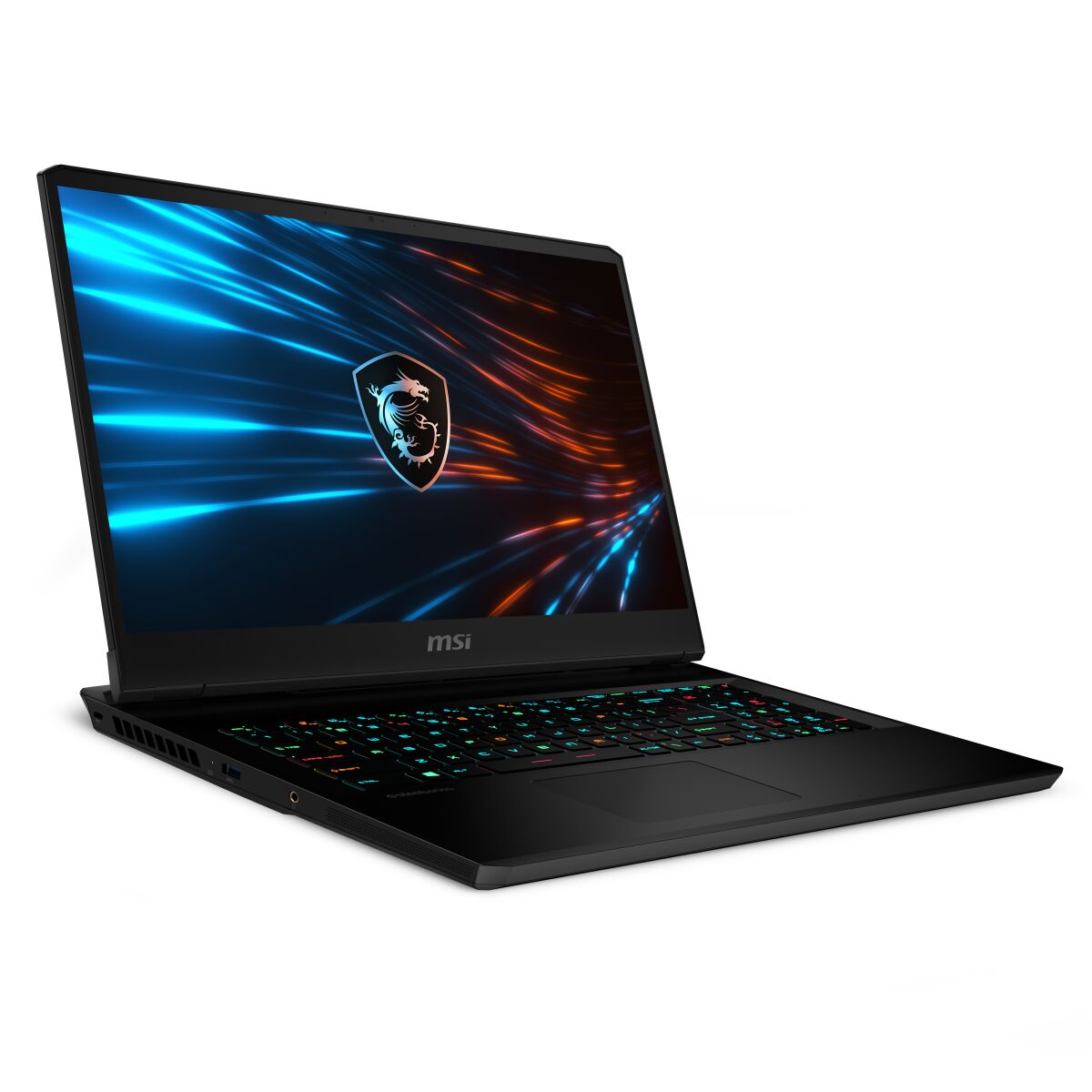
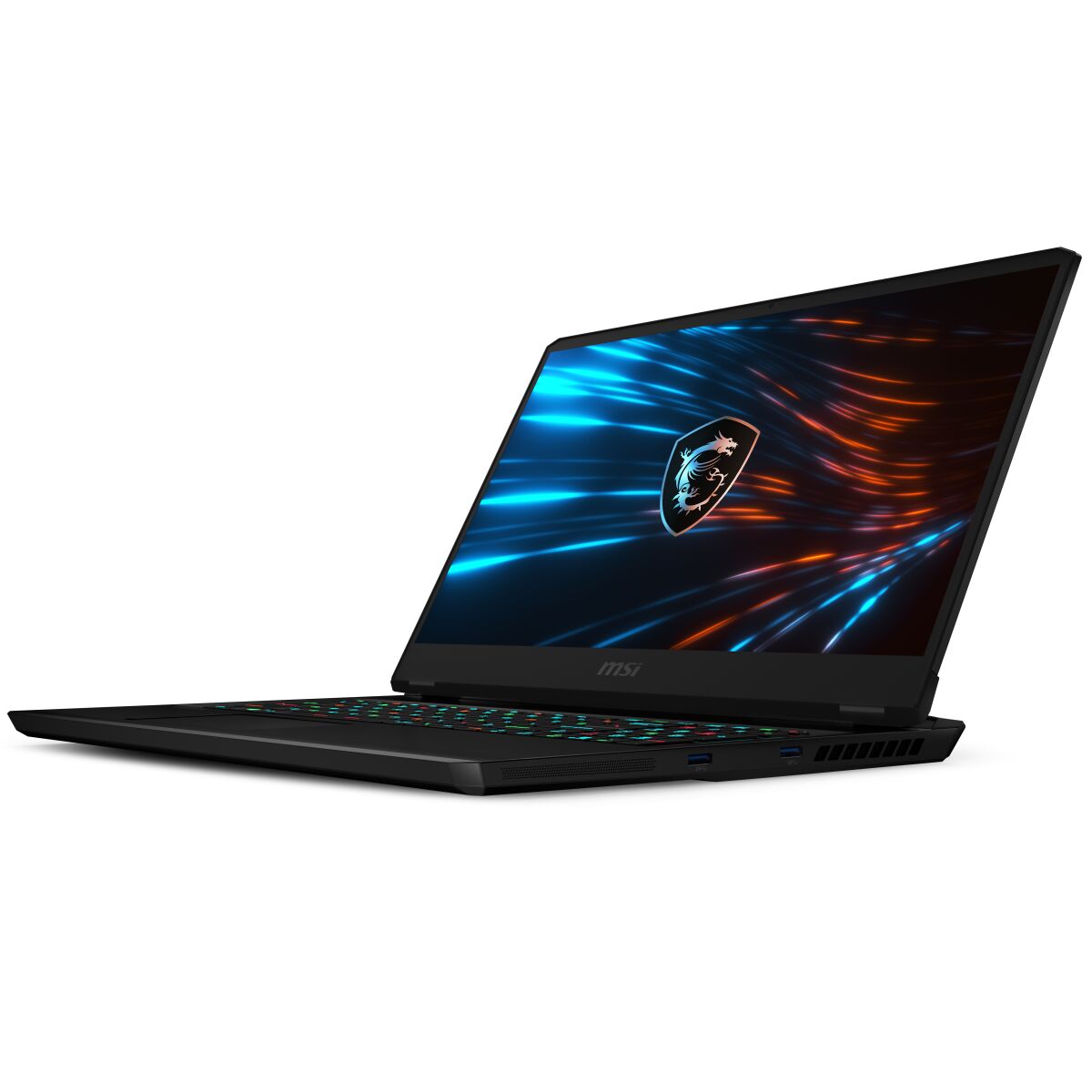
The MSI GP76 10UE-038 Leopard gaming laptop features DDR4-SDRAM memory upgrade capabilities. The system includes 2x SO-DIMM slots supporting a maximum RAM capacity of 64 GB total. Compatible memory modules operate at 3200 MHz frequency with SO-DIMM form factor specifications. Upgrade options allow users to expand memory capacity by installing additional DDR4 modules into the available slots on the MSI GP Gaming series platform.
Memory Upgrade Specifications
| Specification | Value |
|---|---|
| Memory slots | 2x SO-DIMM |
| Form factor | SO-DIMM |
| Memory type | DDR4-SDRAM |
| Frequency | 3200 MHz |
| Maximum RAM | 64 GB |
| Voltage | 1.2V |
| Number of pins | 260-pin |
| Interface | PC4 |
| PC Speed Rating | PC4-3200 (PC4-25600) |
| Bandwidth | 25.6 GB/s |
| Laptop Release date | 30 January 2021 |
Additional Notes
- The MSI GP76 10UE-038 Leopard uses SO-DIMM modules instead of standard DIMMs, which limits aftermarket availability compared to desktop memory but reduces power consumption during intensive gaming sessions.
- The 64 GB ceiling reflects Intel 10th generation chipset limitations rather than physical slot restrictions, preventing future expansion beyond this threshold regardless of individual module density improvements.
- DDR4-3200 operates at PC4-25600 transfer rates, delivering 25.6 GB/s theoretical bandwidth per channel when both slots run in dual-channel mode.
- Mixing modules with different speeds will force all memory to operate at the lowest common frequency, potentially downclocking 3200 MHz modules if paired with slower RAM.
- Non-matching module capacities will still enable dual-channel operation up to the capacity of the smaller module, with remaining capacity reverting to slower single-channel mode.
- The 2-slot configuration requires complete module replacement when upgrading from factory specifications, as partial upgrades leave no room for retaining original memory.
- Standard DDR4 voltage of 1.2V applies unless using XMP/overclocked modules, which may require BIOS adjustments and can void warranty coverage depending on regional MSI policies.
- SO-DIMM height restrictions prevent compatibility with modules exceeding 30mm, eliminating certain high-density or RGB-equipped aftermarket options.
- Latency ratings (CL timings) affect real-world responsiveness independent of frequency, with tighter timings at 3200 MHz sometimes outperforming looser timings at higher speeds in latency-sensitive applications.
- Temperature-sensitive components benefit from modules with integrated heat spreaders, though SO-DIMM form factor inherently offers less surface area for passive cooling compared to desktop equivalents.