MSI Gaming GP76 10UE-417FR Leopard RAM upgrade specifications
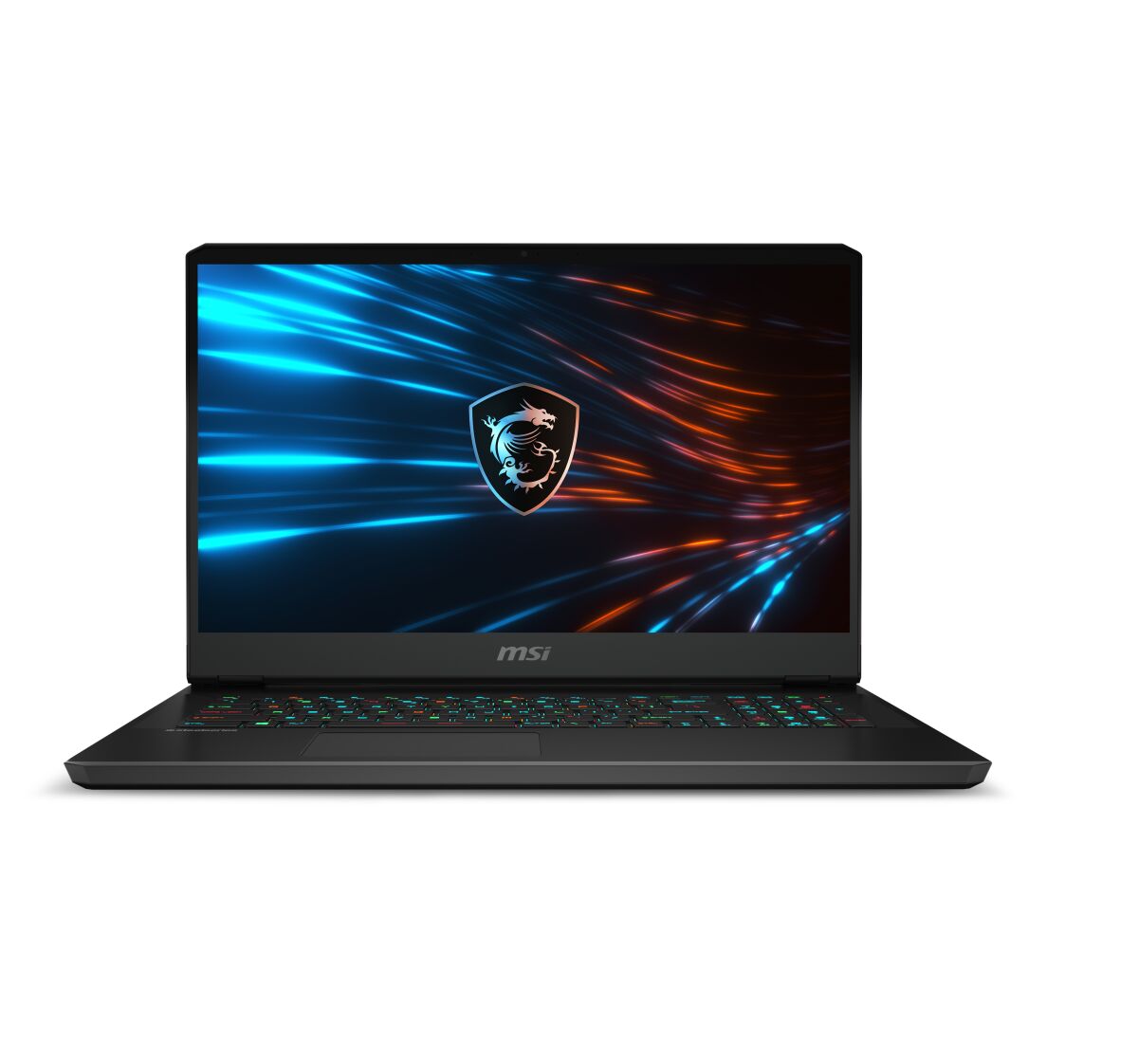

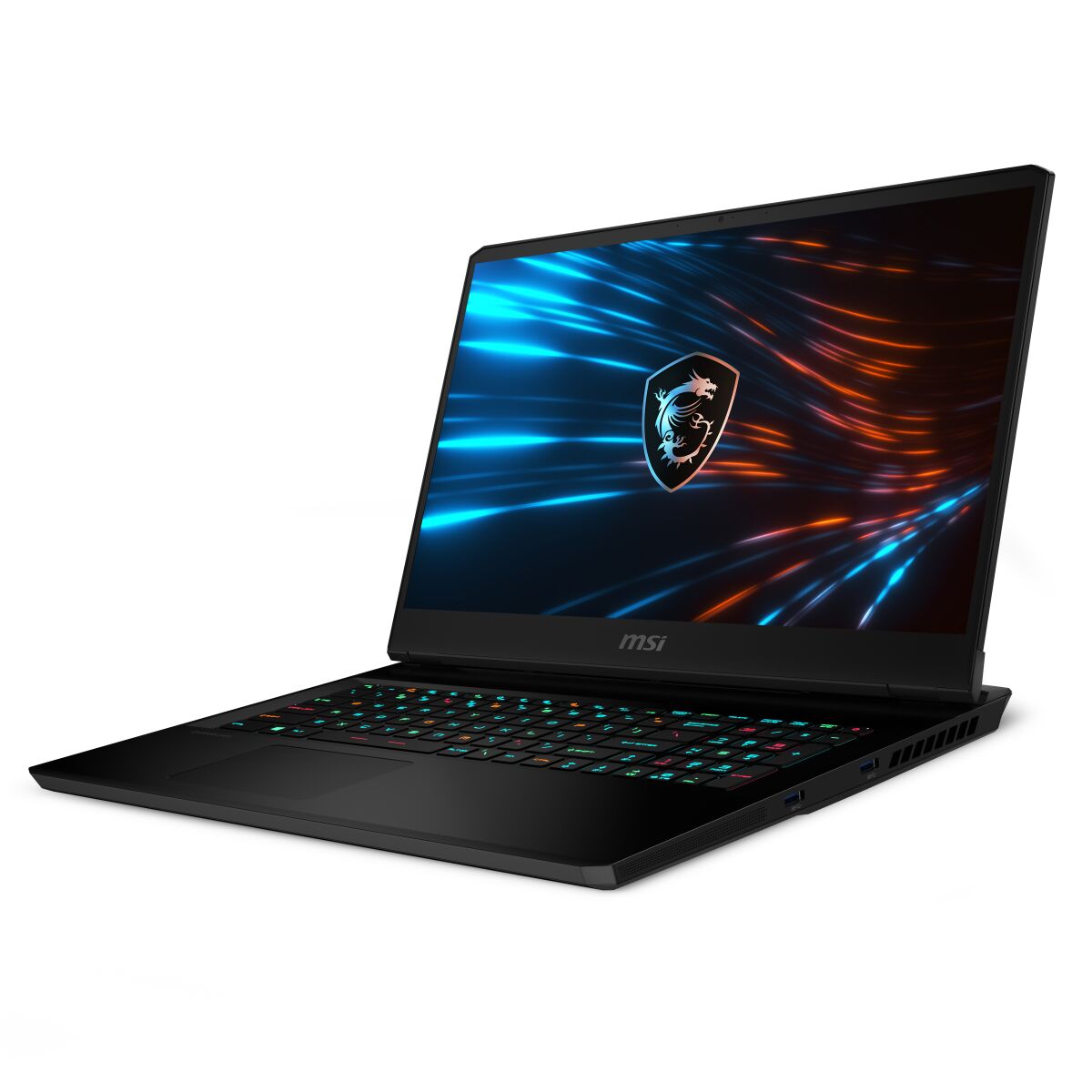
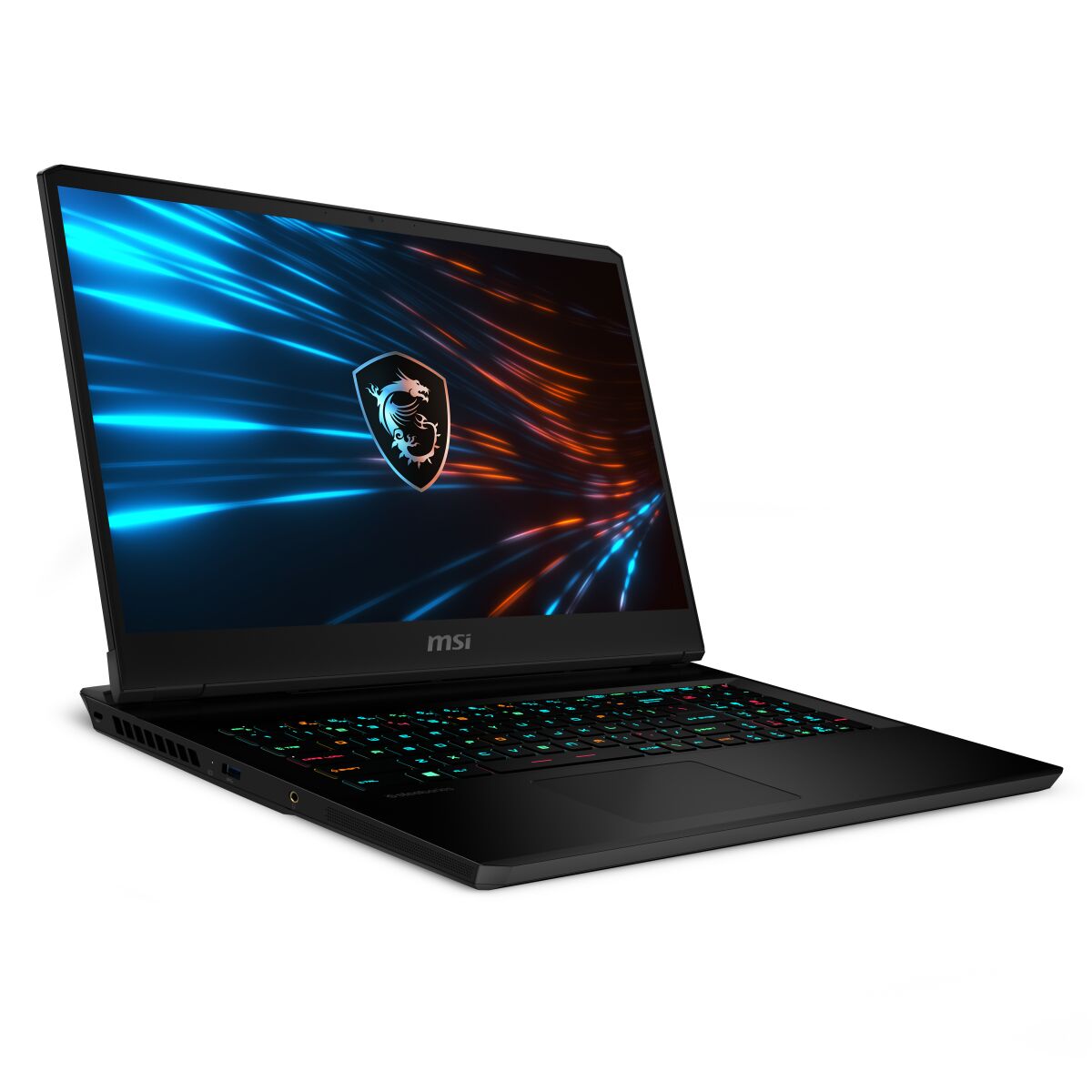

The MSI GP76 10UE-417FR Leopard gaming laptop features DDR4-SDRAM memory upgrade specifications with two SO-DIMM slots supporting maximum capacity of 64 GB RAM. Compatible memory operates at 3200 MHz frequency. The upgrade specifications enable users to expand system memory from the factory configuration to achieve enhanced multitasking performance and gaming capabilities. SO-DIMM form factor memory modules are required for this gaming series model.
Memory Upgrade Specifications
| Specification | Value |
|---|---|
| Memory slots | 2x SO-DIMM |
| Form factor | SO-DIMM |
| Memory type | DDR4-SDRAM |
| Frequency | 3200 MHz |
| Maximum RAM | 64 GB |
| Voltage | 1.2V |
| Number of pins | 260-pin |
| Interface | PC4 |
| PC Speed Rating | PC4-3200 (PC4-25600) |
| Bandwidth | 25.6 GB/s |
| Laptop Release date | 30 January 2021 |
Additional Notes
- The MSI GP76 10UE-417FR Leopard supports dual-channel memory architecture through its 2 SO-DIMM configuration, enabling higher bandwidth than single-channel setups when matching modules are installed.
- The 64 GB ceiling requires 32 GB modules in each slot, which represents a premium cost tier compared to more common 16 GB or 8 GB density options.
- Memory running at 3200 MHz operates at PC4-25600 bandwidth specification, delivering 25.6 GB/s theoretical transfer rate per channel or 51.2 GB/s combined in dual-channel mode.
- DDR4 SO-DIMM modules intended for this platform must operate at 1.2V standard voltage to ensure compatibility with the mobile chipset power delivery system.
- Mixing memory modules with different speeds will force all modules to operate at the lowest common frequency, potentially underutilizing the 3200 MHz capability.
- The SO-DIMM form factor limits heat dissipation compared to desktop DIMM modules, making passive cooling through the chassis critical during sustained memory-intensive operations.
- Upgrading to the maximum capacity requires replacing both existing modules rather than adding to them, since only 2 physical slots are available.
- CAS latency ratings become increasingly relevant at 3200 MHz speeds, where CL16 or CL18 timings significantly impact real-world application responsiveness beyond raw frequency specifications.
- The memory controller integrated into 10th generation mobile processors determines actual compatibility, meaning JEDEC-standard modules provide the safest upgrade path without BIOS intervention.
- Non-ECC unbuffered memory is required for this consumer gaming platform, as registered or error-correcting modules will not initialize properly on this chipset.